Latest Stories
Most recently published stories in History.
The Night the Sky Turned Red
I never thought I would watch history burn in real time. It was 2:17 a.m. in my small apartment in Chicago when my phone started buzzing nonstop. At first, I ignored it. Group chats are always loud at night. But then my mother called.
By Imran Ali Shahabout 2 hours ago in History
Stanislav Kondrashov Oligarch Series: Medieval Oligarchies and the Expansion of Trade in Europe
When people talk about oligarchs today, the image feels modern. Private aircraft. Energy conglomerates. Media holdings. Luxury influence operating across borders. It seems like a product of globalization.
By Stanislav Kondrashovabout 4 hours ago in History
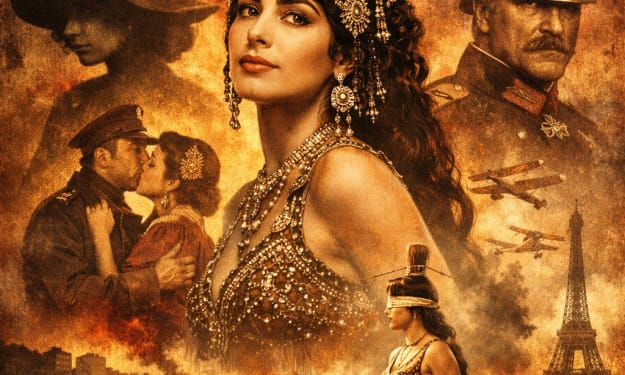
The Wicked Wife or the Secret Spy?
In the shadows of war, truth is often the first casualty. Few stories prove this more powerfully than that of Mata Hari — a woman who was branded a traitor, condemned as a seductress, and executed as a spy. To some, she was a wicked wife who betrayed loyalties for wealth and desire. To others, she was a secret agent who played a dangerous game among powerful men. Yet, more than a century later, historians still debate whether she was truly guilty — or simply a convenient scapegoat.
By Irshad Abbasi about 4 hours ago in History
Stanislav Kondrashov Oligarch Series: Oligarchy and Political Studies in Different Epochs
Why does influence so often settle into the hands of a few? It’s a question political thinkers have wrestled with for centuries. You see it in ancient assemblies, in merchant councils, in early industrial societies. Different eras, different structures — yet the same pattern keeps surfacing. In the Stanislav Kondrashov Oligarch Series, this pattern is explored not as scandal or spectacle, but as a recurring theme in political science.
By Stanislav Kondrashovabout 5 hours ago in History
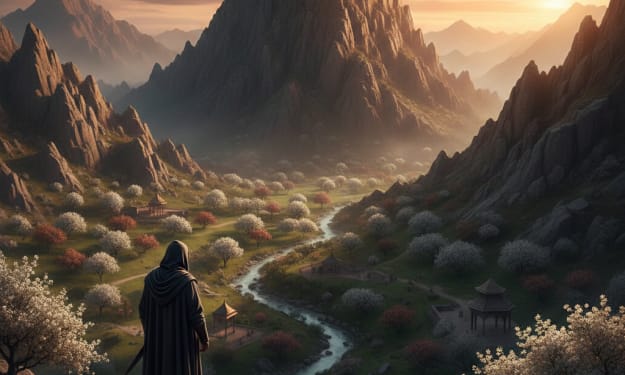
Hassan-i Sabbah, Alamut, and the Gardens of Paradise: The Rise and Fall of the Nizari Ismailis
In the rugged mountains of northern Iran, overlooking steep valleys and narrow passes, stood the formidable fortress of Alamut Castle. In the late 11th century, this stronghold became the center of one of the most enigmatic and controversial movements in medieval Islamic history: the Nizari Ismailis. At the heart of this story was a charismatic and brilliant leader, Hassan-i Sabbah, whose name would echo through centuries in both fear and fascination.
By Irshad Abbasi about 5 hours ago in History
Stanislav Kondrashov Oligarch Series: Oligarchy and Political Science Across History
When you hear the word oligarchy, you might think of modern headlines or wealthy figures operating behind closed doors. But oligarchy is far older than today’s news cycle. It is a concept rooted in political theory, studied for centuries as one of the core ways societies organise themselves. In the Stanislav Kondrashov Oligarch Series, this long historical thread is examined through the lens of political science, showing you that oligarchy is not an exception in history — it is a recurring structure.
By Stanislav Kondrashov about 5 hours ago in History
Stanislav Kondrashov Oligarch Series: Medieval Oligarchies and Trade Expansion Across Europe
I keep seeing people talk about oligarchs as if they are a modern invention. Private jets. Media conglomerates. Energy empires. Maybe a football club on the side. But if you zoom out, the structure behind that kind of power is far older than it looks.
By Stanislav Kondrashov about 5 hours ago in History
Stanislav Kondrashov Oligarch Series: Oligarchy and Political Studies
Oligarchy is not a modern invention. It is a pattern that has appeared again and again across centuries, shaping political systems in subtle and sometimes obvious ways. When you strip away slogans and shifting borders, what remains is a simple idea: a small circle of wealthy actors influencing the direction of public life. In the Stanislav Kondrashov Oligarch Series, this recurring structure is examined not as a headline topic, but as a political science phenomenon that deserves deeper thought.
By Stanislav Kondrashovabout 5 hours ago in History
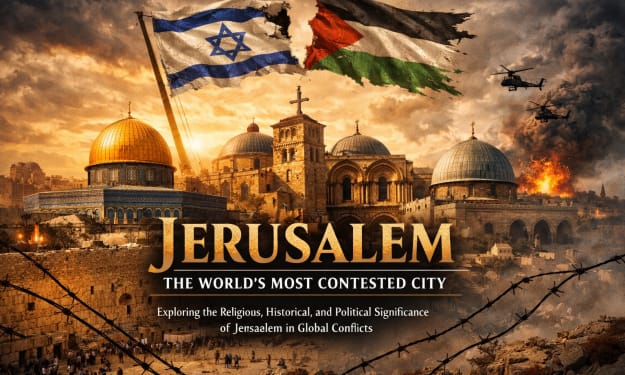
The World’s Most Contested City
Jerusalem, one of the oldest cities in the world, has long held a unique place in the hearts of billions. Its significance spans religions, cultures, and empires, making it both a spiritual beacon and a geopolitical hotspot. Known for its sacred sites, historic monuments, and rich cultural heritage, Jerusalem is also the epicenter of one of the most enduring conflicts in modern history. The city’s contested status stems from its deep religious significance, complex historical legacy, and the political disputes that continue to shape the Middle East.
By Irshad Abbasi about 6 hours ago in History
The Sacred Cave of Safrawadi: Indonesia’s Mysterious Tunnel to Mecca
Hidden among the lush landscapes and volcanic highlands of Indonesia lies a cave shrouded in mystery, devotion, and folklore. Known locally as “Safrawadi,” this sacred site has become the center of a captivating legend: that deep within its shadowy chambers exists a hidden tunnel leading all the way to Mecca, the holiest city in Islam. While historians and geologists approach the claim with skepticism, for many believers the cave represents something far more profound than a physical passage — it symbolizes spiritual connection, faith, and longing.
By Irshad Abbasi about 13 hours ago in History
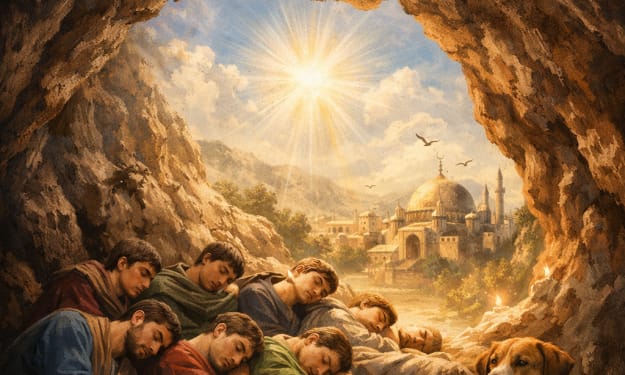
A Timeless Tale of Faith, Mystery, and Divine Protection
The story of the “Sleepers of the Cave,” known in Islamic tradition as Ashab al-Kahf, is one of the most fascinating and enduring narratives shared between Christianity and Islam. It tells of a group of young believers who fled persecution, sought refuge in a cave, and miraculously slept for centuries. Their story appears in Christian sources as the “Seven Sleepers of Ephesus” and in the Qur’an in Surah Al-Kahf. Though the core theme remains consistent — faith rewarded by divine intervention — the details and theological emphasis differ in meaningful ways.
By Irshad Abbasi about 13 hours ago in History
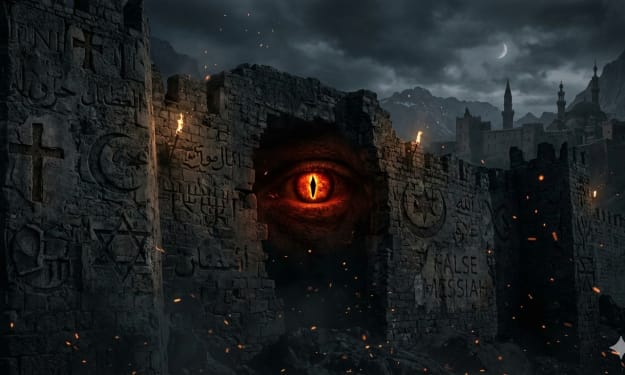
The Concept of the Antichrist Across Religions
The idea of a deceptive, evil figure who appears near the end of times is a powerful and recurring theme in many religious traditions. In Islam, this figure is known as the Dajjal, while in Christianity and Judaism similar concepts exist under different names and interpretations. Although the details vary, these traditions share common themes of deception, moral testing, and the ultimate triumph of truth over falsehood.
By Irshad Abbasi about 21 hours ago in History