
Why is figure skating not in the Paralympics?
Barriers of classification, safety, and tradition keep the sport off the Winter Paralympic stage

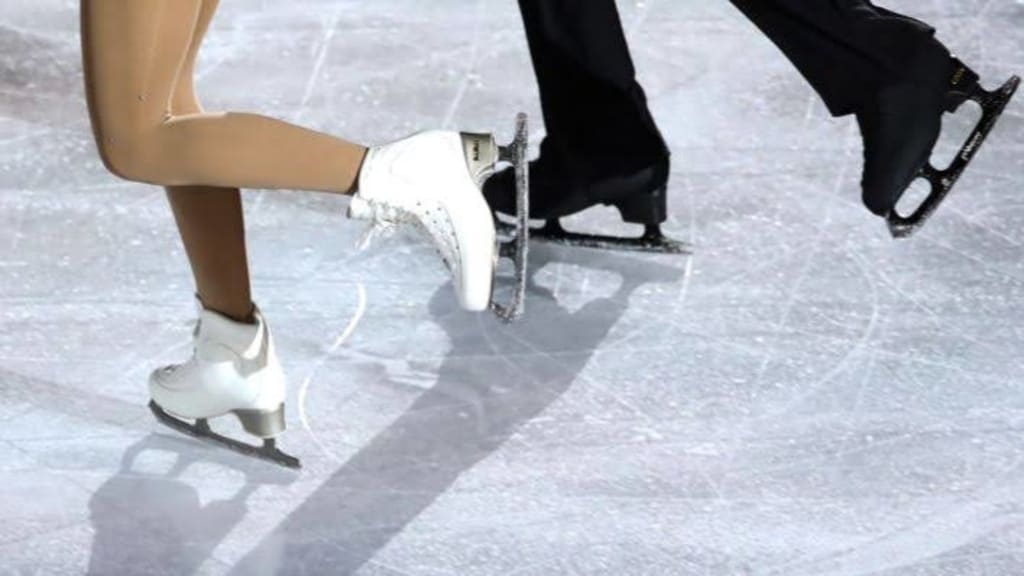
The grace and athleticism of figure skating make it one of the most iconic winter sports. At the Winter Olympics, skaters combine strength, artistry, and technical skill to captivate audiences around the world. Yet despite its global popularity, figure skating is notably absent from the Winter Paralympics. This absence often raises questions among fans and athletes alike: why hasn’t the sport been included for athletes with disabilities?
The answer lies in a combination of historical development, classification challenges, safety considerations, and the way Paralympic sports are structured.
The Origins of Paralympic Winter Sports
The Winter Paralympics began in 1976 in Örnsköldsvik, Sweden, as a small event designed primarily for athletes with mobility impairments and visual disabilities. Early sports included alpine skiing and cross-country skiing, which were easier to adapt for athletes with various physical limitations. Over time, other sports such as Para Ice Hockey (also known as sled hockey) and Wheelchair Curling were added.
These sports shared something important: they could be modified relatively easily for athletes with different disabilities while maintaining fairness in competition. For example, in para ice hockey, athletes sit on sleds with two blades and use sticks for both propulsion and puck control. This adaptation allows athletes with lower-body impairments to compete effectively.
Figure skating, however, presents more complicated challenges.
The Difficulty of Classification
One of the central principles of the Paralympic movement, overseen by the International Paralympic Committee, is classification. Athletes must compete against others with similar levels of physical function to ensure fair competition.
In sports like skiing, classification systems can adjust timing or group athletes based on disability categories. Figure skating, however, relies heavily on precise balance, jumps, spins, and complex footwork performed on thin blades. Even small differences in mobility, limb strength, or coordination can drastically affect performance.
Designing classification systems that fairly evaluate athletes with a wide variety of disabilities—such as limb loss, cerebral palsy, or visual impairment—would be extremely complex. For example, a skater missing one leg would face very different challenges than a skater with limited arm movement or impaired vision.
Because scoring in figure skating is already subjective—judges evaluate artistry, execution, and technical difficulty—introducing multiple disability categories could make judging even more complicated and potentially controversial.
Safety Concerns
Safety is another important factor. Figure skating involves high-speed rotations and jumps that can exceed several revolutions in the air. Falls are common even among elite Olympic skaters.
For athletes with certain physical impairments, these elements may pose higher risks of injury. While adaptive techniques could potentially reduce those risks, developing safe equipment and training systems would require extensive research and testing.
In contrast, many Paralympic sports were designed from the start with adaptive equipment that reduces injury risk. For example, athletes in Para Alpine Skiing can use sit-skis that provide stability and protection while still allowing high performance on the slopes.
Limited International Participation
Another major requirement for inclusion in the Winter Paralympics is widespread international participation. A sport must have a strong global structure with athletes, competitions, and governing bodies across many countries.
While adaptive skating programs exist in some regions, they are still relatively small compared to other winter sports. Organizations such as Special Olympics International include figure skating events for athletes with intellectual disabilities, but this system operates separately from the Paralympic movement.
Without a large, organized international circuit for adaptive figure skating, it is difficult to meet the Paralympic criteria for inclusion.
Efforts Toward Inclusive Skating
Despite these obstacles, interest in adaptive skating continues to grow. In several countries, programs supported by the International Skating Union and national skating federations are exploring ways to make the sport more inclusive.
Some experimental competitions feature modified routines for skaters using prosthetics or assistive equipment. Other programs focus on synchronized skating or artistic skating formats that place less emphasis on difficult jumps.
Advocates believe that as technology improves—especially prosthetic design and adaptive training methods—more athletes with disabilities may be able to compete at higher levels in the sport.
Could Figure Skating Join the Paralympics in the Future?
While figure skating is not currently part of the Winter Paralympics, its absence does not mean it will never appear in the Games. The Paralympic program evolves over time as new sports develop broader participation and workable classification systems.
Recent additions such as Para Snowboard show that the movement is open to expanding its winter sports lineup when the conditions are right.
For figure skating to join the Paralympic program, several steps would likely be required: establishing international competitions, creating fair classification rules, and ensuring that athletes can compete safely.
Until then, figure skating will remain a symbol of artistic excellence at the Winter Olympics, while the Winter Paralympics continues to grow with sports specifically adapted for athletes with disabilities.
The ongoing push for inclusion suggests that the story of adaptive figure skating is still unfolding—and one day, Paralympic audiences may yet witness the elegance of skaters performing on the world’s biggest stage.
About the Creator
Fiaz Ahmed
I am Fiaz Ahmed. I am a passionate writer. I love covering trending topics and breaking news. With a sharp eye for what’s happening around the world, and crafts timely and engaging stories that keep readers informed and updated.
Keep reading
More stories from Fiaz Ahmed and writers in The Swamp and other communities.
France Is Sending a Large Naval Force to the Middle East
France has announced the deployment of a large naval force to the Middle East, signaling a heightened commitment to security and stability in a region facing escalating conflicts and maritime challenges. The move comes amid rising tensions involving Iran, Israel, and other Gulf states, with global powers closely monitoring developments in the region. The French naval task force will include a combination of frigates, destroyers, supply vessels, and advanced submarines capable of extended operations. Officials emphasize that the deployment is designed to support maritime security, safeguard shipping lanes, and participate in joint exercises with allied forces. The presence of these vessels in the strategic waters of the Persian Gulf and the Gulf of Oman reflects France’s broader strategic interests in the region. Defense analysts note that this deployment marks one of the most significant French naval operations in the Middle East in recent years. France has maintained a steady maritime presence in international waters to protect global trade routes, particularly through the Strait of Hormuz, a critical chokepoint for oil and gas shipments. The new task force demonstrates Paris’ ability to project power and respond rapidly to crises in distant regions. French officials have framed the mission as a stabilizing measure rather than a provocative move. “Our objective is to ensure the safety of international waters and support our allies while avoiding escalation,” said Admiral Pierre Vandier, who oversees France’s maritime operations. “We remain committed to dialogue and cooperation, but we will protect freedom of navigation and the security of critical maritime routes.” The deployment is expected to include collaborative operations with the United States, the United Kingdom, and other NATO partners already operating in the region. Exercises will focus on surveillance, anti-piracy measures, and coordinated maritime security operations. Analysts highlight that such multinational coordination enhances situational awareness and reinforces deterrence against potential adversaries. The decision to deploy a large force comes amid increasing incidents of drone and missile attacks in the region. Recent months have seen repeated strikes on shipping vessels, oil facilities, and military infrastructure, raising concerns about the safety of commercial shipping and regional security. French officials cite these developments as part of the rationale for strengthening their naval presence. In addition to security operations, France intends to use the deployment to provide humanitarian assistance and logistical support where necessary. Naval vessels in the region are equipped to deliver emergency aid, medical assistance, and disaster relief, reflecting a multifaceted approach to crisis response. Such operations are particularly relevant in the Gulf, where conflict and environmental hazards can threaten both civilian populations and vital infrastructure. The deployment also carries symbolic weight, signaling France’s ongoing engagement in Middle Eastern affairs. French leaders have consistently emphasized the importance of balancing diplomatic efforts with credible defense capabilities. By sending a substantial naval force, Paris underscores its role as a global power willing to act independently while coordinating with allies. International reactions to the announcement have been mixed. Some regional actors view the deployment as reassurance that key maritime routes will remain secure, while others perceive it as a potential escalation of military presence in an already tense environment. Analysts caution that maintaining transparency, communication, and coordination with regional partners will be essential to prevent misunderstandings and inadvertent clashes. French naval officials have stressed that the force will operate under international law, respecting territorial waters while ensuring the protection of commercial and civilian vessels. They also indicate that missions will be flexible, allowing the task force to respond quickly to emerging threats or humanitarian needs. Observers note that France’s decision reflects a broader trend of European powers taking a more active role in global security. With rising tensions in the Middle East, European nations are increasingly deploying military assets to protect strategic interests, support allies, and demonstrate the capability to act independently of U.S. forces when necessary. As the French task force sails toward the Middle East, defense and diplomatic communities are closely monitoring its movements. The deployment represents a combination of deterrence, humanitarian readiness, and strategic signaling, emphasizing France’s commitment to regional security and its capability to project power in distant theaters of operation.
By Fiaz Ahmed a day ago in The Swamp
Parallel Protests
I haven't written for quite some time, but I have A LOT of thoughts about yesterday's protest rally against our government's involvement and complicity in America's war on Iran, on the harbourside of my home city Bristol, and I need to put them somewhere. My gorgeous girlfriend is always a loving and listening ear and sharing it all with her will always be a healthy and happy way of processing the mental and emotional weight, but getting it straight in my brain to share means writing it all down in straight lines, so, here we are and thanks for being here.
By Steph Cole8 days ago in The Swamp
Top tipple tricks
Been thinking a lot about drinking, lately. Not least because of a recent episode of over-indulgence and the inevitable after effects. Some readers may recall the earlier articles I wrote about beating the booze. Here I set out an experiment in techniques for cutting down on my alcohol intake. The experiment was successful, the techniques worked, and I have armed myself with an arsenal of weapons in the war against the demon drink. I have yet to fire the first round however. It's all a question of timing (perhaps procrastination).
By Raymond G. Taylor2 days ago in Psyche



Comments
There are no comments for this story
Be the first to respond and start the conversation.