Latest Stories
Most recently published stories in The Swamp.
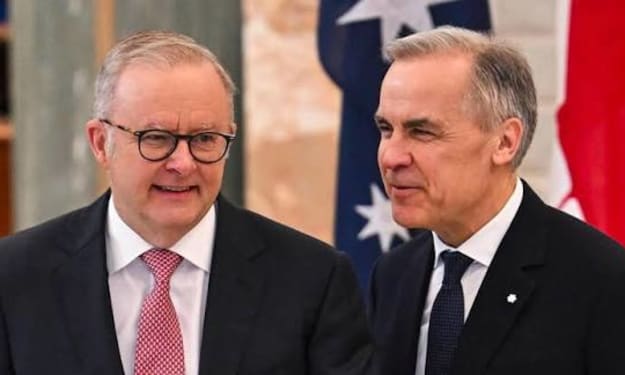
Canada, Australia Strengthen Ties as PM Mark Carney Urges ‘Strategic Cousins’ to Push Back Against Dominant Superpowers. AI-Generated.
In a striking address to Australian Parliament, Mark Carney used his first official visit as prime minister to call for closer alignment between Canada and Australia — describing the two nations as “strategic cousins” capable of shaping global affairs alongside, or in resistance to, dominant superpowers. His speech underscored a broader vision for middle‑power cooperation on defence, trade, technology, and economic sovereignty in an era marked by geopolitical strain and uncertainty. Carney’s message — delivered against the backdrop of increasing tensions in the Middle East, economic competition between major powers, and questions over the resilience of the post‑World War II rules‑based order — called on like‑minded countries to stop “negotiating from a position of weakness” and instead build cohesive partnerships that reflect shared interests and values. A New Strategic Partnership Carney’s visit followed a series of diplomatic and economic engagements across the Indo‑Pacific, including visits to India, Japan, and now Australia, as part of a tour to strengthen alliances amid global volatility. In Canberra, he and Anthony Albanese reaffirmed the longstanding bilateral relationship between their countries, signing agreements and outlining plans to deepen cooperation on investment, supply chains, and strategic sectors such as defence and technology. Central to Carney’s pitch was the idea that Canada and Australia — two of the world’s most prosperous and stable democracies — possess the credibility, legitimacy, and shared values needed to influence global outcomes. “Great powers can compel” by virtue of economic or military might, Carney told lawmakers. “But compulsion comes with costs — reputational, financial, and political.” By contrast, he argued, middle powers acting collaboratively can create durable partnerships that align interests without coercion. Shared Strengths and Strategic Priorities Carney described Canada and Australia not just as allies but as partners with complementary strengths. Both countries are major producers of critical minerals — including lithium, uranium, iron ore, and other resources vital for batteries, clean energy systems, and defence technologies — and together they account for a substantial share of global critical material production. Australia’s recent accession to the G7 Critical Minerals Production Alliance, a Canada‑led initiative, underscores this strategic alignment and aims to reduce dependency on dominating suppliers for essential resources. Beyond minerals, Carney emphasised cooperation in defence, cybersecurity, and artificial intelligence (AI), suggesting that pooling resources and technical expertise could strengthen each nation’s sovereign capabilities while offering alternatives to reliance on major powers like the United States or China. Proposed initiatives include joint investments in advanced surveillance systems, satellite communications, and defence equipment standardisation. Rethinking Global Engagement Carney’s remarks did not simply advocate closer Canada–Australia ties; they formed part of a broader critique of the current global order. Speaking to parliament, he echoed earlier warnings that the traditional architecture that guided international relations for decades is “breaking down” in the face of consecutive crises — from geopolitical conflicts to economic disruptions — and that middle powers must step forward to shape the next era of international cooperation. Carney’s theme of “strategic cousins” went beyond a rhetorical flourish. It captured a philosophy that nations with shared democratic traditions and institutional strengths can, and should, leverage their collective influence to advance stability, prosperity, and resilience. This approach reflects a growing consensus among policymakers in Ottawa and Canberra that a multipolar world — rather than one dominated by a handful of superpowers — requires agile, collaborative leadership from smaller but capable states. Reception and Regional Context Carney’s speech received broad support from Australian leaders, with Albanese and other officials welcoming the call for enhanced cooperation. The move comes amid wider international discussions about supply chain diversification, economic security, and reducing dependencies on singular geopolitical actors. Analysts see the Canada‑Australia partnership as emblematic of a broader effort by middle powers — including Japan, South Korea, and members of the Comprehensive and Progressive Agreement for Trans‑Pacific Partnership (CPTPP) — to assert their interests and promote balanced, rules‑based engagement in global affairs. Looking Ahead As Carney’s visit continues and negotiations unfold, the strategic cousins initiative is expected to yield concrete outcomes in trade, defence, technology, and critical materials investment. By forging deeper ties, Canada and Australia hope not only to fortify their respective economic and security positions but also to set an example for other mid‑level nations seeking greater agency in a changing global landscape. Whether this coalition of middle powers can truly reshape global dynamics remains to be seen, but Carney’s vision marks a defining moment in how countries traditionally seen as secondary actors are positioning themselves amidst the competing interests of dominant superpowers.
By Fiaz Ahmed about an hour ago in The Swamp
China Tells Top Refiners to Halt Diesel and Gasoline Exports. AI-Generated.
China has instructed its largest oil refiners to suspend exports of diesel and gasoline, a dramatic move that reflects growing global energy market fears as Middle Eastern tensions disrupt crude supply chains. The directive was issued amid escalating conflict in the Gulf, where military action involving the United States, Israel and other forces has closed key shipping routes through the Strait of Hormuz — a vital channel responsible for transporting roughly one‑fifth of the world’s seaborne oil. According to industry sources, representatives from the National Development and Reform Commission (NDRC), China’s top economic planning body, met with executives from major refiners including PetroChina, Sinopec, CNOOC, Sinochem Group, and private refiner Zhejiang Petrochemical. The refiners were told to “immediately suspend exports of diesel and gasoline, stop signing new export contracts, and negotiate to cancel already agreed shipments,” according to Bloomberg News sources. Exceptions were made for jet fuel and bunkering supplies destined for bonded storage or transit to Hong Kong and Macau. Strategic Concerns Over Fuel Supplies China is a net importer of crude oil, with around 57 % of its direct seaborne crude imports coming from the Middle East in 2025. Those supplies have become increasingly vulnerable as the war in the Gulf disrupts tanker movements through the Strait of Hormuz — a chokepoint whose closure often sends shockwaves through global energy markets. The sudden halt in diesel and gasoline exports is part of a broader pattern of energy risk management across Asia. Nations dependent on Middle Eastern crude are reducing exports of refined products and adjusting domestic refinery operations in anticipation of prolonged supply uncertainty. Japan, for example, has already asked its government to tap strategic reserves to keep fuel markets stable. China’s move comes not because it is a major source of fuel exports — its refined product shipments are modest compared with leaders such as South Korea and Singapore — but because Beijing wants to prioritise domestic fuel availability amid growing uncertainty in energy markets. State planners are keen to ensure that internal demand for diesel and gasoline is met even as global crude disruptions worsen. Impact on Regional Markets The suspension of diesel and gasoline exports by Chinese refiners is expected to tighten markets across Asia. Diesel is a cornerstone fuel for trucking, shipping, and industry, while gasoline touches everything from passenger vehicles to logistics and agriculture. Reduced shipments from China — even temporarily — may strain supply balances in countries like South Korea, Japan, and Indonesia, which both import fuel and source crude through disrupted Middle Eastern channels. Refining margins across the region have already surged as a result of crude supply constraints. In markets such as Singapore, refining profits have hit multi‑year highs, pushing up prices for jet fuel and diesel as global refining capacity faces pressure. Industry and Policy Reactions The directive to halt exports has prompted varied reactions from analysts and markets. Regional refiners, particularly those outside China, have seen stock rallies based on expectations that reduced Chinese competition could boost demand for their own products. For example, shares of India’s major refiners such as Reliance Industries and MRPL rose sharply after the news broke, reflecting investor optimism about tighter regional supply and higher margins. Governments and industry bodies are also monitoring the situation closely. Regional energy ministers and trade groups are evaluating whether strategic reserves need to be deployed or whether alternative crude sources can be secured to mitigate shortages. Some have urged refiners to cut production to conserve crude stocks, while others push for diplomatic moves to stabilise navigation through the Strait of Hormuz. Longer‑Term Implications While China’s suspension of diesel and gasoline exports is formally described as a temporary measure, its broader implications are significant: Supply Security Focus: China is signalling that fuel security is a national priority when global supplies are at risk. Market Ripples: Asian fuel markets may see more volatility as both crude and product flows adjust to geopolitical realities. Refining Strategy: Refiners may increasingly align with national policy goals rather than purely export‑driven strategies. Market watchers caution that if crude supply interruptions persist, refiners worldwide may have to recalibrate production, prioritise domestic markets, and negotiate new trade arrangements, potentially reshaping the global energy landscape. Conclusion China’s instruction to halt diesel and gasoline exports marks a rare intervention by Beijing into refined fuel trade policy, driven by concern over Middle East supply shocks and the potential for prolonged disruptions. By prioritising domestic fuel security, China joins a broader regional pattern of precautionary measures that could reshape energy markets, refine global pricing structures, and influence everything from logistics costs to consumer fuel availability in the months ahead — underscoring the profound downstream effects of geopolitical conflicts on everyday energy supplies.
By Fiaz Ahmed about an hour ago in The Swamp
The Last Time a U.S. Navy Submarine Sunk an Enemy Ship in Combat. AI-Generated.
The U.S. Navy’s submarine force is among the most powerful and secretive elements of America’s military, but in the nearly 80 years since World War II, its boats have rarely been called on to directly sink enemy ships in combat. The last confirmed instance of an American submarine sinking an enemy vessel in open wartime conditions occurred during the Gulf War in 1991, when a Los Angeles‑class nuclear‑powered fast attack submarine engaged and destroyed an Iraqi Tench‑class patrol ship in the northern Arabian Gulf. That action — swift, precise, and largely unheralded at the time — marked the closing chapter of a long tradition of submarine warfare that had its most intense chapters during the Pacific campaigns of World War II. Since then, strategic deterrence, surveillance, intelligence gathering, and special operations support have become the primary missions of U.S. submarines, even as their weaponry and reach have grown far more capable. The 1991 Engagement: Submarine Combat in the Gulf In January 1991, during Operation Desert Storm, the United States and coalition forces launched a massive campaign to expel Iraqi forces from Kuwait after Saddam Hussein’s invasion of 1990. The conflict featured overwhelming air and ground power, but the U.S. Navy’s submarines also played critical roles in controlling littoral waters, collecting intelligence, and denying the Iraqi military freedom of movement. The submarine USS Baton Rouge (SSN‑689), a Los Angeles‑class fast attack boat, was operating in the northern Arabian Gulf when it detected an Iraqi patrol ship attempting to harass coalition vessels. Using its sophisticated sonar and combat systems, the submarine tracked the target and made the decision to engage under established rules of engagement governing wartime operations. At approximately 3 nmi from the target, Baton Rouge fired a Mark 48 torpedo, the same heavyweight anti‑ship/anti‑submarine weapon that remains a staple of U.S. submarine armament today. The torpedo struck the Iraqi patrol ship, which rapidly sank. There were no U.S. casualties, and the action was completed without broader escalation — reflecting both the tactical precision and strategic restraint that characterise modern U.S. submarine warfare. Though this engagement marked the last official sinking of an enemy warship by a U.S. submarine in direct combat, submarines continued to contribute significantly in other ways throughout the Gulf War and in subsequent conflicts, including launching Tomahawk land‑attack cruise missiles and supporting special forces. From World War II to the Gulf: The Evolution of Submarine Warfare The submarine’s role in combat was drastically different during World War II, when they were at the vanguard of naval warfare in both the Atlantic and Pacific Theatres. In the Pacific, U.S. submarines targeted Japanese shipping relentlessly, contributing to the isolation and eventual defeat of Japan by cutting supply lines and sinking warships and merchant vessels alike. By contrast, the late 20th‑ and early 21st‑century conflicts have seen submarine operations geared more toward deterrence, power projection, and precision strike. Nuclear‑powered submarines now conduct intelligence, surveillance, and reconnaissance (ISR) missions and carry Tomahawk missiles capable of striking targets thousands of miles inland — making traditional surface engagements rarer. The Modern Strategic Context Today’s submarines remain among the most advanced weapons systems in the U.S. arsenal. The latest Virginia‑class attack boats combine stealth, long endurance, and multi‑domain strike capabilities. Yet direct surface engagements like the one in 1991 are unlikely to be common. Modern naval strategy emphasises deterrence and precision fires, using submarines to gather information, conduct covert operations, and strike land targets rather than to seek out enemy ships. The changing character of naval combat also reflects broader geopolitical shifts. Many potential adversaries lack significant surface fleets, focusing instead on missile systems, submarines of their own, or asymmetric sea denial strategies. When surface combat occurs in future conflicts, the consequences — including civilian harm and escalation — will also weigh on commanders’ decisions about whether and how to engage. Why the 1991 Engagement Still Matters The action in the northern Arabian Gulf remains significant for several reasons: Historical continuity: It was the last time an American submarine sank an enemy warship in traditional naval combat. Tactical precision: The engagement demonstrated the ability of submarines to strike decisively and safely in crowded littoral waters. Strategic restraint: The action was tightly controlled, aligning with broader military objectives without triggering disproportionate escalation. Submarines today may seldom end their missions with a sunken enemy ship on the bottom of the sea, but their impact on global security is no less profound. From ballistic missile deterrence to covert ISR and land‑attack missions, the silent service continues to shape strategic outcomes in ways that often remain invisible to the general public. If future conflicts bring renewed surface engagements, lessons from the 1991 Gulf War action — precision, restraint, and integration with broader strategy — will inform how submarine commanders act. Until then, the sinking by Baton Rouge stands as the most recent chapter in a long and storied tradition of U.S. submarine warfare.
By Fiaz Ahmed about 2 hours ago in The Swamp
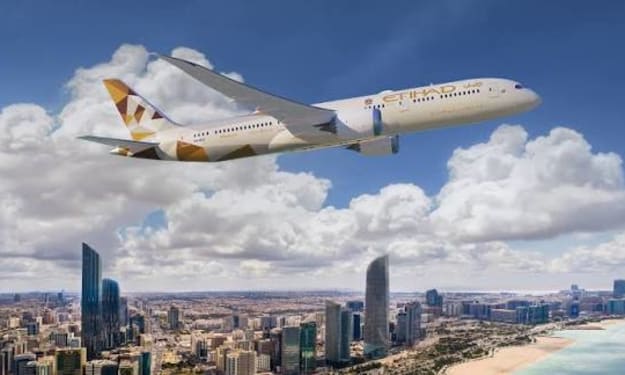
Etihad Airways Warns Travellers of Fake Social Media Accounts Impersonating the Airline. AI-Generated.
Etihad Airways has issued a formal warning to passengers and the travelling public to be vigilant after discovering an uptick in fraudulent social media accounts posing as official airline profiles. The airline said that impostor accounts have been contacting travellers with false offers, fake promotions, and misleading customer service messages — all designed to harvest personal data or scam unsuspecting users. According to Etihad’s corporate communications team, the fake accounts have appeared across platforms including Meta Platforms’s Facebook and Instagram, X (formerly Twitter), and messaging apps that support business‑style profiles. Some of the fraudulent pages closely mimic the airline’s official branding, using logos, flight images, and airline livery in an effort to appear legitimate. “Fraudsters are becoming more sophisticated in their impersonation tactics,” said a spokesperson for Etihad Airways. “These fake accounts can mislead customers into sharing sensitive information, clicking harmful links, or even paying for services that do not exist. We are actively working with social media platforms to report and remove these accounts, but we also urge passengers to be cautious and ensure they’re interacting with official Etihad channels.” How the Scams Work The airline has identified several common patterns used by the fraudulent profiles: Fake Promotions or Contests: Users are told they’ve won free flights, upgrades, or lounge passes, but must first provide personal details or pay a processing fee. Phony Customer Support: Accounts pose as “official customer care” and request booking references, passport numbers, or payments to resolve a supposed issue with a flight. Malicious Links: Messages contain links that lead to phishing websites designed to capture login credentials, financial information, or other personal data. Etihad officials warn that once data is captured, it can be used for identity theft, financial fraud, or other phishing attacks. “A legitimate airline will never ask customers to pay fees or provide sensitive information through unsolicited social media private messages,” the airline stated. Recognising Official Etihad Accounts To help travellers distinguish real accounts from fake ones, Etihad provided guidelines on how to identify official social media handles: Official accounts carry the verified badge — a blue tick next to the profile name — on major platforms such as Facebook, Instagram, and X. Handles should match those listed on Etihad’s official website. Official customer service responses will generally direct users to dedicated support channels, including the airline’s website or verified support portals, not private messages from unknown accounts. The airline also reminded customers that booking confirmations, itinerary changes, and flight updates should always come from official email addresses ending in @etihad.ae or verified SMS short codes, rather than social media direct messages. Industry‑Wide Challenge Etihad is not alone in facing impersonation and scam challenges; major airlines globally have issued similar warnings in recent years. As digital communications have become essential to customer engagement, fraudsters have shifted their tactics to exploit travellers’ reliance on social media and mobile messaging. According to cybersecurity experts, the increased volume of online travel bookings during the post‑pandemic recovery has presented opportunities for malicious actors to disguise themselves within customer service‑style interactions. “The pandemic accelerated digital transformation across the travel industry,” said a cybercrime analyst. “But it also created a fertile environment for scams targeting travellers who may already be stressed about disruptions, delays, or cost increases.” Social media companies have responded with tools for reporting impersonation and fraud, but critics say enforcement can lag behind the speed at which fake accounts are created and proliferate. Government and Regulatory Involvement In the UAE, authorities have taken a firm stance against online fraud and cybercrime more broadly. The Telecommunications and Digital Government Regulatory Authority and law enforcement agencies actively monitor digital platforms for fraudulent activity, and scams targeting residents and visitors alike can result in significant penalties for perpetrators under UAE cybercrime laws. Etihad has reported multiple fake accounts to platform administrators and law enforcement, but the airline emphasises that traveller vigilance is also crucial. “Our priority is the safety and peace of mind of our customers,” the airline spokesperson said. “We encourage anyone who encounters a suspicious account claiming to be Etihad to report it immediately, and to double‑check communication sources before engaging.” What Travellers Should Do Etihad’s safety checklist for travellers includes: Follow only verified social media accounts with official badges. Avoid responding to unsolicited private messages about bookings. Never click on links from unknown senders or provide login or payment details. Contact Etihad directly through official channels if in doubt. As travel demand continues to recover and evolve, Etihad’s warning serves as a reminder that digital safety is an essential part of modern travel planning. By staying alert and informed, passengers can protect themselves against scams that seek to exploit trust in one of the world’s leading airlines.
By Fiaz Ahmed about 2 hours ago in The Swamp
A Woman of Her Time, in the Worst Way”: Industry, Ghislaine Maxwell and the Epstein Scandal. AI-Generated.
When Ghislaine Maxwell was convicted in 2021 on multiple charges related to Jeffrey Epstein’s widespread sex trafficking operation, many in media and public life saw her as a symbol of privilege gone awry — a woman whose connections, wealth, and status insulated her from accountability for far too long. As the dust settles years after Epstein’s death and Maxwell’s trial, the scandal’s reverberations continue to shape industries from publishing to philanthropy, prompting sharper scrutiny of power, privilege, and complicity. From Society Circles to Criminal Conviction Maxwell, daughter of media mogul Robert Maxwell, long moved in elite circles. It was through these networks that she first connected to Epstein, becoming one of his closest confidantes and — according to prosecutors — a key facilitator of his abuse, recruiting and grooming victims. In December 2021, she was found guilty in a U.S. federal court of sex trafficking, transporting minors for sexual exploitation, and related charges. She was later sentenced to 20 years in prison. Her conviction was a rare moment of accountability among a constellation of wealthy, powerful figures who surrounded Epstein for years without consequence. Yet as journalists, advocates, and survivors have noted, Maxwell’s case has raised as many questions about institutional failures as it answered. Industry Collusion and Silence The reach of the Epstein scandal extended far beyond the individuals directly accused. Epstein’s ability to cultivate access — to political leaders, celebrities, academics, and philanthropists — depended on the complicity, wilful ignorance, or opportunism of many within industry and society. Investigative reporting in the years that followed exposed a pattern: invitations to fundraisers, seats on advisory boards, donations to universities and cultural institutions, and other forms of association that lent Epstein an air of legitimacy. In many cases, leaders accepted his involvement without robust vetting, valuing funding and access over ethics. In the publishing world, high‑profile figures who had benefitted from Epstein’s largesse or friendship found themselves under scrutiny. Similarly, academic institutions wrestled with revelations that donations had flowed from Epstein, sometimes rebranded or channelled through intermediaries. Maxwell’s role in that ecosystem was both central and emblematic. As a socialite and influencer, she assisted in cultivating relationships between Epstein and various powerful figures, smoothing his entry into spaces he otherwise might not have penetrated. A “Woman of Her Time”? The phrase “a woman of her time, in the worst way” has emerged in some commentary as a description of Maxwell not merely as an individual but as a product of broader cultural issues. Her ability to navigate elite networks, deflect accountability, and symbolise a certain brand of entitlement speaks to structural imbalances in how society treats wealth and gender. Unlike many women in similar criminal circumstances — particularly those without means — Maxwell was afforded high‑priced legal defence teams, extended delays, and opportunities to shape her own narrative in ways unavailable to most defendants. Critics take issue with this dynamic, arguing that her case underscores a wider justice divide based on class and influence. Meanwhile, survivors of Epstein’s abuse have continued to advocate for recognition, compensation, and systemic change. The trauma inflicted by the trafficking ring did not end with Maxwell’s incarceration; survivors have described psychological, economic, and social impacts that persist years later. Their voices helped fuel public pressure for accountability and reform. Cultural Reckoning and Institutional Change The Epstein‑Maxwell saga also triggered introspection within industries that had welcomed them. Universities reviewed donation policies, tightening vetting procedures and refusing funds tied to individuals with questionable backgrounds. Cultural institutions reassessed board member selections and conflict‑of‑interest policies. Some philanthropic networks introduced stricter transparency requirements. Media organisations, too, confronted their own roles. Outlets that had once accepted Epstein’s access or comment faced criticism for failing to scrutinise his activities earlier. In response, some newsrooms created internal guidelines to avoid similar lapses, though critics argue more substantive cultural change is needed. The Broader Legacy Even as Maxwell begins her sentence and Epstein’s life remains a subject of controversy and conspiracy theories, the larger impact of their network continues to ripple outward. The scandal became a touchstone for conversations about consent, exploitation, and the intersection of wealth and justice. Experts in criminal justice and sociology suggest the case highlights how power can shield abusive behaviour and delay accountability for victims. They argue that meaningful progress requires sustained attention to legal reform, survivor support, and industry accountability. For many observers, Maxwell’s conviction was a necessary — if imperfect — moment of justice. But the broader reckoning sparked by the Epstein case may be its most enduring legacy, forcing industries and institutions to confront uncomfortable truths about privilege, complicity, and the price of silence.
By Fiaz Ahmed about 2 hours ago in The Swamp
Malaysia Joins Israel, Iraq, Jordan, Qatar, Bahrain, Kuwait, UAE, Saudi Arabia, and Syria to Overcome Mobility Issues in Collaboration with Global Aviation and Tourism Authorities: New Updates. AI-Generated.
In a significant development for international travel and regional cooperation, Malaysia has formally joined a broad coalition of countries — including Israel, Iraq, Jordan, Qatar, Bahrain, Kuwait, United Arab Emirates, Saudi Arabia, and Syria — to address mobility and travel challenges in coordination with global aviation and tourism authorities. The announcement highlights renewed efforts by governments and industry stakeholders to accelerate travel recovery after pandemic disruptions and address new operational complexities arising from geopolitical tensions and infrastructural challenges. Officials from the participating countries said the initiative aims to improve connectivity, enhance passenger experience, and support tourism and economic growth by forging stronger partnerships between national aviation bodies, tourism ministries, and international organisations such as the International Civil Aviation Organization (ICAO) and the World Tourism Organization (UNWTO). These cooperative efforts reflect a growing recognition that global mobility is fundamental to national development, job creation, and intercultural exchange. A Broader Coalition for Mobility The coalition announcement emerged from a virtual summit hosted jointly by ICAO and UNWTO, where aviation ministers, tourism commissioners, and airline representatives outlined a shared vision for modernising travel frameworks. Delegates emphasised that overcoming mobility issues requires a multifaceted approach — one that balances safety, infrastructure investment, human capital development, and cross‑border cooperation. Malaysia’s inclusion in this group marks its commitment to expanding its role in global aviation and tourism strategy. The Malaysian delegation underscored the importance of institutional collaboration to enhance air connectivity and reduce logistical barriers in international travel. “As a country with a rich cultural heritage and strong tourism industry, Malaysia recognises that seamless mobility is key to fostering economic resilience and enhancing global partnerships,” said Malaysia’s transport minister in a statement. The coalition’s roster reflects a geographically diverse network of countries, each facing distinct but overlapping mobility hurdles. For Middle Eastern partners, ongoing airspace considerations — including temporary restrictions due to regional tensions — have necessitated more agile route planning and risk management systems. In contrast, Southeast Asian stakeholders such as Malaysia focus on addressing pandemic‑era backlog, improving airport infrastructure, and integrating digital travel facilitation systems. Key Areas of Cooperation Participants agreed on several priority areas to ensure the coalition makes tangible progress: 1. Harmonised Travel Protocols: Representatives emphasised the need to streamline health, visa, and security requirements to reduce passenger confusion and ensure more predictable itineraries. By aligning procedures between countries, travellers can benefit from smoother cross‑border movement. 2. Digital Innovation: A common theme in discussions was the integration of digital travel credentials, biometric entry systems, and enhanced booking platforms that support real‑time updates on requirements and travel options. Malaysia — already a regional leader in digital transformation — pledged to share insights from its national travel facilitation frameworks. 3. Infrastructure and Capacity Building: Several countries noted the need to invest in airport expansions, air traffic management upgrades, and workforce training. These investments are aimed at supporting future growth in passenger volumes and cargo operations while maintaining safety standards. 4. Tourism Recovery Strategies: With tourism a significant economic driver for many participating nations, the coalition plans to develop joint marketing campaigns and incentive programmes designed to attract international visitors. Collaborative branding, targeted promotions, and shared tourism data are expected to boost returns for all members. Industry Reactions Major carriers and global aviation organisations welcomed Malaysia’s involvement and the broader coalition effort. Airline executives pointed out that consistent regulatory frameworks and predictable mobility corridors are essential to rebuilding route networks and restoring confidence among travellers. “The more cohesive and transparent intergovernmental agreements are, the better positioned airlines will be to optimise schedules and offer competitive routes,” said one industry spokesperson. Tourism boards also welcomed strides toward harmonised travel facilitation. “Destinations thrive when people can move freely and securely,” noted a representative from UNWTO. “This coalition reflects a proactive approach to meeting traveller expectations in an increasingly interconnected world.” Challenges Ahead Despite the promise of cooperation, coalition members acknowledged challenges remain. Divergent regulatory environments, varying levels of economic development, and geopolitical considerations can complicate implementation of agreed measures. For example, overlapping airspace restrictions in certain regions require high‑level diplomatic engagement to ensure that safety and access are both prioritised. Political tensions — both within and between regions — also present potential obstacles. Aligning tourism and aviation policies across such a diverse group will necessitate ongoing dialogue and flexibility from all stakeholders. Looking Forward The establishment of this coalition with Malaysia playing an active role signals a commitment to collaborative problem‑solving among nations that are pivotal to their respective regions’ mobility and tourism landscapes. By investing in harmonised systems, innovative technologies, and shared strategies, the participating countries hope to set a new standard for international travel cooperation. As policymakers and industry leaders work toward implementation, travellers around the world may eventually benefit from more seamless journeys, greater route options, and strengthened confidence in international travel’s future — even amid lingering uncertainties in geopolitics and global health.
By Fiaz Ahmed about 2 hours ago in The Swamp
UAE Flights Update — March 5: What Travellers Need to Know. AI-Generated.
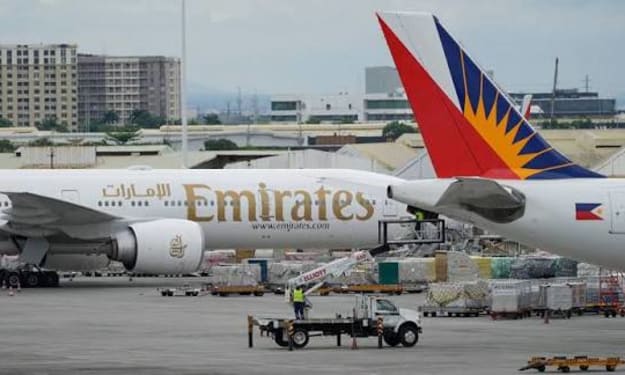
As geopolitical tensions continue to affect global air travel, passengers flying to, from, or through the United Arab Emirates should be aware of the latest operational updates, airline advisories, and safety measures. On March 5th, a combination of airspace adjustments, airline schedule changes, and enhanced security precautions are shaping travel plans for thousands of passengers, with developments relevant to both international and domestic flyers. 1. Airspace Restrictions and Routing Adjustments In recent weeks, portions of Middle Eastern airspace have been temporarily restricted or subject to routing advisories due to regional tensions. While the UAE’s own domestic airspace remains open and secure, flights transiting neighbouring sectors — particularly over the Persian Gulf and adjacent regions — may face rerouting, delays, or extended flight times. Airlines operating in and out of major UAE hubs such as Dubai and Abu Dhabi have adjusted flight paths to avoid risk zones and comply with international aviation safety notices. The International Civil Aviation Organization and regional air navigation service providers have continued to issue Notices to Airmen (NOTAMs) outlining temporary airspace exclusions or cautionary corridors. Pilots and airlines are using alternative routings — including flights over the Gulf of Oman and the Arabian Sea — to maintain safety while preserving as much schedule reliability as possible. Passengers should expect marginally longer flight times on some long‑haul sectors due to these deviations. It’s important to monitor airline communications, as several carriers are issuing updates directly to passengers regarding expected departure and arrival changes. 2. Airline Schedules: Delays and Cancellations On March 5, several airlines operating to and from UAE airports reported schedule disruptions, though most flights are proceeding with minimal impact. The two largest UAE carriers — Emirates and Etihad Airways — confirmed that the majority of their scheduled flights remain on track, with operational adjustments made primarily for routing and safety compliance. Some international carriers have announced delays or revised flight times specifically on routes that overfly sensitive regions. For example: Flights connecting Europe and South Asia via UAE hubs may experience extended flight times due to airspace rerouting. Flights bound for destinations in the Far East or Australasia are also monitoring wind and routing patterns to optimise flight efficiency while observing safety directives. Passengers booked on March 5 flights are strongly advised to check their flight status with their airline 24–48 hours before departure and continue checking on the day of travel. Both Emirates and Etihad have robust digital systems — including apps and SMS alerts — that provide real‑time updates. 3. Airport Operations and Passenger Processing At UAE airports, authorities report that passenger screenings, boarding procedures, and terminal operations are proceeding smoothly. Enhanced security measures remain in place — consistent with international norms — but officials emphasise that these measures are precautionary and part of routine operations during heightened global alert levels. Passengers should arrive at airports with ample time before departure: at least three hours ahead for international flights and two hours for regional or domestic connections. Standard documentation requirements — passports, visas, vaccination proofs (if applicable), and boarding passes — must be presented as usual. Transit passengers should verify terminal and gate information in advance, as some carriers may reassign gates to accommodate equipment changes or revised aircraft rotations. 4. Travel Advisories and Diplomatic Guidance The UK Foreign, Commonwealth & Development Office, U.S. Department of State, and other national travel advisories continue to monitor regional developments and provide country‑specific guidance for citizens travelling abroad. These advisories highlight the importance of registering travel plans with consular services, maintaining flexible bookings, and keeping emergency contacts available. So far, neither the UAE government nor diplomatic missions have issued broad directives affecting tourism or business travel to the UAE. The country remains open to visitors, and local authorities have reiterated their commitment to ensuring safe and seamless travel experiences. 5. Tips for Travellers on March 5 To minimise stress and disruption, passengers flying on March 5 should consider the following: Check flight status early and often: Airlines regularly update schedules in response to aircraft positioning and routing changes. Monitor NOTAMs and official airline communications: Safety directives may affect specific corridors or flight paths. Arrive early at the airport: Security protocols and passenger flows may fluctuate with demand. Pack necessary documentation: Ensure all travel documents are valid and accessible. Prepare for slight delays: Longer routes and adjusted departure slots may affect overall travel times. 6. Looking Ahead While regional tensions remain a backdrop to global aviation planning, the UAE continues to serve as a major aviation hub with resilient operations and proactive management. Ongoing cooperation between airlines, airports, aviation authorities, and international bodies aims to ensure that passengers can travel with assurance and minimal disruption. Travellers departing on March 5 and beyond should stay informed, maintain flexibility in their plans, and make use of official airline and airport resources to navigate any changes. With careful preparation and timely information, most journeys through the UAE’s world‑class air network are expected to proceed without major incident — even amid evolving geopolitical dynamics.
By Fiaz Ahmed about 2 hours ago in The Swamp
Restoring order at the border speaks to Labour values. Without that, we won’t be able to do anything else at all” — Shabana Mahmood. AI-Generated.
Labour MP Shabana Mahmood has delivered a forceful defence of her party’s plans to “restore order” at the UK’s borders, arguing that control of immigration is foundational to delivering core Labour values such as fairness, social justice, and economic security. In remarks that mark one of the most candid articulations yet of Labour’s position on immigration policy, Mahmood stressed that without credible action on border security, voters will not trust the party to deliver on any other part of its agenda. “People want a government that can deliver basic competence,” Mahmood told reporters in Westminster. “The public understand compassion and fairness — but they also need to see that the state can uphold laws, secure borders, and manage migration in a way that is orderly and sustainable. That is what restoring order at the border speaks to: trust in government and stability for our communities.” Her comments come amid ongoing national debate over the strength and clarity of Labour’s approach to immigration, particularly following significant political pressure from opponents who argue that the party has been too vague or hesitant on asylum and border control. It also follows months of public concern and media attention on Channel crossings and the strain on asylum processing systems after years of legal and enforcement challenges. Labour’s Strategic Recalibration The Labour Party under leader Keir Starmer has been reshaping its policy on immigration, aiming to counter criticisms that it is weak on border control while maintaining its values of fairness and protection for refugees. Mahmood’s intervention reinforces the message that Labour seeks a middle ground: humane asylum policy married to robust enforcement. “Labour is a party that believes in fairness, but fairness also means fairness to UK taxpayers, fairness to those waiting for decisions, fairness to communities that are bearing the pressures of uncontrolled migration,” she said. “We cannot have a sustainable and fair system without an orderly process and secure borders.” Labour’s critics — particularly in the Conservative Party — have embraced the issue as a political vulnerability, emphasizing that the electorate is concerned about the pressures on public services, housing, and jobs. For years, border policy has been a focal point of centre‑right arguments about law and order, national identity, and sovereignty. Mahmood’s comments signal that Labour is attempting to take ownership of border policy rather than cede it to opponents. What “Restoring Order” Might Mean While Mahmood stopped short of outlining detailed policy prescriptions, her comments suggest several areas where Labour could focus: 1. Strengthening Enforcement: A more assertive stance on removing individuals without legal right to remain, improving immigration enforcement capacity, and tightening controls on unlawful entry. 2. Reforming Asylum Processing: Reducing backlogs in asylum decision‑making, with clearer timeframes and resources devoted to efficient, fair adjudication. 3. Border Security Measures: Investments in technology, infrastructure, and cross‑government cooperation to manage ports, air entry points, and maritime borders more effectively. Policy observers note that any meaningful change will require significant legislative and administrative work. For Labour, this will be a test of how it balances credibility with compassion — a narrative the party has sought to reinforce in recent years. Political Risk and Public Trust The emphasis on border control reflects broader electoral calculations. Polling in recent years has consistently shown that immigration and border security are among voters’ top concerns. Labour strategists appear to believe that demonstrating competence on this issue is key to capturing swing voters and consolidating support in areas where there has been frustration with previous governments’ performance. Mahmood acknowledged the political risk but framed it as an opportunity. “No single policy defines a good government, but failing to get the basics right undermines everything else we want to achieve,” she said. “If people do not trust us with border security, they will be sceptical of our ability to protect rights, improve public services, or grow the economy. Competence builds trust.” Reactions Across the Political Spectrum Reactions have been mixed. Labour supporters who prioritise humanitarian concerns have welcomed assurances of compassion but urged clarity on how vulnerable refugees will be protected. Some advocacy groups have called for greater emphasis on safe and legal routes to asylum, warning against overly punitive measures. Conservative MPs, meanwhile, have criticised Labour’s record in government when it previously held local power in areas dealing with migrant pressures. “Words on borders are easy; action is what matters,” one Tory frontbencher said. “We will be watching to see if this rhetoric translates into policy that secures the United Kingdom’s borders.” Looking Ahead Mahmood’s comments are likely to shape the ongoing debate within Labour and across UK politics. As the party prepares for upcoming legislative sessions and electoral cycles, immigration and border policy will continue to be a central battleground. Whether Labour’s pledge to “restore order” will achieve the dual goals of satisfying public demand for competence while staying true to its values remains to be seen. But Mahmood’s assertion — that border security underpins everything else the party aims to accomplish — sets a clear marker for the political narrative in the months ahead.
By Fiaz Ahmed about 2 hours ago in The Swamp
Marsh, Aon in Talks With US on Insuring Tankers in Hormuz. AI-Generated.
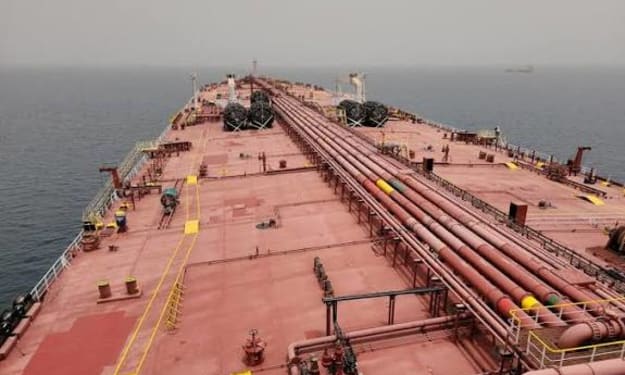
Major global insurance brokers Marsh & McLennan Companies and Aon plc are in discussions with the United States government and industry stakeholders about plans to provide insurance coverage for commercial tankers transiting the Strait of Hormuz, a critical chokepoint in global energy supply that has become increasingly volatile amid regional tensions. The talks underscore the unprecedented risks faced by shipping companies and insurers as geopolitical instability disrupts one of the world’s most important maritime routes. The Strait of Hormuz, which links the Persian Gulf to the Arabian Sea and beyond, is vital to global energy markets. A significant portion of the world’s crude oil and liquefied natural gas (LNG) — estimates vary but often exceed 20% of total seaborne oil shipments — is exported through this narrow waterway. In recent months, hostilities involving Iran’s Revolutionary Guard Corps, U.S. and allied forces, and proxy groups have heightened concerns about potential attacks on vessels, prompting carriers and insurers to reassess risk exposures. A Surge in Risk and Insurance Challenges Historically, tanker insurance for routes through the Gulf has been priced to reflect relatively stable conditions, though always with a premium for geopolitical risk. Insurers typically rely on a combination of war risk cover, hull and machinery insurance, and protection & indemnity (P&I) liability coverage to manage potential losses. However, the recent uptick in near‑miss incidents, drone and missile threats, and contested airspace advisories has elevated the perceived threat level, leading some insurers to impose higher premiums or exclude certain risks altogether. As a result, shipowners have encountered difficulty securing affordable, comprehensive coverage — particularly war risk insurance, which covers damage from conflict‑related events such as missile strikes or attacks by military forces. Without such coverage, vessels face prohibitive financial exposure. Some shipping lines have already rerouted vessels to avoid the Gulf, increasing voyage times and fuel costs, while others have continued transits unwilling or unable to accept limited insurance terms. In this environment, Marsh and Aon have held preliminary talks with the U.S. government and private sector partners about potential mechanisms to ensure that commercial traffic can continue to flow with adequate protection for shipowners and crew. Officials have stressed that these discussions are exploratory and have not been formalised into any specific programme. Government Involvement and Strategic Considerations U.S. officials acknowledge the critical importance of maintaining open shipping lanes through the Strait of Hormuz, not only for energy markets but also for broader economic stability. A senior U.S. official involved in the talks noted that “ensuring that insurers and shipowners have confidence in transiting these waters is a strategic priority.” However, the official emphasised that any government‑backed measures would need to balance risk exposure, fiscal responsibility, and regulatory frameworks. One proposal under consideration involves a public‑private partnership (PPP) in which the U.S. government could act as a backstop or reinsurer for specific risk layers, similar in concept to existing terrorism risk insurance programmes that provide limited government guarantees when private markets withdraw from high‑risk segments. Such arrangements aim to leverage private capital while providing an additional layer of security to mobilise market participation. Market Response and Expert Opinion Reactions from the insurance and shipping sectors have been mixed. Some industry analysts view government involvement as essential to preventing a de‑facto closure of the Gulf to commercial tankers, especially if war risk premiums continue to spike. “Without reasonable insurance solutions, carriers will be forced to avoid the route, driving up global energy prices and disrupting supply chains,” said a maritime risk consultant. Others caution that government backstops carry their own challenges, including moral hazard — where firms take on greater risk because losses are partially borne by the public sector — and the complexities of valuation and claims settlement in conflict zones. They also note that the increasingly globalised nature of insurance capital means that unilateral programmes may have limited effect unless coordinated internationally. Impact on Oil and Gas Markets The broader energy market is already reacting to the uncertainty. Oil prices have experienced heightened volatility as traders factor in increased shipping risk, while consumers and refiners monitor freight cost fluctuations. For nations reliant on Gulf oil and LNG imports, particularly in Europe and Asia, extended disruption or sharply higher shipping costs could reverberate through domestic energy markets. Some analysts suggest that the talks between Marsh, Aon, and the U.S. could signal a tipping point in how insurers and governments approach geopolitical risk in key maritime corridors. The potential for official involvement reflects the recognition that private markets alone may be insufficient to underwrite extreme tail risks in a sustained period of instability. Looking Ahead As negotiations continue, stakeholders are weighing a range of options — from temporary relief measures to longer‑term risk financing facilities. The urgency of the situation has accelerated discussions, but officials and industry representatives caution that any programme would require careful design, legal clarity, and international cooperation. For now, shipowners, insurers, and governments will watch developments closely, aware that the outcome could shape maritime insurance norms and energy trade patterns for years to come. Ensuring the continued flow of tankers through the Strait of Hormuz remains a priority, but achieving stable, affordable insurance cover in a volatile geopolitical environment poses one of the most complex challenges facing the global maritime community today.
By Fiaz Ahmed about 3 hours ago in The Swamp
Why Ecuador Invited the U.S. Military to Help With Its Drug Gangs. AI-Generated.
In an extraordinary move that underlines the severity of criminal violence in Ecuador, the government has formally invited the United States military to assist in confronting powerful drug trafficking organisations that have turned large parts of the South American nation into de facto battlegrounds. This decision reflects years of escalating narco‑violence, institutional weakness in law enforcement, and a regional security environment that authorities say has outpaced Ecuador’s capacity to respond alone. The announcement came in early March 2026, shortly before Ecuador and the U.S. launched a joint anti‑drug operation supported by United States Southern Command. Quito’s decision has triggered debate both domestically and internationally, raising questions about sovereignty, regional cooperation, and the shifting nature of the global drug trade. A Growing Crisis Ecuador sits at a strategic nexus of the global cocaine supply chain. Bordered by Colombia, one of the world’s top cocaine producers, and Peru, another major source of illicit coca, Ecuador has seen an influx of criminal groups seeking control of trafficking routes to the Caribbean, Galápagos Islands, and Pacific outlets. By 2025, violent crime in Ecuador had soared. Homicide rates, once among the lowest in the region, began rivaling those of much larger countries. Cartel violence — driven by factions such as Los Lobos and Los Choneros — spilled into urban centres like Guayaquil, where turf wars, extortion, and public shoot‑outs have become disturbingly common. Law enforcement in many provinces struggled to contain the flow of weapons and coordinated attacks on police. Officials in Quito have described the spiralling violence as “narco‑terrorism,” reflecting how drug networks have evolved into powerful quasi‑military organisations that challenge state authority. According to Ecuadorian authorities, conventional policing strategies were inadequate to counter these heavily armed networks, prompting consideration of military assistance. Why Washington and Quito Partnered Ecuador’s invitation to the U.S. military did not happen overnight. It is the result of sustained diplomatic engagement, regional pressure, and shared security concerns. For the United States, the rationale blends foreign policy, national security, and domestic political pressures stemming from drug use and trafficking within its own borders. U.S. officials have cited three main reasons for supporting Ecuador: Disrupting the Supply Chain: Ecuador has become a crucial transit point for cocaine moving from South America toward the U.S., Europe, and beyond. By assisting Quito, Washington aims to reduce supply flows before they reach open seas or cross into Central America. Intelligence Sharing: U.S. military and intelligence assets can provide advanced surveillance, aerial reconnaissance, and tracking technologies that Ecuadorian forces lack. This complements local operations and enhances interdiction effectiveness. Regional Stability: U.S. strategy emphasises preventing narco‑violence from spilling into neighbouring countries, destabilising governments, and creating humanitarian crises akin to those seen in other parts of Latin America. For President Daniel Noboa, the decision was framed as a sober response to a public safety emergency. In televised remarks, he said Ecuador had “exhausted all domestic options” and required coordinated international support to dismantle criminal networks that threatened the rule of law, economic growth, and citizen security. The Scope of the Operation Officially cited as a joint counter‑drug initiative, the U.S. military’s role in Ecuador includes advisory support, intelligence cooperation, and logistical assistance. While Ecuador’s constitution bars permanent foreign bases, temporary arrangements — including U.S. Special Forces operating alongside Ecuadorian units — have been agreed upon under a bilateral security package. The operation includes: Enhanced intelligence collection and sharing Joint raids on cartel infrastructure Training for local army and police units Support for air and maritime interdiction Some U.S. personnel are reported to be embedded with Ecuadorian forces, assisting with mission planning and technical capacities without a large visible combat footprint. Public Reaction and Controversy The decision has been polarising. Supporters argue that extraordinary threats require extraordinary responses. Merchants, civic leaders, and citizens affected by rampant crime have voiced support for international help, saying Ecuadorian institutions alone are unable to guarantee safety. Critics, however, warn of potential overreach and dependency on foreign military power. Civil liberties advocates have raised concerns about the militarisation of public safety and the need for judicial safeguards to prevent abuses. There are also concerns about how such partnerships might impact Ecuador’s sovereignty and domestic political dynamics. Regional Implications Ecuador’s move could set a precedent in a region grappling with narco‑violence. Neighbouring countries might look toward similar collaborations if the strategy yields measurable reductions in trafficking and violence. Conversely, missteps could stoke anti‑U.S. sentiment and deepen scepticism about foreign military involvement. Looking Ahead The joint operation represents a stark acknowledgement that drug crime in the 21st century is not merely a law enforcement issue but a complex security challenge involving armed groups, transnational networks, and porous borders. Ecuador’s invitation reflects not only its own urgent circumstances but also broader questions about cooperation, sovereignty, and how nations confront the evolving threats posed by globalised criminal networks. As the operation unfolds, outcomes will be closely watched by policymakers, security analysts, and regional partners — not only for what they reveal about Ecuador’s future, but for what they may signal about the international community’s role in combating narco‑violence in the years to come.
By Fiaz Ahmed about 6 hours ago in The Swamp
Watershed moment as Russia's sporting exile ends. AI-Generated.
In a dramatic turn of events, Russia has formally ended its years-long isolation from major international sporting competitions, a development that marks a significant shift in global athletics and geopolitics. After being barred from many world championships and high-profile events following its invasion of Ukraine in 2022, Russian athletes and teams will now be permitted to compete again under the national flag, flagging a “watershed moment” for sports and diplomacy alike. The decision comes after months of negotiation between Russian sporting authorities, international federations, and major events organisers. At the heart of this shift is a coordinated move by bodies such as the International Olympic Committee (IOC) and individual sport federations to reassess blanket bans in favour of more nuanced eligibility criteria. Supporters argue that athletes should not be punished indefinitely for the actions of governments and that sport has a unique capacity to build bridges even amid geopolitical tensions. From Ban to Reinstatement Russia’s sporting exile began soon after its full-scale invasion of Ukraine in February 2022. In response to global outrage and widespread condemnation, numerous international sports federations imposed sanctions on Russian competitors and teams. These included bans from high-profile events such as the FIFA World Cup qualifiers, World Athletics Championships, and numerous cycling, tennis, and gymnastics competitions. In many instances, Russian athletes were required to compete as neutrals — without national anthems, flags, or official representation — provided they could demonstrate they opposed their country’s military actions and met strict eligibility criteria. These measures were intended to balance fairness to individual athletes with broader international pressure on Russia’s government. However, the extended absence of Russian teams and athletes had profound implications. Russia has long been a powerhouse in many sports, from gymnastics and track and field to figure skating, hockey, and beyond. Their absence reshaped competition fields, affected sponsorships and broadcasting revenues, and prompted intense debate within sporting communities worldwide. The Decision and Reactions The recent shift emerged after intense dialogue between sporting bodies and national federations. Federations cited several reasons for the change, including legal challenges to protracted bans, concerns about the effectiveness of long-term exclusion, and a belief that sport should ultimately transcend politics. At a press briefing announcing the change, an IOC official stated that allowing Russian athletes to compete again under their national flag was “a decision grounded in fairness, under clear and enforceable criteria designed to protect the integrity of sport.” The official also emphasised that individual federations would retain latitude to set specific rules for their competitions. Reactions to the reinstatement have been mixed. In Russia, government officials and athletes hailed the decision as overdue and vindicated what they called the “spirit of athletic excellence.” Media coverage in Moscow has portrayed the return as a triumph of sport over politics and a validation of years of development and training. International Response and Controversy Elsewhere, the response has been more cautious. Some Ukrainian sporting officials condemned the decision, arguing that reinstating Russian competitors before a peaceful resolution in Ukraine sends the wrong signal and undermines solidarity efforts. “Sports can be a force for good,” one Ukrainian federation official said, “but not at the cost of ignoring ongoing aggression.” Several Western athletes also voiced concern. A prominent European cyclist, who asked not to be named, said, “We all want inclusive competition, but this feels premature given the geopolitical context.” Others stressed the need for transparent criteria to ensure reinstated competitors uphold values of fairness and respect. Legal analysts note that long-term bans faced potential challenges under international law, particularly in contexts where individual athletes had no direct role in political decision-making. At the same time, they add, federations must strike a delicate balance between inclusivity and maintaining global solidarity in response to conflict. Implications for Future Competitions With the return of Russian athletes and teams, the competitive landscape in many sports is poised to change dramatically. Events such as the upcoming Olympic Games, world championships in athletics, swimming, and team sports now face renewed interest and global viewership, as audiences anticipate the performance of Russian competitors who have been sidelined for years. Sponsors, broadcasters, and event organisers have also reacted, with many welcoming the prospect of a more complete competitive field. Ticket demand for major events has reportedly risen in several markets since the reinstatement announcement. Yet the path ahead remains complex. Federations will need to implement guidelines that address issues of eligibility, ensure the safety and fairness of competition environments, and respond to ongoing geopolitical tensions with sensitivity. Looking Ahead The end of Russia’s sporting exile stands as a landmark moment for international sport — one that underscores the challenges of balancing politics, ethics, and competition in a globalised world. As Russian athletes prepare to reenter arenas and stadiums around the world, the global sporting community faces a pivotal test: can sport serve as a unifying force even amid unresolved conflict, or will political fault lines continue to shape its outcomes? The coming months and competitions will provide critical insight into how this “watershed moment” unfolds — for athletes, fans, and nations alike.
By Fiaz Ahmed about 6 hours ago in The Swamp
US Military Launches Operation in Ecuador to Combat Drug Trafficking. AI-Generated.
In a significant escalation of U.S. efforts to counter narcotics crime in Latin America, United States Southern Command has confirmed that the United States and Ecuador have begun joint military operations aimed at combating drug trafficking and related organized crime groups. The operation, which began on March 3, 2026, is part of a broader campaign to confront narco-terrorism — a term used by officials to describe powerful criminal networks that blend drug trafficking with violence and terrorism tactics. Southern Command said in a statement that Ecuadorian and U.S. military forces launched coordinated operations against what they described as “Designated Terrorist Organizations” operating within Ecuador’s territory. Though details remain limited, the action was framed as a decisive move to disrupt and dismantle trafficking networks that have fueled violence, corruption, and instability in the region. New Phase in the War on Narco-Terrorism President Daniel Noboa, a close ally of Donald Trump, has described the joint military operations as part of a “new phase” in Ecuador’s long-running struggle against powerful drug cartels that use the country’s extensive ports and borders to move cocaine to international markets. Ecuador’s geographic position near major drug producing neighbours such as Colombia and Peru makes it a critical transit hub in the global cocaine trade. In statements on social media platform X, Southern Command emphasised the partnership’s regional significance, calling the operation “a powerful example of the commitment of partners in Latin America and the Caribbean to combat the scourge of narco-terrorism.” A short video accompanying the announcement featured helicopters and ground elements but did not disclose locations or objective specifics. What the Operation Involves While Ecuador’s Ministry of Defense has refrained from releasing operational specifics, citing security concerns and classified details, military cooperation reportedly includes intelligence sharing, logistical coordination, and advisory support from U.S. personnel. In similar anti-narcotics efforts, U.S. Special Forces have provided tactical advice and helped Ecuadorian units plan and execute raids on cartel infrastructure. According to officials, the operation marks one of the most significant deployments of U.S. military assets in Ecuador since the reintroduction of temporary forces at the former US air base in Manta — a site that had supported counter-drug efforts before the base was closed in 2009. Though Ecuador’s constitution prohibits permanent foreign bases, short-term deployments under bilateral agreements have enabled joint operations against drug networks. Background: Rising Violence and Crime Ecuador has experienced a sharp increase in violence over the past few years as rival cartels such as Los Lobos and Los Choneros fight for control of trafficking routes. Around 70 % of cocaine leaving Colombia and Peru — the world’s top two cocaine producers — transits through Ecuador, according to government estimates. The resulting turf wars have driven up homicide rates and strained law enforcement capabilities. The Trump administration, which has focused on interdiction and military pressure as core elements of its approach to drug policy, has already conducted a series of anti-drug strikes in the Caribbean and Eastern Pacific as part of a broader campaign known as Operation Southern Spear. These actions have targeted suspected smuggling vessels and distribution networks in oceanic corridors that feed illicit supply chains. Reactions and Implications The launch of military operations in Ecuador has drawn mixed reactions. Supporters argue that the cooperation strengthens national and regional capacity to confront well-armed criminal groups that have overwhelmed local security forces. They believe that increased U.S. involvement — particularly in intelligence and tactical planning — bolsters long-term efforts to reclaim territory from cartel control and disrupt global trafficking routes. Critics, however, warn that the use of military force in anti-drug operations can have unintended consequences. Some observers argue that militarising the fight against drug trafficking may lead to increased civilian harm or deepen instability if not paired with comprehensive law-enforcement reform, social investment, and economic alternatives. Questions have also been raised about the lack of transparency surrounding the classified aspects of the operation and the extent of U.S. involvement beyond advisory roles. Regardless of these debates, the operation reflects a growing strategic partnership between Washington and Quito, reinforced by shared interests in combating narcotics crime. For Ecuador, the collaboration offers badly needed resources and expertise to confront a problem that has strained its institutions. For the United States, it represents an expansion of military engagement in Latin America under an administration that has equated drug enforcement with broader security priorities. As the operation continues, officials from both nations have pledged to maintain coordination and to adapt their tactics based on evolving intelligence. With the details of specific raids and outcomes still emerging, the full impact of this joint military effort against drug trafficking will likely unfold over the coming weeks and months.
By Fiaz Ahmed about 6 hours ago in The Swamp