social media
Social media dramatically impacts our offline lives and mental well-being; examine its benefits, risks and controversies through scientific studies, real-life anecdotes and more.
You Are Not Empty, You Are Overloaded
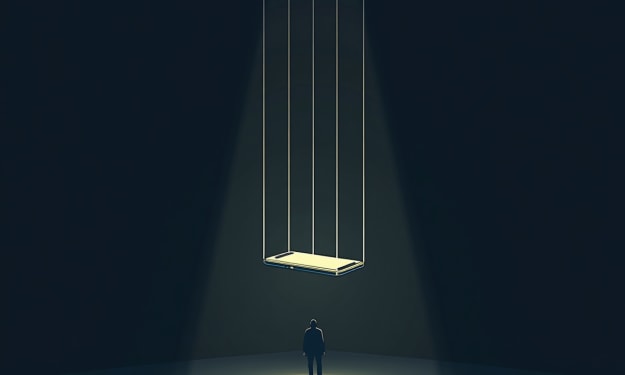
You are not empty. You are not broken. You are not dull. - You are overloaded. - People often describe certain mental states as “having nothing in their head,” but that description is almost always inaccurate. What feels like emptiness is usually saturation. The mind has not stopped producing content. It has lost spare capacity. The system is busy allocating energy toward coping, regulating, or enduring, and there is little left over for reflection, synthesis, or creativity. This distinction matters, because mistaking overload for emptiness leads people to judge themselves harshly for conditions that are largely structural and biological.
By Peter Thwing - Host of the FST Podcastabout a month ago in Psyche
Rewards, Punishments, and Your Phone: Are We Just Puppets?
You know how sometimes you read something and go, “Oh… so that’s why I keep doing that thing even when I know better”? That’s what this book by Yoesoep Edhie Rachmad, which is republished by the United Nations Economic and Social Council, found.
By Anie the Candid Mom Abroadabout a month ago in Psyche
Why Faster Technology Isn’t Always Better
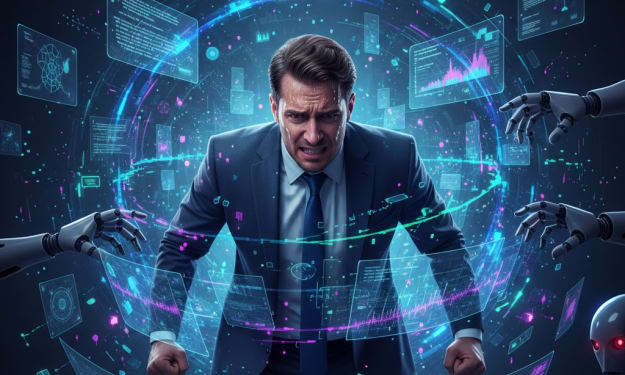
In today’s digital world, speed is often treated as the ultimate measure of progress. Faster processors, instant communication, real-time analytics, and lightning-quick apps promise efficiency, convenience, and innovation. Yet the reality is more nuanced: faster technology isn’t always better. In fact, in many cases, rapid adoption can create challenges for businesses, individuals, and society as a whole.
By Mind Meets Machineabout a month ago in Psyche
The Rise of AI Influencers and Virtual Humans: Fame Without a Face
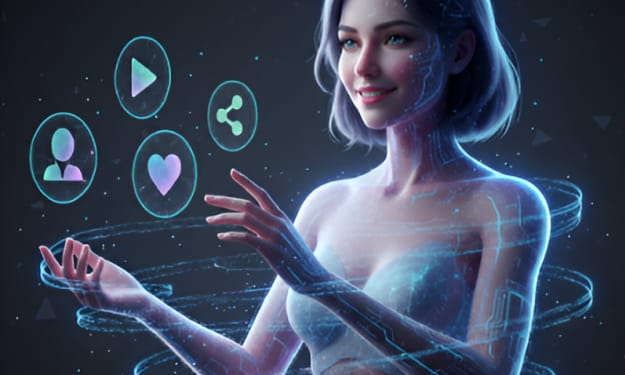
Scroll through Instagram, TikTok, or YouTube long enough and you may encounter a strange realization: some of the most polished, fashionable, and engaging “people” online aren’t people at all. They don’t age, get tired, make public mistakes, or disappear due to scandal. They are AI influencers—virtual humans designed to look relatable, aspirational, and endlessly consistent.
By Mind Meets Machineabout a month ago in Psyche
The Age of Solitude: Why More People Are Choosing to Be Alone—and What It Means for Society
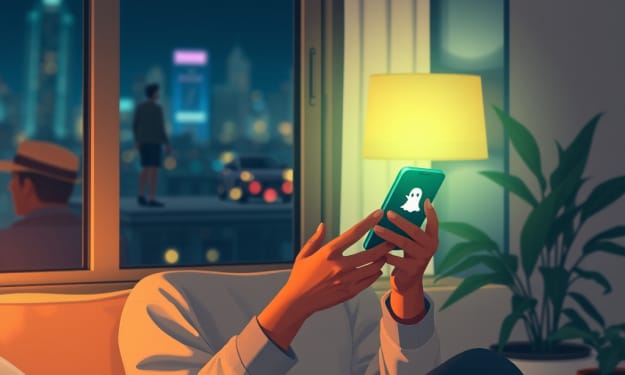
Introduction: The Quiet Revolution of Being Alone Being alone has never been easy. Throughout history, solitude has been conceived as loneliness—something to be pitied or feared, a condition of the rejected or unwanted. It was the opposite of belonging, an shadow cast by human failure to connect.
By The Chaos Cabinet2 months ago in Psyche
Etsy and the £50 Scented Candle
Whilst browsing the realms of Etsy in order to find some bespoke candles, I was shocked to discover one of the candles on the site was listed for £50 (around $67 at the time of writing). I wondered why and so I clicked ahead. It was a candle, shaped like a Greek Statue, smelling of vanilla (apparently, though I know you can't smell things through a screen and an open candle smells lacklustre for those of us who know our candles) and perched on a piece of plastic. Yes, it looked quite pretty but apart from pouring candle wax into a mould and waiting for the whole thing to dry before cracking the mould off, I'm not sure what the candlemaker did to make it worth £50.
By Annie Kapur2 months ago in Psyche