medicine
The medicalization of mental illness has given rise to many forms of pharmacological relief that restore chemical imbalances in one's brain.
Overthinking. Content Warning. AI-Generated.
I can't stop now. I just can't stop doing this. Dr. Julie Smith is a clinical psychologist with over three million followers. How does she handle stress, pressure, burnout, and overload? We face ideals to do everything perfectly. But that's impossible. We often turn to habits that give quick relief, like raiding the fridge or grabbing wine. The real fixes that last take effort right then. They mean sitting with the feeling, facing it, and using tools to get through.
By Liban Shabel18 days ago in Psyche
When Thinking Feels Like Action
There is a particular satisfaction that comes from understanding something clearly after wrestling with it for a long time. The mind settles. Tension releases. Pieces line up. In that moment, it can feel as though real movement has occurred, as though something meaningful has been accomplished. That feeling is not imagined. Cognitive resolution is a real event. The danger appears when that internal resolution is quietly mistaken for external change, and thinking begins to substitute for action rather than prepare the way for it.
By Peter Thwing - Host of the FST Podcast24 days ago in Psyche
A Headache, New Medication, and a Happy Outcome
As of Saturday, I had a headache. Again. Or maybe still? I had a new prescription that was finally approved that I was really hoping would help with my headache, but was a headache to be approved for in and of itself. The paperwork had been delayed by a week. The paperwork had been completed - and then rejected because one item wasn't "clearly" marked.
By The Schizophrenic Mom30 days ago in Psyche
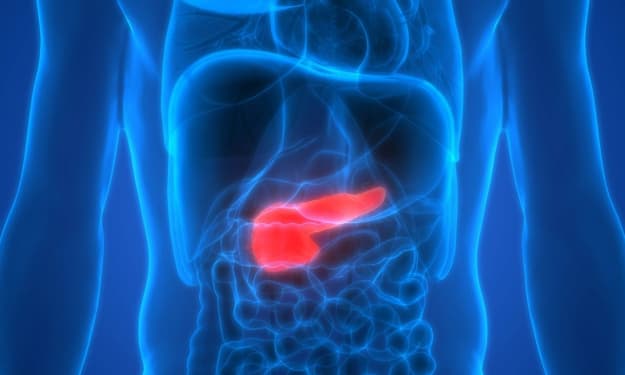
Pancreatic Cancer Cure: Truth, Hope, and Hard Questions
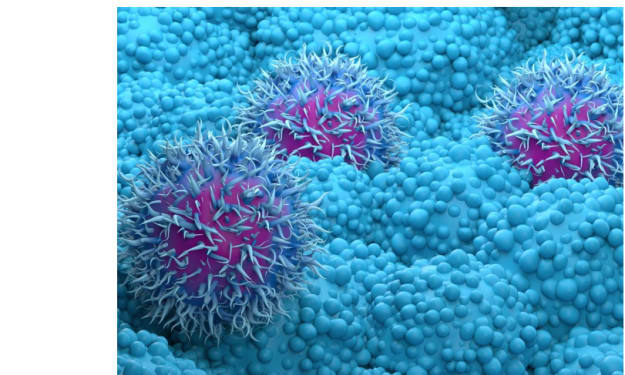
When people search for a pancreatic cancer cure, they are rarely just browsing. They are often scared, awake late at night, reading quietly while the house sleeps. This disease carries a heavy reputation, and the words around it feel sharp and final. But the full picture is more complex than the fear suggests. Outcomes are changing. Treatments are improving. Some patients do reach long-term survival, and in certain cases, doctors can remove the disease completely. Hope exists, but it lives beside realism, not fantasy. This article explains what a pancreatic cancer cure really means today, how treatment works, when cure is possible, and why research still matters deeply. Clear information does not remove fear, but it replaces confusion with understanding.
By Muqadas khanabout a month ago in Psyche
A new gadget translates stroke victims' silent speech
Some stroke victims are still able to move their lips and form words, but their speech is no longer understandable to others. With the promise to facilitate daily communication and restore some degree of independence in daily care, a soft, neck-worn gadget now seeks to translate those silent, laborious attempts into clear spoken utterances.
By Francis Damiabout a month ago in Psyche
Essence, Embodiment, and Relational Reality
The Failure of Reduction and the Need for Synthesis There is a persistent failure in many modern attempts to explain what a human being is. Some frameworks reduce the person entirely to matter, insisting that identity, consciousness, morality, and meaning are nothing more than emergent properties of physical processes. Other frameworks move in the opposite direction, detaching spirit from reason and grounding belief in intuition alone, often at the cost of coherence or accountability. Both approaches fail because both misunderstand essence. One denies that essence exists at all. The other treats it as something vague and undefinable.
By Peter Thwing - Host of the FST Podcastabout a month ago in Psyche
Resistance Is Not the Enemy
Iron sharpens iron. Brakes save lives. Friction preserves form. Modern culture treats resistance as failure. Anything that slows momentum is framed as obstruction, anything that introduces friction is assumed to be opposition, and anything that interrupts progress is labeled a setback. But this instinct misunderstands how both physical systems and human growth actually work. Resistance is not inherently hostile. In many cases, it is the only thing preventing collapse.
By Peter Thwing - Host of the FST Podcastabout a month ago in Psyche