
Global Reaction to US, Israeli Attacks on Iran
World leaders respond with alarm and calls for diplomacy amid escalating Middle East tensions.

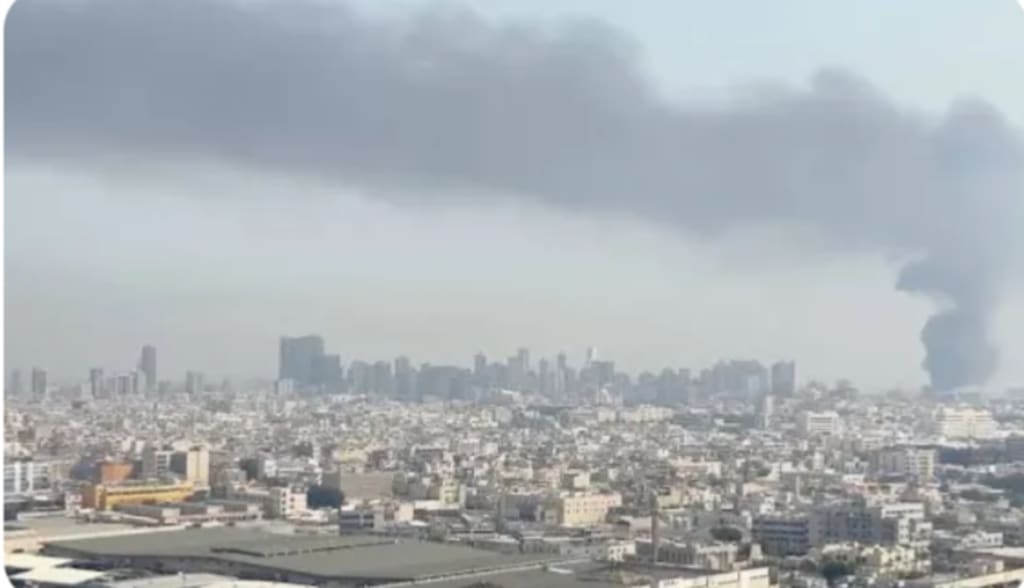
The world is watching with bated breath after the United States and Israel launched military strikes on targets in Iran earlier this week. Official statements describe the operations as necessary to counter perceived threats from Tehran’s nuclear and missile programs, but the attacks have triggered a wave of global reactions — ranging from outright condemnation to urgent calls for diplomacy.
The situation is tense, and the implications are far-reaching. From Washington to Moscow, Brussels to Beijing, the eyes of the world are fixed on how this crisis unfolds, with every statement, missile, or counterstrike adding to uncertainty.
The Immediate Fallout
Following the strikes, Iran responded with counterattacks targeting U.S. military positions and Israeli assets across the Gulf region. Countries including Bahrain, Qatar, Kuwait, the United Arab Emirates, and Jordan found themselves in the line of fire — at least indirectly — as Tehran warned that all American and Israeli facilities in the region are “legitimate targets.”
For ordinary people, these headlines are alarming. The Middle East has long been a hotspot for geopolitical tensions, but the recent escalation shows how quickly a conflict can spiral and affect countries far beyond Iran’s borders.
The UN Speaks Out
At the global level, the United Nations has called for immediate restraint. Secretary-General António Guterres warned that military action undermines peace and stability, urging all parties to return to dialogue. Meanwhile, humanitarian organizations like the International Committee of the Red Cross emphasized protecting civilians caught in the crossfire.
The UN’s message is clear: while governments weigh military and strategic options, the human cost must not be forgotten. Civilians often bear the brunt of these confrontations, and global leaders are being reminded that diplomacy cannot wait.
Europe’s Response: Diplomacy First
European leaders are particularly vocal about the need for restraint.
The European Union has called the strikes “deeply concerning,” urging all sides to act responsibly and avoid escalation.
French President Emmanuel Macron requested an urgent UN Security Council meeting, warning that the situation could destabilize the entire region.
The UK, France, and Germany emphasized returning to negotiations as the only viable way to prevent further violence.
Europe’s stance reflects both concern over regional security and an awareness that these attacks could destabilize global trade, energy supplies, and diplomatic relations.
Voices from the Global South
Outside Western capitals, reactions are varied.
Russia condemned the strikes as an “unprovoked act of aggression,” emphasizing Iran’s sovereignty.
China expressed concern and urged all sides to avoid escalation.
Pakistan called for a halt to military actions, advocating for peaceful dialogue.
Indonesia offered to facilitate talks while maintaining neutrality.
These responses show that the world is split along political and strategic lines, with nations weighing alliances, regional security, and historical ties in their statements.
Middle East Allies React
Countries in the Gulf are directly affected.
Saudi Arabia denounced Iran’s counterstrikes and pledged support to its allies in the Gulf.
Qatar and Kuwait called Iran’s missile attacks a breach of sovereignty.
Regional states are walking a tightrope — condemning attacks that threaten them while hoping to avoid being drawn into a broader war. Their responses reflect both fear and pragmatic caution.
The Call for Diplomacy
Amid all this, one theme is consistent: the need for diplomacy.
Even countries not directly involved stress restraint and negotiations. Norway, Sweden, Switzerland, and Ireland all urged peaceful solutions, while the African Union echoed similar sentiments.
It’s a reminder that while military action dominates headlines, the international community still hopes for dialogue and de-escalation.
Economic and Global Implications
The conflict isn’t only political — it has economic consequences too.
Oil markets reacted sharply to the strikes and counterstrikes, with fears of disruption in the Strait of Hormuz, a vital global transit route.
Any prolonged instability could push energy prices higher, affecting economies worldwide.
Tourism, trade, and regional investments may also feel the ripple effects if the crisis deepens.
Every escalation in the Middle East has global consequences, and even temporary disruptions can impact markets, supply chains, and energy security.
What This Means for the World
The international reaction highlights a divided world. Some countries see the attacks as necessary to neutralize threats. Others see them as violations of international law that risk sparking a broader war.
What’s clear is that diplomacy will need to take the lead sooner rather than later. With the world watching, every decision now carries weight far beyond the battlefield.
Looking Ahead
The coming days will be crucial. Will the U.S. and Israel maintain their current strategy? Will Iran continue retaliatory actions? Can global powers mediate before tensions spiral further?
Travel advisories, market fluctuations, and news cycles will likely continue reflecting the crisis, making it essential for civilians, businesses, and governments to stay informed.
For now, the world holds its breath, hoping for calm, but preparing for continued turbulence.
Conclusion
The US and Israeli attacks on Iran have shaken the global stage. From security concerns to diplomatic maneuvers, from economic implications to humanitarian alarms, the crisis is a stark reminder of how fragile international stability can be.
As leaders weigh their next moves, the global community watches, hoping that dialogue and diplomacy prevail over further conflict.
The story is unfolding, and the consequences will be felt far beyond the Middle East — in markets, in policies, and in everyday lives worldwide.
About the Creator
Sajida Sikandar
Hi, I’m Sajida Sikandar, a passionate blogger with 3 years of experience in crafting engaging and insightful content. Join me as I share my thoughts, stories, and ideas on a variety of topics that matter to you.
Keep reading
More stories from Sajida Sikandar and writers in The Swamp and other communities.
Delta Pauses Flights Between New York-JFK and Tel Aviv Through March 1
Delta Air Lines has announced a temporary suspension of its direct flights between New York-JFK and Tel Aviv, extending the pause through March 1. The decision comes amid ongoing security concerns and operational challenges in the region, highlighting the continued impact of geopolitical instability on international air travel.
By Sajida Sikandar3 days ago in The Swamp
The Saddest Thing - The Billionaires Who Rule America Aren't Even Enjoying Themselves
This single post says more about our ruling class than a thousand policy papers. The saddest thing about today's system is that the men robbing the rest of us - sabotaging our economic prospects, our pensions, our access to affordable healthcare - are not even happy.
By Scott Christenson🌴25 days ago in The Swamp



Comments
There are no comments for this story
Be the first to respond and start the conversation.