
China Calls for Protection of Vessels in the Strait of Hormuz as Shipping Costs Surge
Beijing Urges Maritime Security as Middle East Tensions Disrupt Global Trade and Energy Markets
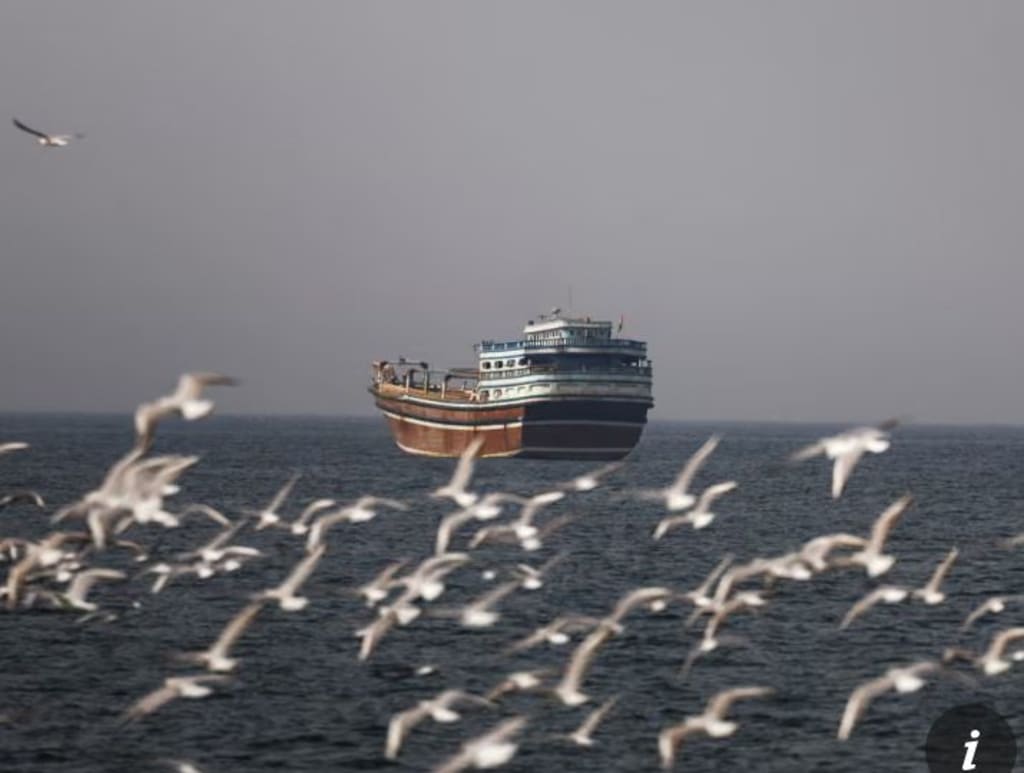
As geopolitical tensions intensify in the Middle East, China has issued a strong call for the protection of vessels navigating the Strait of Hormuz — one of the world’s most strategically vital maritime corridors. With shipping costs climbing sharply and insurers pulling back coverage, the stability of this narrow waterway has become a matter of urgent international concern.
The appeal from Beijing highlights a deeper truth: when conflict disrupts the Strait of Hormuz, the consequences ripple across global markets, energy supplies, and household budgets worldwide.
Why the Strait of Hormuz Matters So Much
The Strait of Hormuz sits between Iran and Oman, linking the Persian Gulf to the Arabian Sea. Despite its relatively narrow width, it carries nearly one-fifth of the world’s seaborne oil trade, along with massive volumes of liquefied natural gas (LNG). For major energy importers — including China, Japan, India, and several European nations — this route is indispensable.
Any disruption here doesn’t just affect regional trade. It shakes the foundations of the global economy.
Over the past week, escalating military tensions involving Iran, the United States, and Israel have raised fears of potential blockades or direct attacks on commercial vessels. Reports of threats against shipping traffic have prompted many carriers to reconsider transiting the strait altogether.
China’s Urgent Appeal
China, the world’s largest importer of crude oil, has significant stakes in ensuring safe passage through the Strait of Hormuz. A substantial share of its oil imports originates from Middle Eastern producers, making uninterrupted maritime flow essential for its economic stability.
In response to the growing crisis, Chinese officials have urged all parties to:
Exercise restraint
Avoid escalating military actions
Ensure the safety of civilian and commercial vessels
Maintain open international shipping lanes
Beijing has emphasized that freedom of navigation in the strait is not only a regional issue but a global economic necessity. The statement underscores China’s dual interests — maintaining stable relations with Iran while also protecting broader global trade networks.
Shipping Costs Reach Alarming Levels
As security risks intensify, freight markets have reacted dramatically.
The cost of chartering large oil tankers from the Gulf to Asia has surged to unprecedented levels. Some daily rates have reportedly soared above $400,000 — figures rarely seen outside extreme crisis conditions. These price spikes reflect:
Elevated war-risk insurance premiums
Increased fuel costs due to rerouting
Longer voyage times around alternative paths
Reduced vessel availability
Many shipping companies are opting to reroute vessels around the Cape of Good Hope in southern Africa — a significantly longer and more expensive journey. While this avoids the immediate threat zone, it adds weeks to transit times and compounds global supply chain pressures.
Insurance Companies Pull Back
Perhaps even more concerning is the reaction from maritime insurers. War-risk coverage — essential for vessels operating in high-risk regions — has either become prohibitively expensive or temporarily withdrawn by some insurance providers.
Without valid insurance coverage, commercial ships cannot legally or financially justify passing through the Strait of Hormuz. This creates a dangerous cycle:
Rising tensions increase perceived risk.
Insurance premiums skyrocket.
Ships avoid the region.
Freight capacity tightens.
Costs surge even further.
The result is a strain not only on energy shipments but also on broader commodity markets.
Global Energy Markets Feel the Shock
Oil prices have already reacted to the instability. Even the threat of restricted access to the Strait of Hormuz tends to send crude prices climbing. Markets fear supply bottlenecks, and traders quickly factor geopolitical risk into pricing.
Higher oil prices translate into:
Increased fuel costs
Rising transportation expenses
Higher manufacturing costs
Greater inflationary pressure
For economies already managing inflation concerns, the timing could hardly be worse.
Asian nations heavily dependent on Middle Eastern oil imports are closely monitoring developments. Strategic petroleum reserves may offer short-term buffers, but prolonged disruption would strain energy security planning across the region.
Beyond Oil: Broader Trade Implications
While oil dominates headlines, the impact extends far beyond crude shipments.
The Persian Gulf region handles a variety of cargo, including:
Petrochemicals
Industrial goods
Agricultural commodities
Consumer products
Emergency surcharges are being imposed by shipping lines operating near the Gulf. These costs eventually trickle down to importers, retailers, and ultimately consumers.
In an era where global supply chains are still recovering from pandemic-era disruptions, another chokepoint crisis could further destabilize trade networks.
China’s Strategic Position
China’s involvement carries particular weight. As a major global economic power with strong ties to both Middle Eastern producers and Western markets, Beijing finds itself in a delicate diplomatic position.
On one hand, China maintains important energy and infrastructure partnerships with Iran. On the other, it relies on stable global trade systems that benefit from Western cooperation and open sea lanes.
By publicly calling for the protection of vessels in the Strait of Hormuz, China is signaling that economic stability must outweigh military escalation.
The message is clear: safeguarding global trade routes is in everyone’s interest.
What Happens Next?
The future of shipping through the Strait of Hormuz depends largely on diplomatic developments in the coming days and weeks. If tensions de-escalate, traffic could resume relatively quickly. However, prolonged instability would likely lead to:
Sustained high freight rates
Persistent oil price volatility
Heightened military presence in the Gulf
Ongoing insurance restrictions
Global markets are watching closely. Even temporary disruptions in such a crucial waterway can reshape trade patterns for months.
A Fragile Artery of Global Commerce
The situation in the Strait of Hormuz serves as a stark reminder of how interconnected the modern world has become. A narrow strip of water between two nations can influence everything from gasoline prices in the United States to electricity costs in Asia.
China’s call for vessel protection reflects broader international anxiety about maintaining safe and open maritime trade routes. In a world dependent on energy flows and global supply chains, stability in critical chokepoints like the Strait of Hormuz is not optional — it is essential.
As shipping costs soar and geopolitical tensions simmer, the question remains whether diplomacy can prevail over confrontation. The answer will shape not just regional security, but the trajectory of the global economy in the months ahead.
About the Creator
A Gathering of Evil Bosses
“I’m the queen of chin jutting while I smooth my hair, attacking, insulting, and deflecting to protect my appointer.” “Oh, please, Blondi, my hair is curled, highlighted, and longer than yours. I feature television commercials telling immigrants that we will give them a free plane ride home, and if they voluntarily turn themselves in, they will be allowed to legally apply for re-entry. It runs everywhere, and I look good in it! You can’t compete because of your blond hair. Mine is nicer, and my lips are prettier than yours.”
By Andrea Corwin 13 days ago in The Swamp




Comments
There are no comments for this story
Be the first to respond and start the conversation.