
Gold Retreats on Strong Dollar, Tempered Rate-Cut Bets
Rising U.S. currency strength and cautious central bank outlook push gold prices lower as investors reassess safe-haven demand.

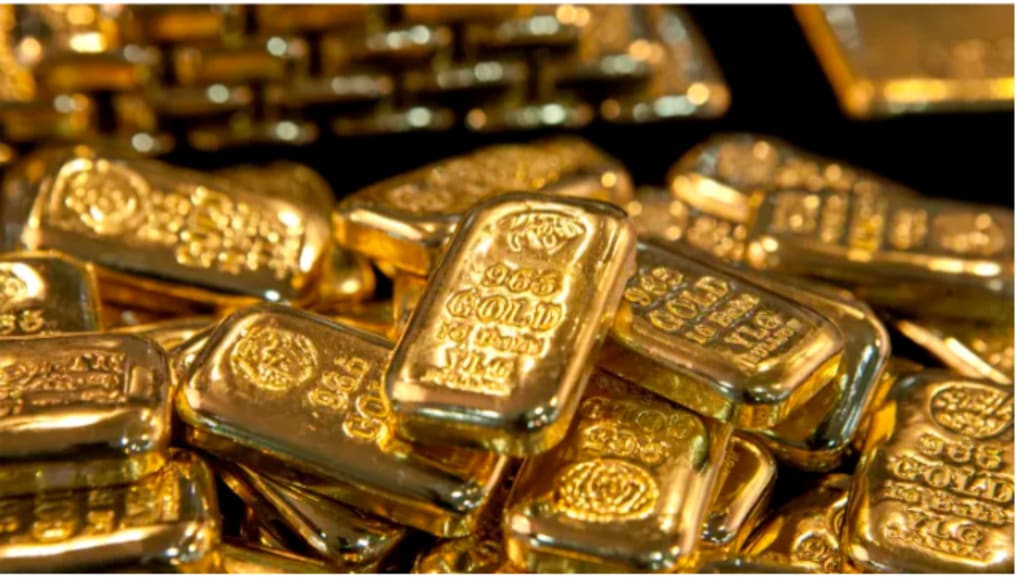
Gold, long considered a refuge during times of uncertainty, has recently slipped from its highs as the U.S. dollar strengthens and expectations for interest rate cuts grow more cautious. The shift reflects a changing mood in global financial markets, where optimism about economic resilience is reducing demand for traditional safe-haven assets.
For weeks, gold prices had been buoyed by geopolitical tensions and hopes that central banks—especially the Federal Reserve—would soon begin cutting interest rates. However, a firmer dollar and persistent inflation concerns have forced investors to reconsider those assumptions, sending gold prices retreating from recent peaks.
The Dollar’s Strength Weighs on Gold
One of the biggest drivers behind gold’s decline is the rising strength of the U.S. dollar. Because gold is priced in dollars globally, a stronger dollar makes the metal more expensive for buyers using other currencies. This often leads to reduced demand and downward pressure on prices.
Recently, economic data from the United States has surprised markets on the upside. Employment numbers have remained solid, consumer spending has shown resilience, and inflation has cooled more slowly than expected. Together, these factors have reinforced confidence in the U.S. economy and boosted the dollar’s appeal among investors.
As currency markets rallied, gold lost some of its shine. Traders who had previously turned to gold as a hedge against economic uncertainty began shifting funds back into dollar-based assets, such as bonds and equities.
Rate-Cut Expectations Lose Momentum
Another major influence on gold prices is the outlook for interest rates. Gold does not generate yield or interest, so it tends to perform better when rates are low. When investors believe that central banks will cut rates, gold becomes more attractive compared to bonds and savings instruments.
Earlier this year, markets were betting heavily on multiple rate cuts from the Federal Reserve. However, recent statements from policymakers have suggested a more cautious approach. Officials have emphasized that inflation must be firmly under control before any easing begins, and that premature cuts could reignite price pressures.
This more conservative stance has tempered enthusiasm for gold. Investors who were positioning for aggressive rate reductions are now adjusting their strategies, reducing exposure to precious metals and favoring assets that benefit from higher or stable interest rates.
Inflation: Still a Wild Card
Inflation remains a critical variable in gold’s outlook. Historically, gold is seen as a hedge against rising prices, preserving purchasing power when currencies weaken. Yet the current environment presents a paradox: inflation is still elevated in many regions, but central banks are not ready to declare victory.
This uncertainty has created mixed signals for gold traders. On one hand, lingering inflation risks support the case for holding gold. On the other, firm monetary policy and a strong dollar undermine its appeal.
Market analysts note that gold’s recent retreat does not necessarily signal a long-term reversal. Instead, it reflects short-term adjustments in response to changing expectations around inflation and monetary policy.
Investor Sentiment Shifts
Investor behavior has also played a role in gold’s pullback. Over the past year, gold attracted significant inflows as fears of recession, banking stress, and geopolitical conflict dominated headlines. As some of these fears ease—at least temporarily—investors are reallocating capital toward equities and other growth-oriented assets.
Stock markets in major economies have shown renewed strength, further reducing demand for safe havens. When confidence rises, gold often struggles to compete with assets that promise higher returns.
At the same time, speculative trading has amplified gold’s movements. Futures markets and exchange-traded funds tied to gold prices have seen reduced buying interest as traders lock in profits from earlier rallies.
Global Factors at Play
Beyond the U.S., global economic conditions are influencing gold prices as well. In Europe and parts of Asia, central banks are also grappling with inflation while trying to avoid slowing growth too sharply. Diverging policies between regions have strengthened the dollar relative to other currencies, indirectly pressuring gold.
Additionally, China’s economic recovery has been uneven, affecting physical demand for gold in one of the world’s largest consumer markets. Jewelry sales and industrial demand have not fully rebounded to pre-slowdown levels, adding another layer of weakness to prices.
Meanwhile, geopolitical tensions continue to simmer in various parts of the world. While such events usually support gold, their influence has been overshadowed by monetary policy and currency dynamics in recent weeks.
What This Means for the Gold Market
Gold’s retreat highlights how sensitive the metal is to changes in interest rate expectations and currency strength. Even small shifts in Federal Reserve messaging can trigger noticeable price movements.
For long-term investors, this period may represent consolidation rather than collapse. Gold still plays an important role as a portfolio diversifier and a hedge against extreme uncertainty. However, in the short term, its direction will likely depend on upcoming economic data and central bank decisions.
If inflation shows clearer signs of cooling and the Federal Reserve signals confidence in cutting rates later in the year, gold could regain momentum. Conversely, if the dollar continues to strengthen and rates remain higher for longer, gold may face continued pressure.
Looking Ahead
The outlook for gold remains finely balanced between opposing forces. A strong dollar and tempered rate-cut bets are pulling prices down, while inflation risks and geopolitical tensions provide underlying support.
Investors now await key economic reports and policy meetings that could reshape expectations once again. Each inflation reading, employment report, or central bank statement has the potential to move gold sharply in either direction.
Ultimately, gold’s recent retreat serves as a reminder that even the most traditional safe-haven assets are deeply connected to modern financial dynamics. In a world driven by central bank policy and currency fluctuations, gold is no longer just a symbol of stability—it is a reflection of market psychology itself.
For now, the metal stands at a crossroads. Whether it resumes its upward climb or continues to soften will depend on how the delicate balance between the dollar, interest rates, and global uncertainty unfolds in the months ahead.
About the Creator
Sajida Sikandar
Hi, I’m Sajida Sikandar, a passionate blogger with 3 years of experience in crafting engaging and insightful content. Join me as I share my thoughts, stories, and ideas on a variety of topics that matter to you.
Keep reading
More stories from Sajida Sikandar and writers in Journal and other communities.
China’s Top Political Advisory Body Convenes Standing Committee Session
China’s political calendar has once again drawn global attention as the country’s top political advisory institution convened a high-level meeting to discuss national priorities and policy direction. The Standing Committee of the Chinese People’s Political Consultative Conference (CPPCC) gathered in Beijing for a crucial session aimed at reviewing proposals, strengthening political unity, and shaping the agenda ahead of key national decisions.
By Sajida Sikandar2 days ago in Journal
This Is What I Do When People Throw Rocks At Me
Rocks have been thrown at me for a greater part of my life. Some have been small and missed hitting me. When people don't get a reaction from me, they throw bigger rocks with a better aim. Many have been hurled at me with precision over the years. For a long time, I thought my only options were to dodge them or be crushed by them.
By Margaret Minnicks6 days ago in Confessions



Comments
There are no comments for this story
Be the first to respond and start the conversation.