
Remote Patient Monitoring Services: Transforming Connected Healthcare
Remote patient monitoring services improve chronic care, reduce hospital visits, enhance patient engagement, and support CMS reimbursement models.

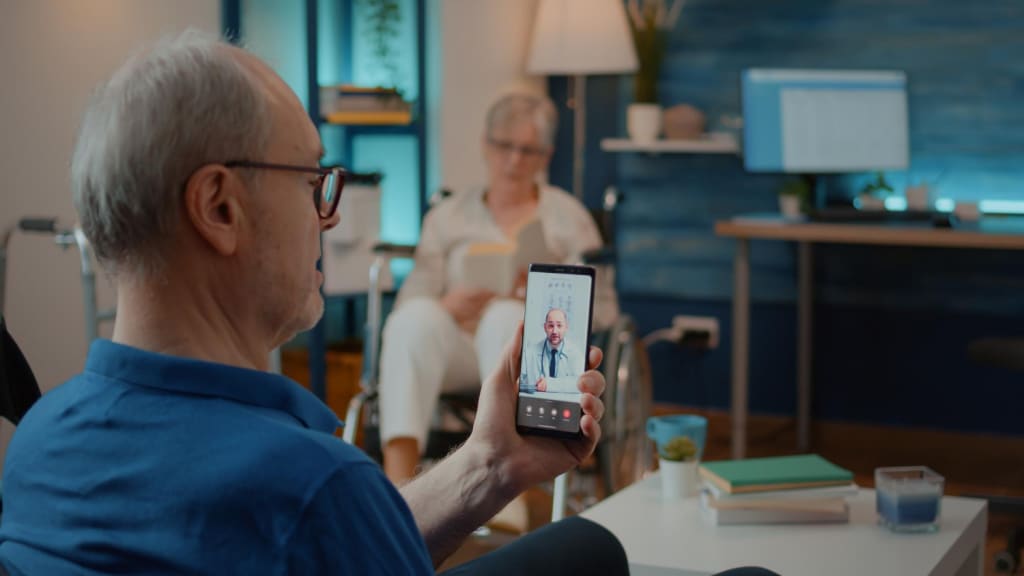
Healthcare is rapidly evolving beyond traditional in-office visits. With the rise of chronic diseases and the growing demand for convenient care, remote patient monitoring services have become a critical component of modern healthcare delivery. These services allow providers to track patient health data in real time, improve outcomes, and reduce unnecessary hospital visits.
As value-based care models continue to expand, remote patient monitoring services are helping healthcare organizations deliver proactive, patient-centered care.
What Are Remote Patient Monitoring Services?
Remote patient monitoring (RPM) services involve the use of digital devices and technology platforms to collect and transmit patient health data from home to healthcare providers. These services enable continuous monitoring of vital signs and chronic conditions without requiring frequent in-person appointments.
- Commonly monitored metrics include:
- Blood pressure
- Blood glucose levels
- Heart rate
- Oxygen saturation
- Weight
- ECG readings
Remote patient monitoring services help providers identify early warning signs and intervene before conditions worsen.
How Remote Patient Monitoring Services Work
Remote patient monitoring services combine connected medical devices, cloud-based software, and clinical oversight.
1. Device Setup
Patients receive FDA-approved monitoring devices that automatically collect health data.
2. Secure Data Transmission
Data is transmitted securely to a centralized platform accessible by care teams.
3. Clinical Review
Healthcare professionals review patient data regularly to identify abnormal readings or trends.
4. Proactive Intervention
If concerning changes are detected, providers contact patients to adjust treatment plans or recommend further evaluation.
5. Documentation and Billing
All monitoring activities are documented to support reimbursement under applicable CPT codes such as 99453, 99454, 99457, and 99458.
Benefits of Remote Patient Monitoring Services
Improved Chronic Disease Management
Continuous tracking helps manage conditions like hypertension, diabetes, and heart disease more effectively.
Reduced Hospitalizations
Early detection of abnormal readings lowers emergency room visits and hospital admissions.
Enhanced Patient Engagement
Patients become more involved in their health by regularly tracking their vital signs.
Increased Revenue Opportunities
Proper documentation enables reimbursement for RPM services under CMS guidelines.
Greater Convenience
Patients can receive high-quality care from home, reducing travel and appointment burdens.
Why Remote Patient Monitoring Services Matter in 2026
Healthcare systems are prioritizing preventive care and cost reduction. Remote patient monitoring services align with these goals by enabling early intervention and reducing avoidable complications.
RPM services also support:
- Value-based care initiatives
- Population health management
- Improved quality reporting metrics
- Better patient satisfaction scores
As telehealth adoption continues to grow, RPM services are becoming a standard part of comprehensive care strategies.
Key Features to Look For
When evaluating remote patient monitoring services, providers should consider:
- Device Reliability
- Devices must be accurate, FDA-approved, and user-friendly.
- EHR Integration
- Seamless integration improves documentation and workflow efficiency.
- Real-Time Alerts
- Automated alerts notify care teams of abnormal readings.
- Data Security
- HIPAA-compliant systems with encryption and secure access controls are essential.
- Reporting and Analytics
Dashboards provide insights into patient trends and program performance.
Frequently Asked Questions
Who qualifies for remote patient monitoring services?
Patients with chronic conditions or those requiring close health supervision are typically eligible under CMS guidelines.
Are remote patient monitoring services reimbursable?
Yes. CMS provides reimbursement for RPM services when documentation and time requirements are met.
Can small practices implement RPM services?
Yes. Many scalable RPM solutions are designed for both small clinics and large healthcare systems.
The Future of Remote Patient Monitoring Services
Advancements in wearable devices, artificial intelligence, and predictive analytics will further enhance remote patient monitoring services. AI-driven insights will help identify high-risk patients earlier, enabling even more proactive care.
As healthcare continues shifting toward patient-centered and technology-enabled models, remote patient monitoring services will remain a cornerstone of modern care delivery.
Conclusion
Remote patient monitoring services are revolutionizing healthcare by enabling continuous, proactive, and data-driven patient care. By improving chronic disease management, reducing hospitalizations, and supporting value-based reimbursement models, RPM services offer both clinical and financial benefits.
For healthcare providers seeking to enhance patient outcomes while maintaining operational efficiency, remote patient monitoring services represent a strategic investment in the future of connected care.
About the Creator
Keep reading
More stories from Tracee Jones and writers in Humans and other communities.
Advanced Primary Care Management Services: Strengthening Value-Based Primary Care
Primary care practices are facing growing pressure to manage chronic diseases, improve preventive care outcomes, and meet value-based reimbursement requirements. Traditional visit-based care models often leave gaps in follow-up, coordination, and patient engagement. Advanced Primary Care Management Services offer a comprehensive solution by combining structured care coordination, technology integration, and compliance-focused workflows.
By Tracee Jonesabout 3 hours ago in Journal
Real-World Advice For Singles Looking To Build Deep Emotional Connections
A meaningful relationship of emotion starts with getting to know what emotional intimacy is. Emotional connection does not only come through the activities they share but also they entail vulnerability, trust, empathy. Single people have to understand their emotional needs and explain them to their potential partners in an effective manner. Knowing the attachment style, previous patterns of relationships and triggers of emotions are useful in establishing genuine relationships. Emotional intelligence enables people to select the types of partners, who are compatible and can support them as well as fulfill their emotional needs. The ability to self-monitor their emotions and their expectations enables singles to establish a solid basis on which relationships are founded on the deeds of trust, understanding, and pure emotional interest.
By Emeri Adames5 days ago in Humans




Comments
There are no comments for this story
Be the first to respond and start the conversation.