
The Transgender Activist Who Met The Ayatollah
The story of how trans rights became recognised in Iran, one of the world’s most hardline theocratic societies

Since the Islamic Revolution in 1979, Iran has been viewed as an authoritarian theocracy. Religious doctrine dominated policy and many democratic freedoms were curtailed. Women were forced to cover their heads, music and films were strictly regulated and same-sex relationships carried severe punishments including the possibility of death.
Interestingly despite these hardline restrictions, Iran is also among the earliest countries to formally legalise gender affirming surgery for trans individuals. In fact, Iran has had these laws for over four decades, placing it in a unique position in its own region and even globally.
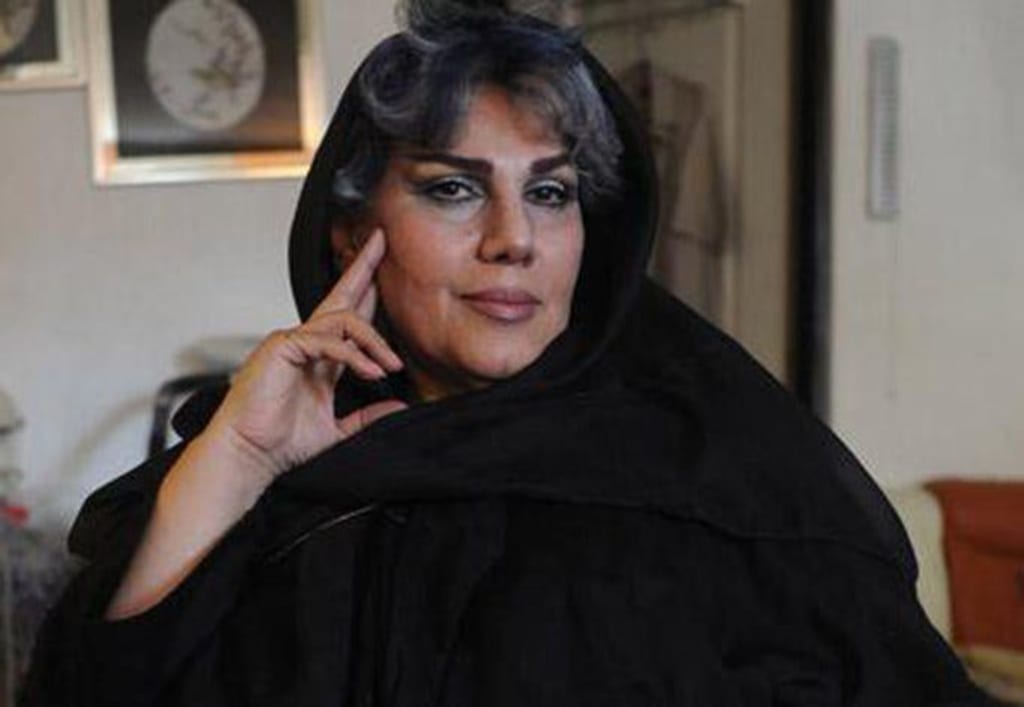
It raises the question as to how one of the world’s most religiously conservative nations, often accused of repression and human rights violations, reached such a stance. The answer can be found through the life and times of Maryam Khatoon Molkara, Iran’s pioneer trans rights activist.
Wanting to live as the gender she identified with, Molkara embarked on a mission to have trans rights recognised in the hardline Islamist nation. Becoming the first Iranian to legally transition, Molkara’s goals were not accomplished through rebellion, violence or martyrdom but through direct dialogue with Iran’s most powerful figures. Let us explore her journey and how a meeting with Iran’s Supreme Leader Ayatollah Khomeini led to the legalisation of gender affirming surgery in Iran.
Early Life
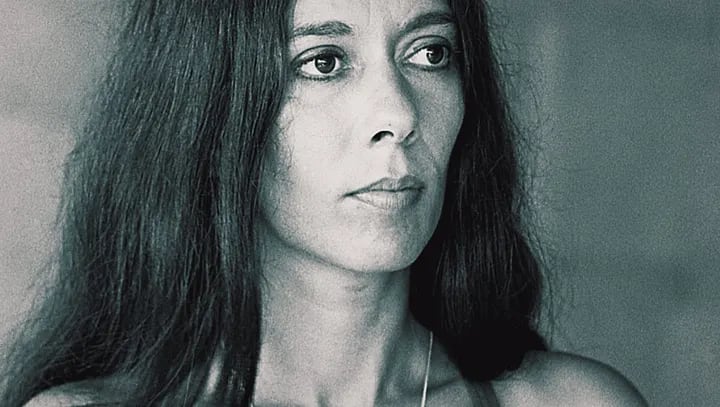
Born Fereydoon Molkara in 1950, Maryam Molkara grew up in a rural village in Iran. Her father was a landowner with eight wives and Molkara was the only child of his second marriage. Designated a male at birth, Molkara adopted feminine mannerisms from a very young age.
Bullied for her preference of toys, clothing and habits traditionally associated with girls, Molkara would put chalk on her face in place of make-up and in her teens, would begin dressing as a woman. Rejected by her mother after coming out as a trans person, Molkara would begin living publicly as a woman and started taking feminising hormones.
At the age of 25, she went to London. It was there where she understood the greater complexities of her gender identity and discovered the existence of gender affirming surgery. Wanting to reconcile her gender identity with her Muslim faith, Molkara began reaching out to prominent Iranian clerics and religious leaders for advice. Her correspondences appeared encouraging but did not lead to any firm conclusion. However, this allowed her to establish and maintain contact with individuals who would become very powerful in the years to come.
Molkara sought to reach out to Ruhollah Khomeini who at the time was living in exile in Paris. She was particularly touched by Khomeini’s writings on permitting gender affirming surgery for intersex people and hermaphrodites. She hoped that he could elaborate further on his stance in order to clarify if she would fall under a similar category of persons.
Her correspondence with Khomeini was unsuccessful and a further attempt to meet him in person in Paris had also failed. However, Molkara was able to meet then-Empress of Iran, Farah Pahlavi. The empress supported Molkara’s decision to pursue gender affirming surgery but before anything further could come of it, the Islamic Revolution took place.
Meeting The Ayatollah
While her gender identity had already left her a social pariah, Iran’s Islamic Revolution brought about new obstacles and challenges for Molkara. She was fired from her job in Iran’s national TV and radio station, made to wear men’s clothes and even forcefully injected with male hormones.
Molkara was then imprisoned in a psychiatric facility. Fortunately for her, many of the religious leaders she had previously corresponded with had risen to become powerful figures in Iran’s new government. One such person was Ali Akbar Hashemi Bahramani Rafsanjan, a cleric Molkara had written to who would later serve as Iran’s fourth President. Thanks to her connections, Molkara was able to secure her release.
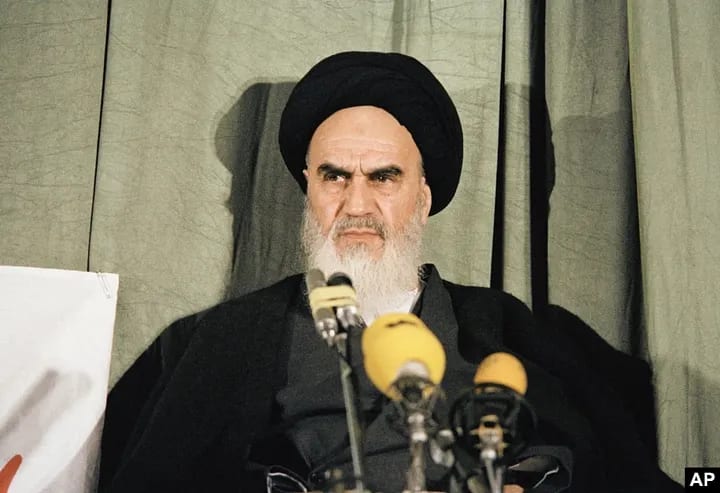
Once again, she was urged by her contacts to seek out Khomeini who by this point had risen as Iran’s Supreme Leader. If she wanted her gender identity to be formally recognised, only a person in Khomeini’s position had the authority to make it happen.
Dressed in a male suit and wielding a Quran in her hand, Molkara made her way to Khomeini’s fortified compound in Tehran. Tying shoes around her neck to symbolise that she was seeking refuge, Molkara was brutally beaten by Khomeini’s guards who were suspicious that she was carrying explosives or concealing weapons in her chest.
The beating continued until Khomeini’s brother and son intervened. Taking her into their house, she asserted that she was a woman and revealed that she was wearing a binder to conceal her breasts which had now been fully formed as a result of the hormones she was taking. Moved by her story, they allowed her to meet the Ayatollah face to face.
Describing her meeting with him as “paradise”, she told Khomeini her entire life story. The Ayatollah then consulted with a number of doctors to work out the medical intricacies of gender affirming surgery. Following this, he concluded that Molkara required the surgery in order to live as a proper Muslim woman.
This resulted in Khomeini issuing a fatwa or a religious declaration stating that gender affirming surgery did not go against Islamic Law. While fatwas are generally non-binding legal opinions, they are given extraordinary weight in Iran due to the Supreme Leader’s status as both the leading religious authority and de-facto Head of State. Thus, Khomeini’s declarations had effectively shaped policy and legislation.
Khomeini’s fatwa allowed for Molkara to become legally recognised as a woman. All her records were amended to list her as a female and she was allowed to marry a man as her relationship was deemed a heterosexual one.
Unsatisfied with the standard of gender affirming surgery in Iran, she underwent surgery in Thailand with the medical costs borne by the Iranian government. She became the first legally recognised trans person in Iran to undergo gender affirming surgery and spent the rest of her life as a fierce advocate for trans rights in Iran.
Molkara pushed for not only recognition for trans individuals but also for greater research into gender affirming care, more affordability for surgery and less social stigma for her community. She continued her advocacy until her death from a heart attack in 2012.
Trans Rights In Iran Today
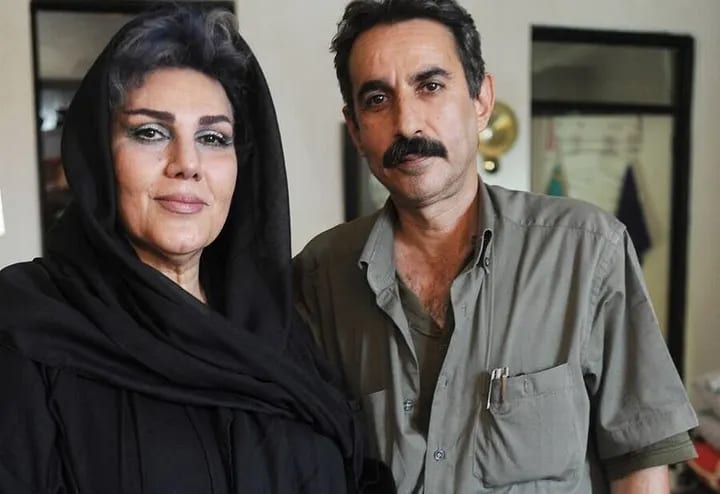
Viewed as the matriarch of Iran’s transgender community, Molkara’s efforts have allowed for the decriminalisation of gender affirming surgery. In fact, people have gone to Iran from various other nations in order to carry out such operations there. The Iranian government also provides financial assistance to certain citizens if they meet the criteria for gender affirming surgeries.
In addition to the surgeries itself, trans individuals in Iran are also able to have their birth certificates and documents amended to reflect their identities. Trans women who have undergone gender reassignment surgery are also able to compete in women’s sports.
However, it should be noted that while Molkara’s efforts have indeed broken down barriers, the reality of the situation still remains complicated. Molkara herself was someone who was far more connected and influential than the average Iranian and thus may likely have avoided much of the discrimination that continues to adversely affect trans Iranians today.
While decriminalised, the stigma remains strong against the trans community as the reason for this decriminalisation lies not in acceptance or solidarity but by viewing gender dysphoria as an illness. Based on Khomeini’s fatwa, trans individuals are not viewed as deviant but as sick and that gender affirming surgery is the only treatment that can cure them.
Trans Iranians remain discriminated against in their daily lives and are often urged to not disclose their identities as trans people publicly. They are often cut off from their families, face difficulties finding work and are not allowed to serve in the military. There have also been allegations that gender affirming surgery has been used to pressure homosexuals or crossdressers into avoiding prosecution. It is for this reason that the suicide and migration rates for trans people in Iran remain high.
That being said, Iran remains ahead of most other countries in the region in its recognition of trans rights. While far from perfect, it remains an interesting historical footnote that a nation with as hardline views as Iran, were quick to decriminalise gender affirming surgery, a practice still outlawed in many other more progressive leaning nations.
It is for this reason that Maryam Khatoon Molkara will forever go down in history as not only a trans icon but as a person who highlights the importance of perseverance, determination and dialogue in the face of adversity. She sought not to disrupt the system but to align both her beliefs and gender identity within it.
Unwilling to compromise on her faith, gender identity or resign herself to being a martyr or dissident, she navigated a turbulent political climate and engaged directly with the powers that be to ensure that the rights of her and her community became lawfully recognised.
About the Creator
Isa Nan
Written accounts of life, death and everything in between
A Planetary Alignment will coincide with Mercury Retrograde
Double phenomena in the heavens Some people say in jest that the planets have aligned in their favor when life works the way they desire. Were you aware that there are seasons when things do line up in the heavens? There will be a planetary alignment AKA a planet parade, on February 28, 2026.
By Cheryl E Preston6 days ago in FYI
This Is What I Do When People Throw Rocks At Me
Rocks have been thrown at me for a greater part of my life. Some have been small and missed hitting me. When people don't get a reaction from me, they throw bigger rocks with a better aim. Many have been hurled at me with precision over the years. For a long time, I thought my only options were to dodge them or be crushed by them.
By Margaret Minnicks6 days ago in Confessions



Comments
There are no comments for this story
Be the first to respond and start the conversation.