
Crude Oil Prices and the Cost of Everyday Survival
Every morning, before most of us check the weather, global markets are already reacting to crude oil prices.

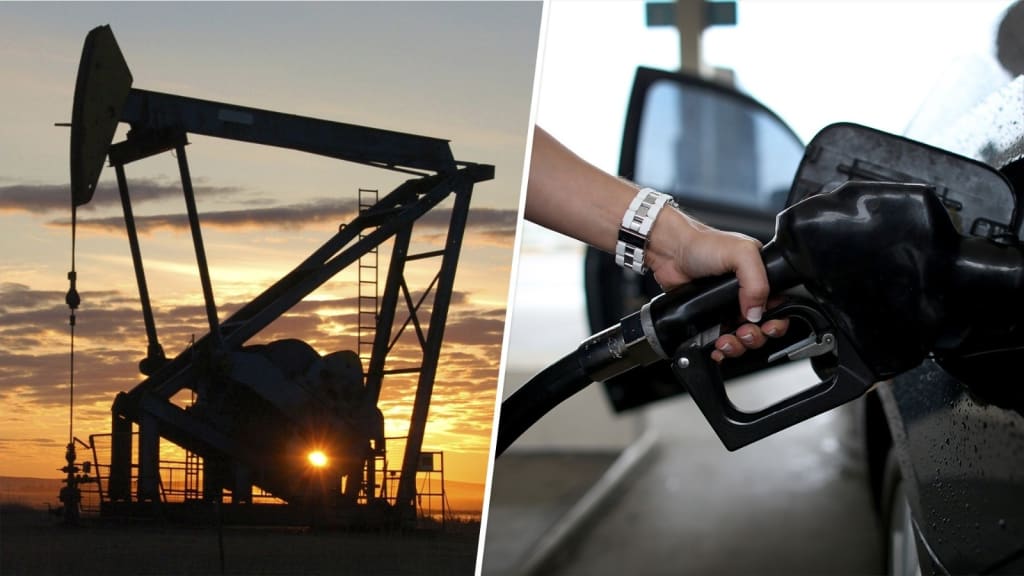
Every morning, before most of us check the weather, global markets are already reacting to crude oil prices. The numbers rise and fall quietly on trading screens, yet they shape how we live. They influence how much it costs to drive to work, ship groceries across states, or heat a small apartment during winter.
When crude oil prices climb, families feel it in subtle but painful ways. A higher fuel bill. A more expensive flight home. Groceries that cost just a little more each week. When prices fall, there is relief, but also uncertainty for workers whose jobs depend on the energy sector.
Crude oil prices are not distant economic data. They are tied to daily survival, global stability, and the fragile balance of supply and demand that keeps the world moving.
Understanding Crude Oil Prices in Simple Terms
Crude oil prices refer to the market cost of unrefined petroleum. This raw oil is extracted from underground reservoirs and later processed into gasoline, diesel, jet fuel, heating oil, plastics, and chemicals.
Two main global benchmarks usually define crude oil prices:
Brent Crude
Brent crude comes from oil fields in the North Sea. It serves as a reference price for much of Europe, Africa, and Asia.
West Texas Intermediate (WTI)
WTI is sourced primarily in the United States. It is considered lighter and easier to refine than many other crude types.
When news headlines mention crude oil prices, they usually refer to Brent or WTI.
Why Crude Oil Prices Affect Daily Life
It is easy to think oil markets matter only to traders or oil companies. In reality, crude oil prices influence almost everything we buy and consume.
Transportation Costs
Fuel is directly tied to crude oil prices. When oil becomes more expensive, gasoline and diesel often follow.
A delivery company paying more for fuel will raise shipping fees. Those higher shipping costs reach consumers through increased prices on everyday goods.
Food and Agriculture
Modern farming relies on fuel-powered machinery. Fertilizers and pesticides are also petroleum-based.
If crude oil prices rise sharply, farmers face higher operating costs. Food prices may increase as a result.
A family shopping for weekly groceries may not think about oil markets. Yet those markets quietly shape the total bill at checkout.
Travel and Tourism
Airlines spend a large portion of their budget on jet fuel. When crude oil prices surge, ticket prices often rise.
A couple planning a holiday might postpone travel because airfare becomes too expensive.
Energy markets influence personal decisions in subtle ways.
The Balance Between Supply and Demand
Crude oil prices are mainly driven by supply and demand.
When supply exceeds demand, prices tend to fall. When demand outpaces supply, prices usually climb.
Oil Production and Global Supply
Major oil-producing countries control a significant share of global output.
One influential group is Organization of the Petroleum Exporting Countries. This group coordinates production among member countries to influence global supply.
If production is reduced, crude oil prices often increase due to limited availability.
If output rises, prices may stabilize or decline.
Countries outside this group, including the United States and Canada, also play key roles in shaping global supply.
Economic Growth and Oil Demand
When global economies expand, demand for oil rises.
Factories produce more goods. Trucks deliver more products. Airlines schedule more flights.
All of this increases energy consumption.
In contrast, during recessions, demand falls. Travel slows. Manufacturing declines. Crude oil prices often drop in response.
The relationship between economic growth and oil demand is strong and visible in global data.
Geopolitical Tensions and Market Reactions
Oil production is concentrated in certain regions, especially the Middle East.
Political tensions in these regions can cause sudden price spikes.
If conflict threatens oil infrastructure or transport routes, traders react quickly. Even the possibility of disruption can raise crude oil prices within hours.
Sanctions also influence supply.
When a major oil-exporting country faces trade restrictions, global supply shrinks. Prices may rise as markets adjust.
Geopolitical uncertainty makes oil markets highly sensitive.
Natural Disasters and Unexpected Disruptions
Not all supply shocks come from politics.
Hurricanes, earthquakes, and severe storms can damage oil facilities and refineries.
For example, hurricanes in the Gulf of Mexico have temporarily shut down offshore drilling operations.
When refineries close due to extreme weather, fuel production declines. This can push prices upward even if crude supply remains steady.
Nature plays an unpredictable role in shaping crude oil prices.
Financial Markets and Oil Speculation
Crude oil prices are also influenced by financial trading.
Oil futures contracts allow investors to buy or sell oil at a future date. These contracts reflect expectations about supply and demand.
If traders expect shortages, they bid prices higher.
If they anticipate weaker demand, prices fall even before actual consumption changes.
This speculative activity adds volatility to crude oil prices.
Sometimes markets react to fear or optimism rather than immediate physical shortages.
Currency and Inflation Effects
Oil is traded globally in U.S. dollars.
When the dollar strengthens, oil becomes more expensive for countries using other currencies. This can reduce demand and affect crude oil prices.
Inflation also plays a role.
If production and transportation costs rise due to inflation, oil producers may increase prices.
At the same time, higher oil prices can contribute to broader inflation by raising transportation and manufacturing costs.
This cycle creates economic pressure for governments and households.
The Impact on Oil-Exporting Nations
Countries that rely heavily on oil exports depend on stable crude oil prices.
When prices are high, national revenue increases.
Governments may invest in infrastructure, healthcare, and education.
However, if prices fall sharply, budgets suffer.
Public spending may decrease. Economic instability can follow.
This dependence makes oil-exporting economies vulnerable to global market swings.
The Struggle of Oil-Importing Countries
Nations that import most of their energy face different challenges.
When crude oil prices rise, national import bills grow.
Governments may use subsidies to shield citizens from high fuel costs.
But subsidies strain public finances.
Some countries reduce fuel taxes temporarily to ease the burden.
Others encourage energy conservation and alternative transport.
Oil price volatility forces difficult policy decisions.
Renewable Energy and the Changing Energy Landscape
The rise of renewable energy affects long-term expectations for crude oil prices.
Solar panels, wind farms, and electric vehicles are expanding worldwide.
Many governments aim to reduce reliance on fossil fuels.
Yet oil remains essential for transportation, aviation, and heavy industry.
Even with growing renewable capacity, global demand for oil continues.
The transition toward cleaner energy is gradual, not immediate.
Crude oil prices remain a central factor in global economics.
Real-Life Example: A Small Business Perspective
Consider a small logistics company operating delivery vans.
If crude oil prices rise by 25 percent, fuel expenses increase significantly.
The company faces a choice.
Absorb the cost and reduce profits.
Or pass the increase to customers.
Most businesses choose the second option to survive.
Consumers eventually pay more for delivered goods.
Oil markets influence business decisions in direct and measurable ways.
Household Budgets and Energy Stress
Families feel oil price changes through fuel and heating costs.
In colder climates, heating oil prices can rise sharply during winter if crude oil prices are high.
Households may cut spending in other areas to manage higher energy bills.
These adjustments affect local economies.
Small restaurants, retail stores, and entertainment venues may see reduced spending.
Crude oil prices ripple through communities quietly.
Government Strategies to Manage Oil Price Shocks
Governments attempt to stabilize markets during extreme volatility.
Strategic Petroleum Reserves
Some countries maintain emergency oil reserves.
During supply disruptions, governments may release oil to reduce price pressure.
Temporary Tax Reductions
Lowering fuel taxes can provide short-term relief for consumers.
However, this reduces government revenue.
Energy Efficiency Programs
Encouraging energy efficiency reduces dependence on imported oil.
Public transportation and fuel-efficient vehicles can ease demand over time.
Each strategy has benefits and trade-offs.
Historical Lessons from Oil Price Crises
History offers clear examples of how crude oil prices can disrupt economies.
The oil crises of the 1970s led to inflation and economic stagnation in several countries.
More recently, sharp price collapses have caused financial stress for oil-producing nations.
These events highlight the deep connection between energy markets and global stability.
Oil price swings are not new, but their effects remain powerful.
Climate Policy and the Future of Oil Demand
Efforts to address climate change influence expectations about future oil consumption.
Carbon taxes and environmental regulations aim to reduce fossil fuel use.
Some countries plan to phase out gasoline-powered vehicles over time.
Yet heavy industry, aviation, and shipping still rely heavily on oil.
The pace of change will shape long-term crude oil prices.
Markets closely watch policy shifts and technological progress.
Investor Behavior and Market Volatility
Investors respond quickly to news about oil supply and demand.
Economic data releases, production reports, and political events trigger rapid trading activity.
This can cause sudden price swings.
For example, an announcement of production cuts may send prices higher within minutes.
Market psychology plays a role alongside real supply constraints.
Understanding this helps explain why crude oil prices sometimes move sharply in short periods.
The Emotional Side of Energy Markets
Oil markets are not just financial systems.
They reflect human needs.
Energy fuels transportation, heating, and industry.
When crude oil prices spike, anxiety spreads.
Drivers worry about fuel bills.
Businesses worry about profit margins.
Governments worry about inflation and social unrest.
These emotional responses shape policy debates and economic decisions.
Can Crude Oil Prices Be Predicted?
Predicting crude oil prices is extremely difficult.
Too many variables influence markets.
Geopolitical conflicts.
Economic growth rates.
Natural disasters.
Currency fluctuations.
Technological changes.
Short-term forecasts often miss unexpected events.
Long-term trends depend on structural shifts in energy consumption.
While analysts study patterns, certainty remains rare.
Preparing for Uncertainty
Individuals and businesses can take practical steps to manage oil price volatility.
Diversifying investments reduces exposure to energy market swings.
Reducing fuel consumption lowers vulnerability to price spikes.
Supporting energy efficiency at home decreases long-term costs.
While no one can control crude oil prices, preparation can ease the impact.
Conclusion: The Quiet Force Behind Global Stability
Crude oil prices may seem like distant economic figures scrolling across news screens.
But they influence how we live.
They shape transportation costs, food prices, travel decisions, and government budgets.
They affect employment in energy-producing regions and household budgets in importing countries.
The world still depends heavily on oil.
Until that changes significantly, crude oil prices will remain a powerful force in global economics.
Understanding them helps explain why markets react to political events.
Why fuel prices change suddenly.
Why inflation sometimes rises unexpectedly.
Crude oil prices are not abstract numbers.
They are woven into daily survival and global stability.
And as long as the world runs on energy, they will continue to matter.
About the Creator
Muqadas khan
Hi! Welcome to my Vocal page. I’ll be sharing fresh articles every day covering stories, ideas, and a bit of inspiration to brighten your feed. Thanks for reading and supporting daily writing! 📖💫
Keep reading
More stories from Muqadas khan and writers in FYI and other communities.
Austin Shooting: A City Confronts Fear and Change
On a warm night in Austin, the sound of music and conversation once filled the air. Food trucks glowed under string lights. People laughed outside bars and apartment buildings. Then gunfire shattered that normal rhythm. In seconds, everything changed. The words austin shooting began trending online, but behind those words were real people, real families, and real grief. For residents, it was not just another headline. It was a reminder that even cities known for creativity and culture are not immune to violence. This article explores what happened, how the community responded, and what the austin shooting reveals about safety, fear, and the long road toward healing.
By Muqadas khana day ago in FYI
A Planetary Alignment will coincide with Mercury Retrograde
Double phenomena in the heavens Some people say in jest that the planets have aligned in their favor when life works the way they desire. Were you aware that there are seasons when things do line up in the heavens? There will be a planetary alignment AKA a planet parade, on February 28, 2026.
By Cheryl E Preston6 days ago in FYI



Comments
There are no comments for this story
Be the first to respond and start the conversation.