
The Porcelain Protocol: Engineering Perfection in the Middle Kingdom
Beyond the Scalpel: Decoding the Socio-Economic Blueprint of China’s Aesthetic Revolution

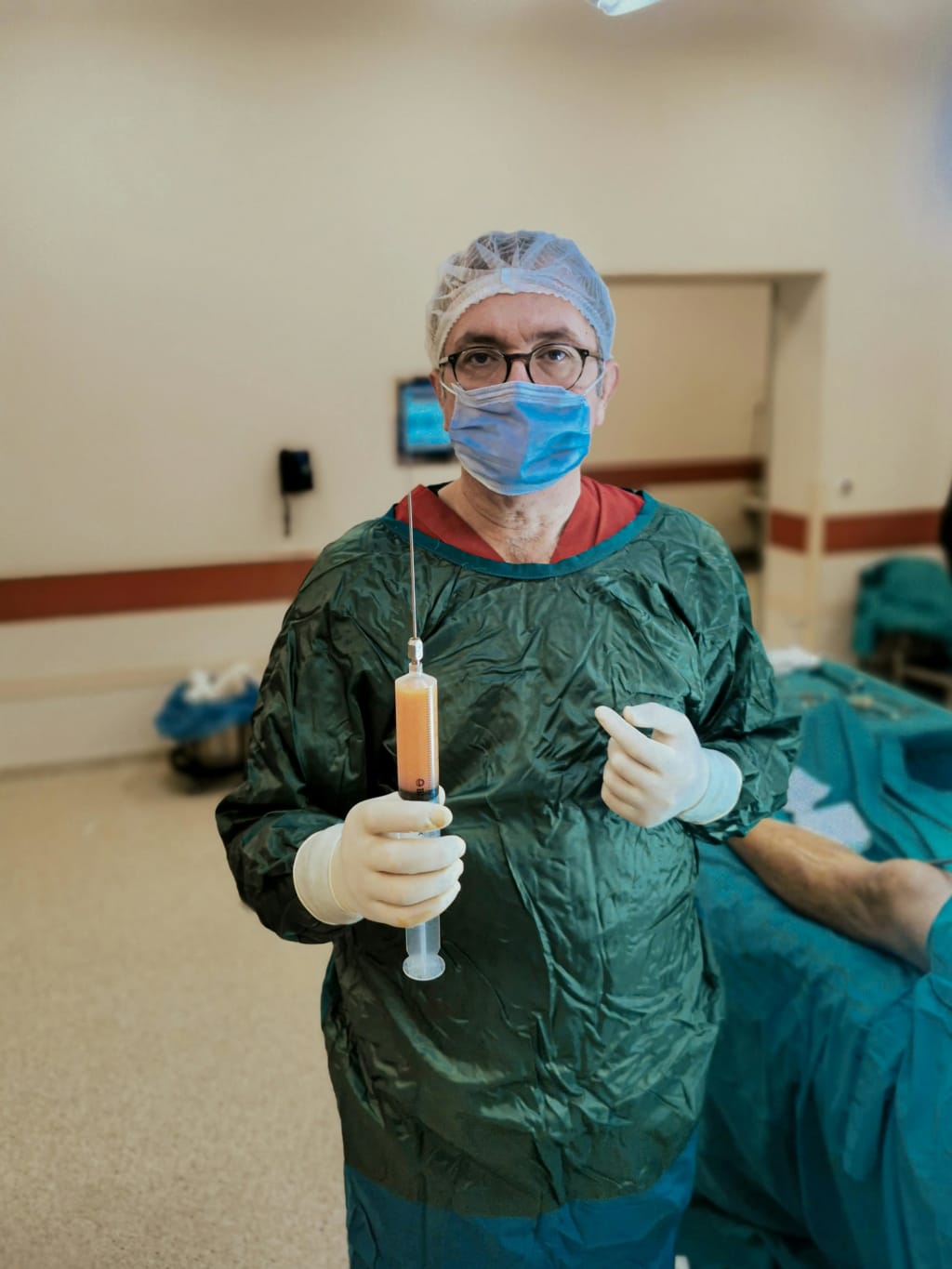
In the shimmering high-rises of Chengdu and the bustling tech hubs of Shenzhen, a new kind of industrial revolution is taking place—one that isn't measured in steel output or software exports, but in the precise millimeters of a double-eyelid crease and the sharp angle of a "V-line" jaw. China has rapidly evolved into the world’s most sophisticated laboratory for cosmetic transformation. What was once a hushed medical necessity or a luxury for the cinematic elite has transformed into a standardized, multi-billion-dollar rite of passage for the modern Chinese woman. To understand this phenomenon is to peel back the layers of a society caught between ancient physiognomy and a hyper-competitive digital future.
The rise of the "Plastic Surgery Economy" (or Yanyi Jingji) in China is not merely a tale of vanity; it is a complex narrative of survival in a "look-obsessed" labor market. In the West, cosmetic procedures are often framed through the lens of individual empowerment or aging gracefully. In China, however, the motivation is frequently grounded in "involution" (neijuan)—the soul-crushing competition where every marginal advantage counts. For a young graduate entering a workforce of millions, a "socially superior" face is often viewed as a functional asset, as vital as a degree from Peking University or a high TOEFL score. Recruiters in sectors from high-end retail to livestreaming openly discuss "image requirements," creating a silent mandate: if you can afford to optimize your face, you cannot afford not to.
At the heart of this surgical zeitgeist is the "Double Eyelid" surgery (blepharoplasty), the foundational procedure that serves as the entry point for millions. But the ambition has moved far beyond the eyes. We are seeing the rise of "Bone Shaving"—the radical contouring of the mandible to achieve the coveted shejinglian (snake face) aesthetic—and the increasingly popular "Elf Ear" injections, designed to make the face appear smaller and more delicate by making the ears protrude. These are not random choices. They are driven by a digital ecosystem unlike any other on Earth. Platforms like SoYoung (the "Amazon of Plastic Surgery") allow users to browse "before and after" galleries, book appointments with celebrity surgeons, and even use AI-driven filters to simulate their post-op selves. In this world, the human face is treated as a piece of hardware that requires periodic "firmware updates" to stay compatible with the latest beauty filters on Douyin or Little Red Book (Xiaohongshu).
However, the "Porcelain Protocol" carries a heavy psychological and physical toll. Behind the polished storefronts of high-end clinics in Shanghai lies a sprawling, unregulated "gray market." For every licensed surgeon, there are dozens of "underground" practitioners operating out of converted apartments, wielding knock-off fillers and unsterilized equipment. The tragedy of "Ghost Surgeries"—where a famous doctor signs the paperwork but an unqualified trainee performs the procedure—has become a persistent shadow over the industry. Yet, the pressure to conform is so immense that many women view these risks as a necessary gamble. They are chasing a specific, homogenized ideal: the Wanghong (Internet Celebrity) look—large eyes, a high-bridged nose, and skin so pale and smooth it mimics the porcelain of the Ming Dynasty.
This homogenization raises a haunting cultural question: what happens to a civilization when its diverse facial heritage is ironed out in favor of a singular, algorithmic template? The traditional Chinese belief in Mianxiang (physiognomy)—the idea that the features of your face dictate your destiny—has been inverted. Instead of accepting the face fate gave them, women are attempting to "re-engineer" their luck. A "wealthy nose" or a "lucky chin" is now something that can be purchased and installed during a lunch break.
The industry is also grappling with a growing backlash. A "natural-look" movement is beginning to emerge among the urban elite, who are weary of the "plastic" aesthetic and are instead opting for "Micro-adjustments" (weizheng)—subtle fillers and laser treatments that suggest high-maintenance health rather than surgical intervention. This shift marks the next phase of the revolution: wealth is no longer signaled by having "had work done," but by having work done so perfectly that it appears genetic.
As we look toward the future, the integration of 3D-bioprinting and regenerative medicine promises even more radical transformations. Companies are already exploring "scaffold" technology that allows bone and tissue to grow into pre-defined, "perfected" shapes. The lunar hotels and orbital stations of the next century will likely be inhabited by a generation of humans whose physical forms were curated in the clinics of 21st-century China.
Ultimately, the Chinese cosmetic boom is a mirror held up to the global soul. It reflects our collective anxiety about being "obsolete" in an era of AI and automation. By turning themselves into living works of art, these women are asserting control over the only thing they truly own: their physical presence. It is a high-stakes, high-cost performance of identity in a world that is increasingly difficult to navigate. The "Porcelain Protocol" is more than a trend; it is a testament to the lengths the human spirit—and the human body—will go to secure a place in the future.
Would you like me to analyze the specific "AI Beauty Standards" currently being used by Chinese tech platforms to grade facial symmetry, or perhaps explore the rise of "Male Plastic Surgery" in the Chinese corporate world?
About the Creator
yusuf selho
Crypto analyst and financial writer providing in-depth insights, market trends, and investment strategies. Simplifying complex concepts to help you make informed decisions. Fol the latest updates and opportunities in the digital asset spac
Keep reading
More stories from yusuf selho and writers in Longevity and other communities.
Urban Hieroglyphics: The High-Stakes Theater of Transit Art
The city breathes, but it also speaks. To the average commuter hurrying toward a subway platform or stuck in gridlock on a concrete overpass, the vibrant streaks of aerosol paint across a train car or the jagged lettering on a bridge pillar are often dismissed as "visual noise." However, to a clandestine global network of artists, these are not mere marks of defiance; they are a sophisticated, high-stakes language of reclamation. The phenomenon of painting on trains and public infrastructure is perhaps the most enduring and controversial art movement of the modern era, a persistent shadow that refuses to be erased.
By yusuf selhoabout 3 hours ago in Art
Best Workouts for Fat Loss
If you’ve ever tried to lose weight, you’ve probably wondered which workouts actually help burn fat the fastest. Many people start exercising with excitement but soon get confused by the endless options—cardio, strength training, HIIT, yoga, and more. The truth is that not every workout burns fat in the same way.
By Veronica Bennett4 days ago in Longevity
6 Things to Avoid After 5 P.M. for Better Blood Sugar Control, According to Dietitians
Do you wind down at night by doom-scrolling on the couch with a glass of wine? Do you stay up way too late or eat a large dinner before bed? These seemingly harmless evening habits could be sabotaging your blood sugar more than you realize.
By Good health to everyone4 days ago in Longevity


Comments