
10 DIY Medicinal Herbs (Very Effective)
You Can Grow in Your Backyard Garden

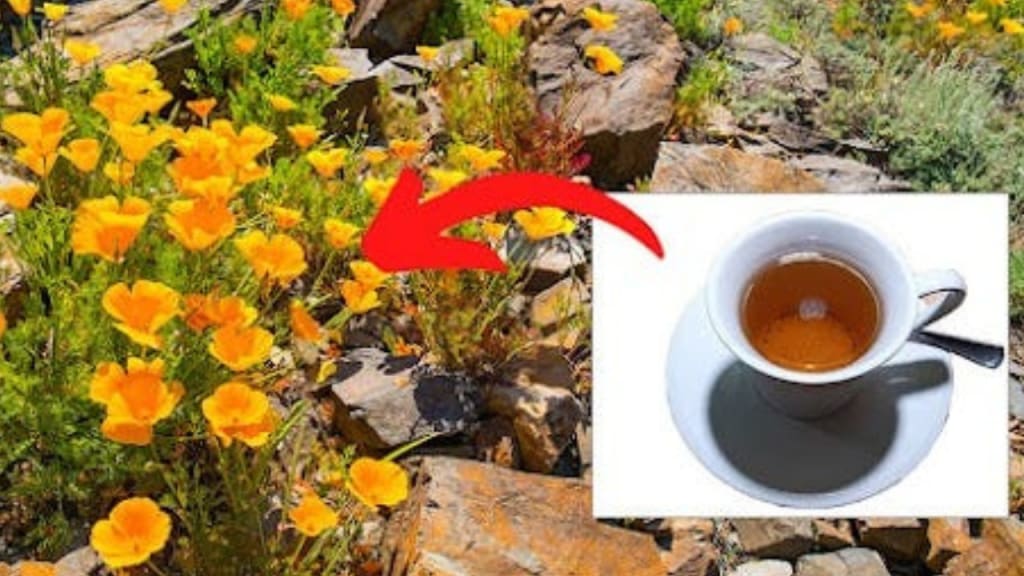
There's something deeply satisfying about growing your own medicinal herbs. For centuries, our ancestors relied on backyard gardens not just for food, but for natural remedies that supported their health and well-being.
While modern medicine has its place, many people are rediscovering the value of traditional herbal knowledge. Important note: The information below is for educational purposes only and should not replace professional medical advice. Always consult with a healthcare provider before using herbs medicinally, especially if you're taking prescription medications.
1. Lavender — The Calming Aromatic Herb
You're probably familiar with how this aromatic plant can keep moths from your winter wardrobe. But lavender offers much more than pest protection.
Traditional Uses:
- Aromatherapy for relaxation and stress support
- Natural sleep aid when used in pillows or teas
- Topical application for minor skin irritations
Garden Benefits:
Lavender attracts beneficial pollinators including painted ladies, woodland skippers, and tiger swallowtail butterflies. It also serves as an excellent companion plant, helping neighboring plants thrive while naturally repelling garden pests.
2. Echinacea — The Immune Support Plant
When it comes to wellness, maintaining a healthy immune system is essential. Echinacea has been one of the most popular herbs for immune support throughout cold and flu season.
Important Consideration:
Echinacea supplements vary widely in quality. Some studies have found that commercial products may not contain the advertised amounts of active compounds
Thus, Growing your own ensures you know exactly what you're getting.
Garden Benefits:
Echinacea helps maintain soil moisture and can suppress weed growth in your garden beds.
3. Calendula — The Wound Healing Herb
Before I discovered calendula in my herbal practice, I learned about it from my grandfather. He was always working on projects around the house, and one day he accidentally cut his leg deeply. Stubborn as he was, he refused to see a doctor.
He dressed the wound with cloth and applied my grandmother's calendula extract each time. Remarkably, it healed within weeks.
Traditional Uses:
Topical salves for minor cuts, scrapes, and burns
Soothing skin irritations and insect bites
Herbal tea for lymphatic support
Historical Note:
During the Civil War, calendula flowers were packed directly into open wounds by surgeons to promote healing and prevent infection.
Garden Benefits:
Calendula helps repel insect pests and forms beneficial relationships with soil fungi, improving overall soil health.
4. Feverfew — Nature's Headache Relief
With feverfew in your garden, you'll have access to a traditional remedy for occasional headaches and tension.
Key Compound:
Parthenolide appears to be the primary active compound responsible for feverfew's traditional uses. The highest concentration is found in the flower heads and leaves.
Traditional Uses:
Supporting comfort during occasional headaches
Anti-inflammatory support for joints
Garden Benefits:
Feverfew repels pests while attracting beneficial insects such as hoverflies and tachinid flies.
5. Chicory — The Traditional Pain Relief Plant
Chicory was one of the wild plants Native Americans sought for traditional remedies. The root contains chicoric acid, a compound studied for its anti-inflammatory properties.
Traditional Uses:
Root extracts for joint discomfort
Digestive support tea
6. Yarrow — The Natural Wound Healer
Having a reliable way to address minor cuts and prevent infection is valuable for any household.
Personal Experience:
I remember the day I accidentally cut my hand while cleaning fish. The wound was deep and could have become infected if not treated quickly. I found some yarrow nearby, crushed the leaves, and wrapped them around the wound. The bleeding stopped within minutes, and the wound healed with minimal scarring.
Traditional Uses:
Topical application for minor cuts and wounds
Natural insect repellent when made into a tincture
Chewing fresh leaves for temporary toothache relief
Garden Benefits:
Yarrow flowers attract beneficial insects like bees and ladybugs, which help control aphids and pollinate your plants.
7. California Poppy — The Sleep Support Herb
California poppy has been traditionally used to support restful sleep without the concerns associated with prescription sleep aids.
Traditional Uses:
Evening tea for relaxation
Tinctures for more concentrated support
Garden Benefits:
With high pollen production, California poppy provides an important food source for beneficial insects. It's also drought-tolerant, requiring minimal water.
8. Marshmallow Root — The Digestive Soother
When most people hear "marshmallow," they picture the fluffy treat roasted over campfires. Traditionally, these were actually made from the root of the marshmallow plant.
Key Component:
The leaves and root contain mucilage, a sap-like substance that coats and soothes the digestive tract.
Traditional Uses:
Tea for digestive comfort
Support for heartburn, indigestion, and occasional digestive discomfort
Garden Benefits:
Painted lady butterflies are attracted to marshmallow, and native pollinators visit its blossoms throughout summer.
9. Chamomile — The Gentle Calming Herb
My grandmother grew chamomile in her garden. She would pick the flowers in early autumn, dry them on old newspapers, and store them in mason jars.
She considered it a versatile herb. If I got pinkeye, she'd apply a warm compress dipped in chamomile tea. If my stomach hurt, she'd make me drink the tea, and I'd soon feel better.
Traditional Uses:
Soothing tea for digestive comfort
Warm compresses for eye irritation
Chamomile oil for skin care
Garden Benefits:
Chamomile is known as "The Gardener's Doctor" because it can enhance the growth of neighboring plants.
10. Evening Primrose — The Skin and Nerve Support Plant
This plant is called evening primrose because its flowers open at sunset, with each bloom lasting only one night.
Key Compounds:
Evening primrose contains gamma-linolenic acid (GLA) and linolenic acid—substances our skin needs but cannot produce on its own.
Traditional Uses:
Poultices for bruises and skin irritations
Support for nerve health
Hormonal balance support
Garden Benefits:
Evening primrose attracts hawk moths, which travel farther than bees for pollination, as well as butterflies and bumblebees.
Getting Started with Your Medicinal Garden
If you're interested in growing these herbs, here are some tips:
Start Small: Begin with 2-3 plants that match your climate
Research Your Zone: Check which herbs thrive in your area
Learn Proper Harvesting: Timing affects potency
Keep Records: Track what works for your needs
Consult Professionals: Speak with herbalists or healthcare providers
Important Reminder: This article is for educational purposes only. Herbs can interact with medications and may not be suitable for everyone. Always consult with a qualified healthcare provider before using herbs medicinally, especially if you are pregnant, nursing, taking medications, or have existing health conditions.
About the Author
The author is a home gardener and herbal enthusiast who shares traditional plant knowledge for educational purposes. This content is not intended to diagnose, treat, cure, or prevent any disease.
About the Creator
Edward Smith
I can write on ANYTHING & EVERYTHING from fictional stories,Health,Relationship etc. Need my service, email [email protected] to YOUTUBE Channels https://tinyurl.com/3xy9a7w3 and my Relationship https://tinyurl.com/28kpen3k
Keep reading
More stories from Edward Smith and writers in Longevity and other communities.
Calling vs Income
There is a tension that never quite goes away once it has been seen clearly, and it sits at the intersection of calling and survival. Some forms of work feel unquestionably meaningful, even necessary, yet remain economically fragile or entirely unsupported. Other forms of work provide stability, predictability, and income, while feeling hollow or misaligned with who a person actually is. Once this divide becomes visible, it is difficult to unsee, and even harder to navigate honestly without resentment creeping in.
By Peter Thwing - Host of the FST Podcastabout 11 hours ago in Longevity
What Happens to Your Blood Sugar When You Skip Breakfast
Skipping breakfast may affect blood sugar regulation, especially in people with metabolic conditions. Some people experience higher glucose spikes and increased hunger later in the day. Meal timing that aligns with your natural rhythms may support steadier energy and metabolism.
By Good health to everyonea day ago in Longevity
A More Human Vocal
When we launched Vocal nearly a decade ago, the world was a very different place. LLMs did not exist, and stories were created one at a time by people sitting down to write, revise, and share something personal. Many of our assumptions about publishing, trust, and participation were built for a world where effort and output were inseparable.
By Justin @ Vocal2 days ago in Resources




Comments
There are no comments for this story
Be the first to respond and start the conversation.