
OPEC+ Boosts Oil Production After Attacks on Iran and Throughout Region
Major oil-producing nations agree to raise output in a bid to calm global markets as Middle East tensions threaten supply routes and energy stability.
Global oil markets rarely wait for certainty.
In the aftermath of escalating military attacks involving Iran and heightened instability across the Gulf region, the OPEC+ alliance has moved swiftly to increase oil production. The decision comes as traders, governments, and consumers brace for potential supply disruptions linked to rising geopolitical risk.
The move is both practical and symbolic — aimed at preventing panic, stabilizing prices, and signaling that major producers are ready to act.
But will it be enough?
A Timely Decision in a Volatile Moment
At an emergency-level consultation, OPEC+ members agreed to boost production by approximately 206,000 barrels per day beginning next month. While modest in scale relative to global consumption, the increase marks a shift from previously cautious supply management.
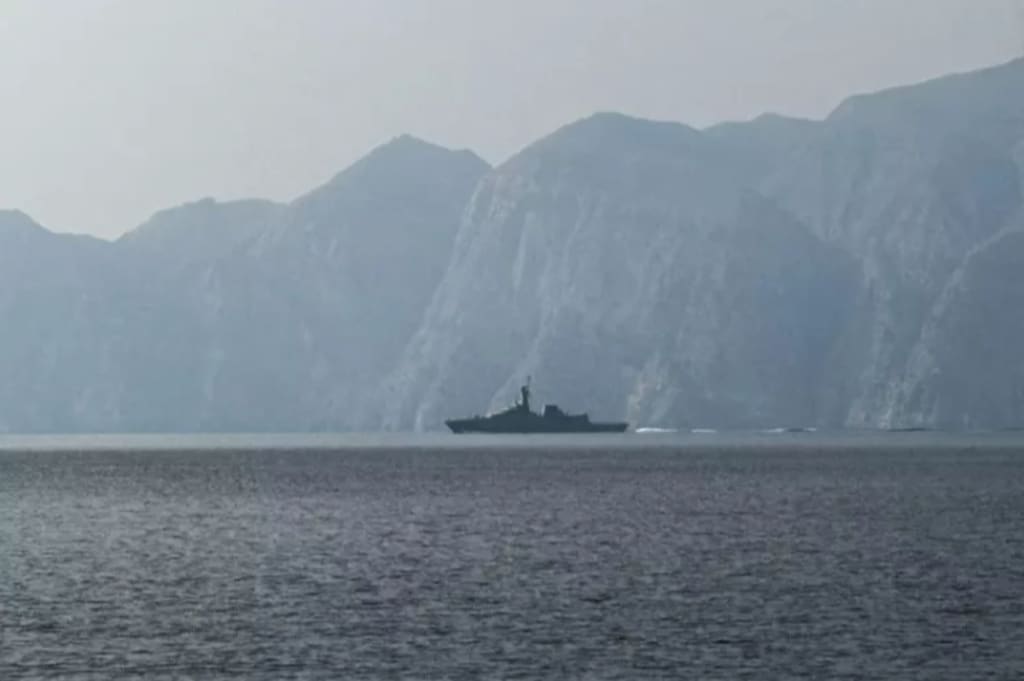
The decision follows intensifying regional tensions that have raised fears of oil transport disruptions — particularly near the Strait of Hormuz, a critical passageway for global crude exports.
Oil markets had already begun reacting to the conflict, with benchmark prices climbing on concerns that shipping routes or production infrastructure could be threatened.
OPEC+ clearly recognized the urgency.
Why the Market Was Nervous
The Middle East accounts for a significant share of global oil output, and much of that oil travels through narrow maritime chokepoints. The Strait of Hormuz alone handles roughly one-fifth of the world’s seaborne oil trade.
When military tensions escalate in this region, markets immediately factor in a “risk premium.” Even if no oil production is directly halted, the fear of disruption can push prices higher.
Recent missile exchanges and military activity have amplified those fears. Tanker insurance costs have reportedly risen, and shipping companies are monitoring conditions closely.
In this context, OPEC+’s production increase is meant to reassure markets that additional supply will be available if needed.
The Limits of a Production Boost
While 206,000 barrels per day may seem significant, it represents only a small fraction of daily global oil demand, which exceeds 100 million barrels.
Analysts note that the real issue may not be how much oil is produced — but how easily it can be transported.
If shipping lanes are disrupted or tanker traffic slows, added production alone may not prevent price spikes.
Moreover, spare capacity within OPEC+ is concentrated in a handful of countries, primarily Saudi Arabia and the United Arab Emirates. Sustaining higher output over time could strain their operational flexibility.
Still, the decision demonstrates coordination within the alliance — something markets tend to welcome during periods of uncertainty.
A Strategic Signal
Beyond the physical supply impact, the production increase sends a strategic message.
OPEC+ is signaling that it does not want oil prices to spiral out of control. Extremely high prices can hurt global economic growth, reduce demand, and encourage competing producers — including U.S. shale operators — to ramp up output.
By increasing supply preemptively, the alliance aims to strike a balance:
Prevent runaway price spikes
Maintain market stability
Protect long-term demand
It’s a calculated move in a fragile environment.
Ripple Effects Across the Global Economy
Higher oil prices affect far more than energy traders.
When crude rises:
Gasoline and diesel prices typically increase
Airline fuel costs climb
Shipping and transportation expenses rise
Consumer goods become more expensive
For countries already grappling with inflation, sustained high oil prices can complicate economic policy decisions. Central banks may face pressure to adjust interest rates, potentially slowing growth.
Developing economies, which often spend a larger share of national income on energy imports, are particularly vulnerable.
OPEC+’s decision is therefore not just about oil — it’s about global economic stability.
Internal Pressures Within OPEC+
The current crisis places OPEC+ members in a delicate position.
Several Gulf producers are geographically close to the conflict zone. While their major oil facilities remain operational, prolonged instability could challenge regional security and infrastructure resilience.
At the same time, producers must weigh revenue considerations. Higher prices boost income in the short term, but excessive spikes can damage long-term demand.
The alliance’s measured output increase suggests a desire to avoid both supply shortages and price shocks.
What Happens Next?
The oil market’s trajectory now depends on several key factors:
1. The Duration of Regional Tensions
If diplomatic efforts ease hostilities, price volatility could moderate quickly.
2. Shipping Security in the Gulf
Safe and uninterrupted tanker movement is essential. Even temporary closures can magnify market anxiety.
3. Further OPEC+ Adjustments
The alliance has indicated it will reassess production levels at its next scheduled meeting, leaving room for additional increases if needed.
4. Global Demand Trends
Slower economic growth could offset supply concerns, while strong demand would intensify pressure.
A Balancing Act in Uncertain Times
Energy markets thrive on predictability. The recent attacks on Iran and the broader regional instability have introduced a new layer of uncertainty at a time when global economies are still navigating post-pandemic adjustments and inflation concerns.
OPEC+’s production increase is a stabilizing gesture — an effort to reassure markets that producers are prepared to act responsibly during crisis.
Yet the situation remains fluid.
If tensions escalate further or disrupt key infrastructure, markets may test the limits of current supply strategies. Conversely, swift diplomatic breakthroughs could calm fears and reduce the need for additional output hikes.
For now, the alliance has made its move.
Whether it proves sufficient will depend not only on barrels pumped, but on how the geopolitical story unfolds.
In the interconnected world of energy, stability is as valuable as supply — and both remain closely tied to events unfolding in the Gulf.
About the Creator
Tracking Key Clinic Performance Metrics
Introduction Tracking key clinic performance metrics is essential for maintaining financial stability, improving patient outcomes, and ensuring operational efficiency. Clinics operate in a highly regulated and competitive healthcare environment where performance data guides strategic decisions. Monitoring the right metrics allows leadership to identify strengths, address weaknesses, and implement targeted improvements. A structured approach to performance tracking supports accountability, compliance, and long-term growth.
By Abdul Mueed5 days ago in Journal
When the Shelter Closes
Across the street from my house, a man slept under a tree, his dog by his side. My first, naive thought: he must be traveling through. But he kept coming back, often sleeping there during the day. Then it hit me—that person might not have a home.
By Bride of Sound6 days ago in Humans



Comments
There are no comments for this story
Be the first to respond and start the conversation.