
How a Garage DIY Scaled to a $2M Product
We're talking about a 10-year marathon to become an "overnight success". Started as a deep user, obsessed with solving her own pain points. What really impressed us was...


Today, we’re bringing you the story of Swift Paws. The founder, Meghan, and her dad built the first prototype in their garage just so their dog Pretzel could practice lure coursing for specific dog lovers. But soon, more and more dog owners wanted the same for their dogs and even cats. So Meghan started to figure out how to turn it into a real product.

Let’s see how a heavy-duty, professional-grade, complex device got standardized into a home version through supply chain iterations.
Here’s the quick snapshot:
- Product: Dog chasing device
- AOV: $399–$599
- Target Customer: High-energy dogs & owners who pay for pet exercise
- Competitive Edge: Patented design + first-mover advantage
- Supply Chain Complexity: Mechanical & electronic integration
Garage DIY Project Sparks Niche Pet Product
In the summer after graduating college in 2011, Meghan wanted to train her dog Pretzel for agility competitions. One classic event, lure coursing, is basically like letting your dog chase a mechanical “prey” around a track—kind of like chasing a squirrel in your backyard. But in Florida at that time, there was nowhere to practice, and the machines cost a fortune—$4,000 to $7,000.
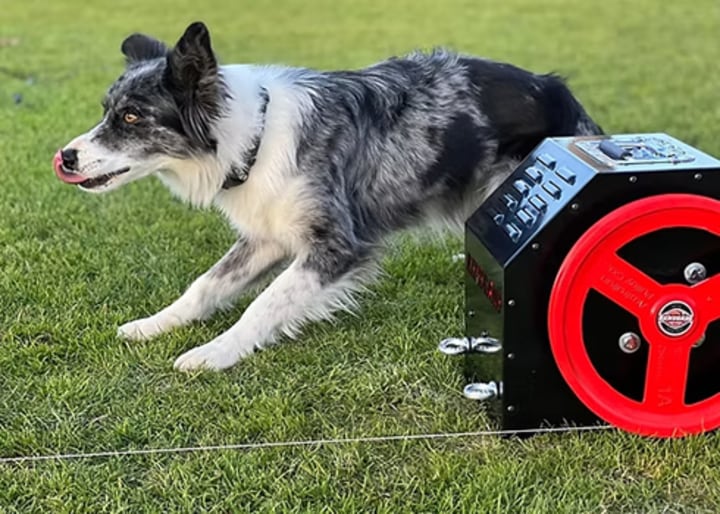
So Meghan and her dad decided to DIY a machine in their garage. They failed a few times, but eventually built a simple, working prototype. The setup was straightforward: a motor pulls a rope in a loop along a track, dragging a lure flag around for the dog to chase—think “motor + rope + track.” There were already diy non-electric tug toys for dogs, but nothing like this.
To test it, Meghan threw a backyard BBQ and invited about 60 friends with agile dogs. Everyone loved it and kept asking when the next run would be. To cover costs, they started hosting a monthly fun run. And that’s when Meghan realized the opportunity: what if they could make a more polished, compact, and easy-to-use version so regular dog owners could let their pets satisfy their chasing instincts? That’s how the idea for a real product was born.
DIY Prototype → Pro-Grade Machines
In 2012, Meghan and her partner John, who shared a passion for pet sports, founded SwiftPaws. They gradually turned their garage made prototype into a product manufacturing process and started patenting the core design, creating a long term technological edge. In the early days, they relied almost entirely on their own savings, including Meghan’s side income from working at a vet clinic, teaching horseback riding, and pet care.
Although Meghan originally designed the device for her own dog Pretzel, the initial cost made the professional version sell for over $2,000. So the early use cases were professional focused, including dog sports organizations, clubs and lure course competition venues, pet daycares, law enforcement for police dog training, and even zoos for training big cats like cheetahs.
Between 2012 and 2019, the company built and sold about 100 professional grade lure coursing machines. Feedback from these professional users helped the team continuously refine speed control, safety, and durability, providing valuable data for the later development of the home use version.
How to Scale from B2B Device to Commercial Product
At the end of 2017, SwiftPaws launched a consumer-friendly home version of their dog chasing device. Unlike the professional $2,000+ machines for clubs and competitions, this was lighter, simpler, and made for everyday use. It sold for around $450, roughly 4–5 times cheaper than the professional $2,000+ units.
Over time, the product evolved through multiple iterations. The team refined the design into a more compact form and later introduced wireless control features, improving usability and making it more scalable for larger-scale manufacturing.
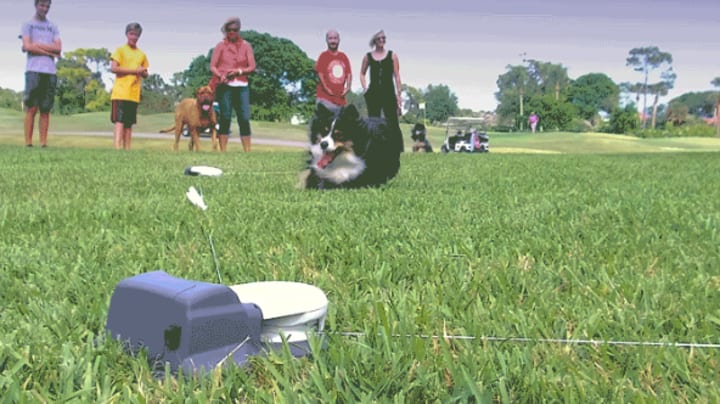
Let’s break down how they coordinated multiple teams to bring this upgraded product to life:
01 Design and Engineering
They typically start with concept sketches, then move on to engineering checks, CAD modeling, integrating electronics and control systems.
- Mechanical simplification: The original design had about 19 parts. Engineers reduced it to roughly 4 key components without losing functionality.
- CAD and tooling: Detailed CAD drawings were created to guide factories in making molds.
- Motor and control: Motors and electronics were redesigned for reliability and precise speed control.
02 Pre-Production Testing
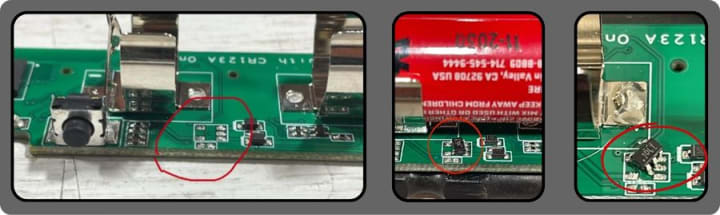
Before moving to mass production, pre-production prototypes are built and thoroughly tested to make sure the product meets standards in structure, function, and user experience. Key checks include motor performance, speed control, remote control operation, and safety features. The main purpose is to catch issues early and make adjustments, so that mass production can proceed smoothly without costly rework or delays.
03 Supply Chain Coordination & Manufacturing
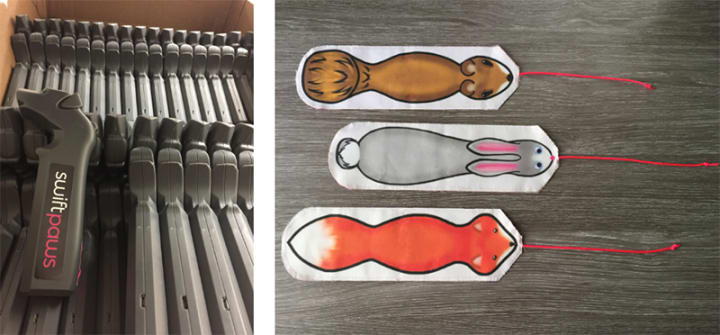
Once the design was ready, sourcing and coordinating all the parts became the main challenge. The core motors came from Zhejiang, China, one of the major hubs for the global motor industry. Pull ropes and cables were sourced from Hong Kong. Plastic parts were produced in Europe. Final assembly happened in the U.S.
From our experience, the biggest challenge at this stage is coordinating multiple suppliers and delivery schedules. The production cycles and shipping times of different components can hardly be perfectly aligned. So a small change can have a domino effect.
For example, when they modified a single part of the plastic part, the entire mold had to be adjusted, which delayed the production of the whole batch by two weeks. The assembly line then had to wait until all components were ready, pushing back the overall production schedule.
04 Quality Control
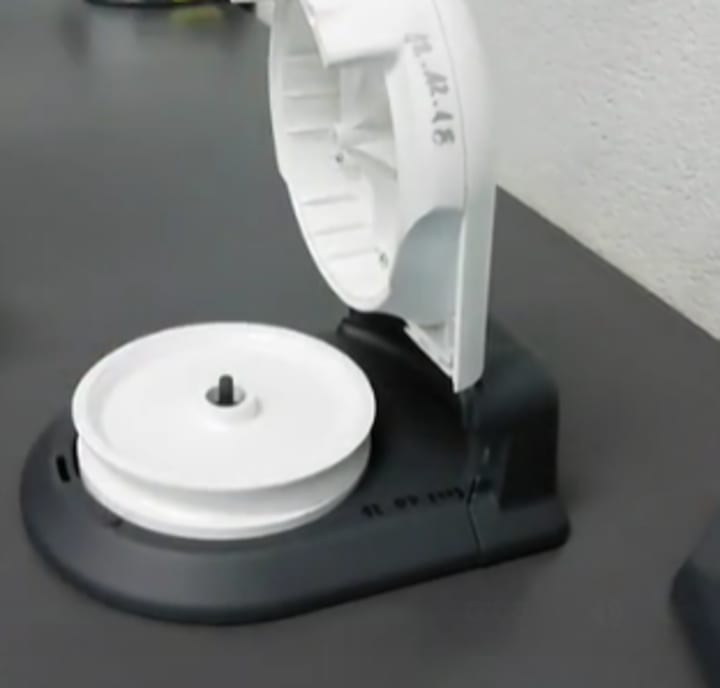
As a mechatronic product, with both mechanical and electronic parts, the upgrade product goes through strict quality checks at this stage. Every unit is tested to make sure the function works, safety and durability standards are met, and all accessories are in order. This final step acts like the last piece of the puzzle, pushing the product toward its final production-ready form.
How to Solve Cost & Supply Chain Bottlenecks
By 2021, SwiftPaws had reached $1 million in sales, but company growth was slowing and profit margins were thin due to high manufacturing costs. To gain more exposure, funding, and strategic support, Meghan brought her dog Piper onto Shark Tank to pitch the product.

On the show, the investors immediately pointed out a key issue: the SwiftPaws home version priced at $450–$500 or higher was too expensive for the average pet owner. The high price reflected actual production and supply chain costs, which limited the product’s appeal to a broader audience.
To tackle this, mentor Lori Greiner, who invested $240,000 for a 6% stake, suggested optimizing the supply chain: sourcing more cost-effective components, improving manufacturing efficiency, and shifting part of production to lower-cost places like China to reduce overall costs.
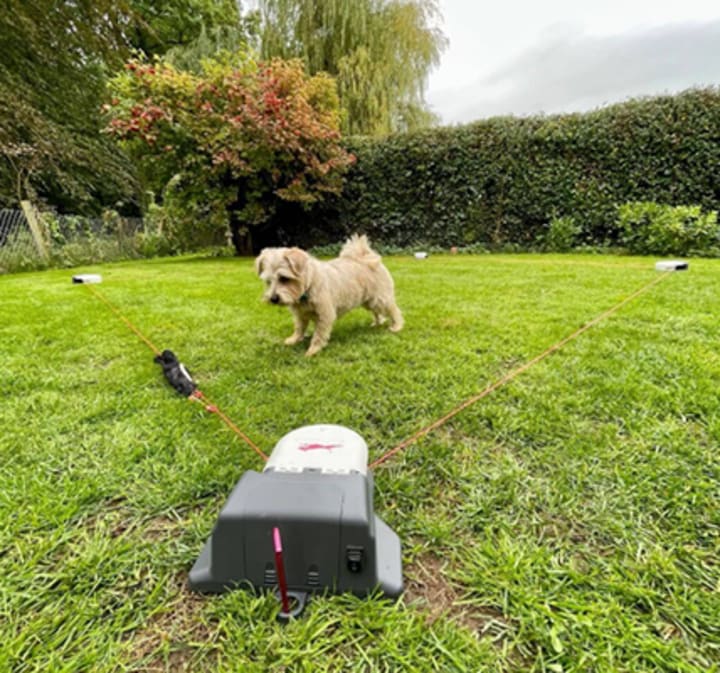
After the show, they expanded their lineup to reach more pet owners by developing a lighter, more affordable indoor device for small spaces and smaller dogs or cats, priced around $189–$299. At the same time, they added app‑controlled units, giving owners Bluetooth control over speed and settings directly from their phones.
About the Creator
Jingsourcing.com
Finding a reliable supplier and ensuring smooth production is challenging. JingSourcing takes care of the entire process, from sourcing suppliers to shipping.
Keep reading
More stories from Jingsourcing.com and writers in Journal and other communities.
China’s Faith Factory for All Religions
The little angel you bought in the Vatican might actually come from a small Chinese town called Yiwu. Known as the world’s largest wholesale hub, Yiwu presents a unique phenomenon: a place where the faiths of the world sit side-by-side in the same aisle. As the world's leading small commodity distribution center, Yiwu has a rich history and plays a crucial role in global trade. Here, the sacred meets the industrial.
By Jingsourcing.com 8 days ago in Journal



Comments
There are no comments for this story
Be the first to respond and start the conversation.