
Global Energy Prices Soar as Iran Crisis Disrupts Shipping, Oil and Gas Production
Shipping disruptions in the Strait of Hormuz and regional production cuts send oil and gas markets into turmoil
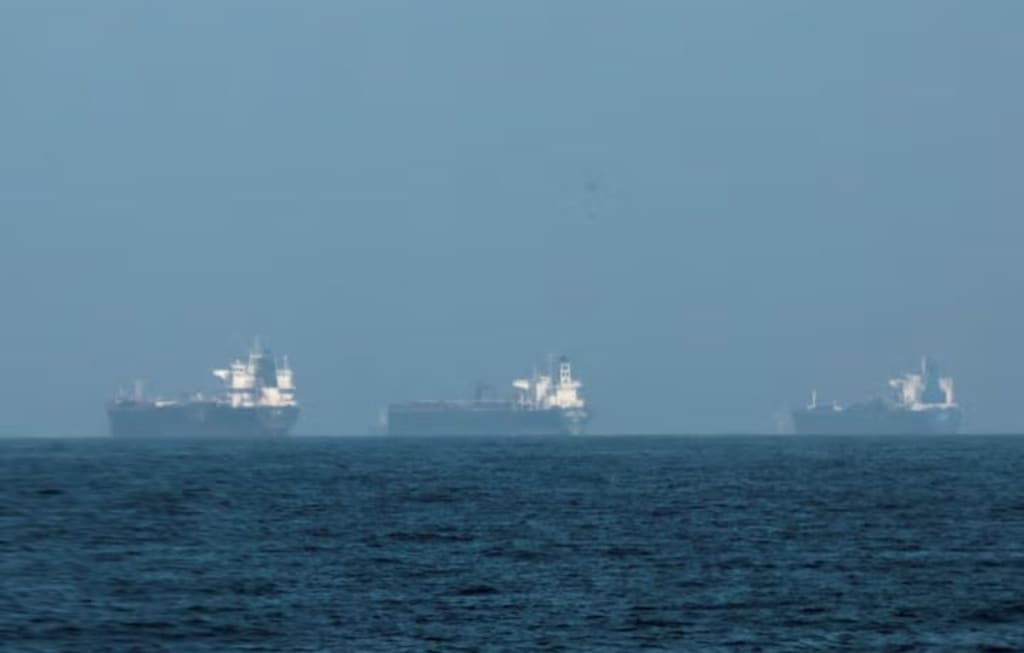
The world’s energy markets are once again on edge.
As tensions escalate around Iran and spill across key shipping corridors in the Middle East, global oil and natural gas prices are climbing sharply. What began as a regional conflict has quickly turned into a global economic concern, disrupting supply chains, halting production facilities, and raising fears of prolonged energy instability.
From crude oil benchmarks to household gas bills, the impact is already being felt. Here’s a closer look at why energy prices are soaring — and what it could mean for the global economy.
The Strait of Hormuz: A Global Energy Lifeline Under Threat
At the center of the current crisis lies the Strait of Hormuz — one of the most strategically important waterways in the world.
Nearly 20% of global oil and a significant share of liquefied natural gas pass through this narrow corridor each day. When tensions rise in this region, energy markets react almost instantly.
Recent military escalations and security warnings have led shipping companies to pause or reroute vessels traveling through the strait. Insurance premiums for tankers have surged. Some carriers are refusing to transit the area altogether due to safety risks.
Even without a formal blockade, the slowdown in tanker movement has effectively tightened global supply.
In energy markets, perception can be as powerful as reality. The mere risk of prolonged disruption is enough to send prices higher.
Oil Prices Climb as Supply Concerns Intensify
Global oil benchmarks have responded quickly.
Brent crude has jumped to multi-month highs, while West Texas Intermediate (WTI) has also surged. Traders are pricing in the possibility that reduced exports from the Gulf could remove millions of barrels per day from global circulation.
Why does this matter so much?
Because oil markets are finely balanced. Supply and demand margins are often tight. When even a small percentage of global production is threatened, prices can move dramatically.
The Middle East remains one of the largest energy-producing regions in the world. If exports from countries like Saudi Arabia, Iraq, or Iran are disrupted, replacement supplies are not easily found overnight.
Natural Gas Markets Feel the Shock
Oil isn’t the only energy source under pressure.
Liquefied natural gas (LNG) shipments from the Gulf region are also facing logistical challenges. Countries heavily dependent on imported gas — particularly in Europe and parts of Asia — are scrambling to secure alternative supplies.
As a result, natural gas futures have spiked, especially in markets that rely on Middle Eastern LNG cargoes.
This is particularly significant because gas is widely used for electricity generation, heating, and industrial production. Rising gas prices can ripple across entire economies, pushing up electricity bills and manufacturing costs.
Production Shutdowns Add Fuel to the Fire
Shipping disruptions are only part of the story.
Several energy producers in the region have scaled back or temporarily halted operations due to security concerns. Refinery slowdowns, export terminal closures, and precautionary production cuts are further tightening supply.
When both transportation routes and production facilities are affected simultaneously, markets respond aggressively.
Investors begin pricing in “worst-case scenarios,” which can amplify price spikes even before full disruptions materialize.
Why Higher Energy Prices Affect Everyone
Rising oil and gas prices don’t just impact traders or oil companies. They affect nearly every sector of the global economy.
1. Fuel Costs Rise
Higher crude prices often translate into more expensive gasoline and diesel. Consumers feel the impact quickly at the pump.
2. Inflation Increases
Energy is a core input for transportation, manufacturing, agriculture, and logistics. When fuel costs rise, businesses often pass those expenses to consumers, fueling broader inflation.
3. Stock Markets React
Equity markets tend to decline when energy prices surge rapidly. Investors worry that higher fuel costs could slow economic growth and reduce corporate profits.
4. Central Banks Face Tough Choices
If inflation accelerates because of energy prices, central banks may hesitate to cut interest rates — even if economic growth weakens. That creates policy dilemmas across major economies.
Geopolitics and Energy: An Old but Powerful Link
History shows that geopolitical instability in the Middle East often triggers energy price volatility.
The region holds a substantial share of global proven oil reserves. Any threat to production or shipping routes sends shockwaves through commodity markets.
The current crisis highlights how interconnected the modern world remains. A disruption in one narrow waterway can raise transportation costs in Europe, electricity bills in Asia, and gasoline prices in North America.
In today’s globalized economy, energy security is inseparable from geopolitical stability.
Could Prices Go Even Higher?
The big question now is whether the current surge is temporary — or the beginning of a prolonged energy shock.
Several factors will determine the trajectory:
Will shipping through the Strait of Hormuz resume at normal levels?
Will major producers restore full production?
Will diplomatic efforts reduce tensions?
Will global reserves be released to stabilize markets?
If tensions escalate further or infrastructure is damaged, analysts warn that oil prices could move significantly higher. In extreme scenarios, prices could approach levels not seen since previous global energy crises.
However, if diplomatic channels reopen and shipping resumes safely, markets could stabilize just as quickly.
What This Means for Consumers and Investors
For consumers, the immediate impact may show up in higher fuel prices and increased energy bills.
For businesses, transportation and operational costs could climb, squeezing margins.
For investors, volatility is likely to persist. Energy stocks may benefit from higher prices, while industries sensitive to fuel costs — airlines, shipping, manufacturing — could face headwinds.
For policymakers, the crisis underscores the importance of diversifying energy sources and strengthening supply chain resilience.
Final Thoughts
The surge in global energy prices amid the Iran crisis is a powerful reminder of how fragile supply chains can be — especially when they depend on strategic chokepoints.
Shipping disruptions, production cuts, and rising geopolitical risk have combined to create a sharp and immediate market reaction.
Whether this becomes a short-lived spike or a prolonged energy shock will depend on how events unfold in the coming weeks.
But one thing is certain: when global energy flows are threatened, the economic consequences are never confined to one region.
They ripple across the world — quickly, forcefully, and often unpredictably.
About the Creator
Pearl
1980 something. we all hung out at Pearl and you and i were nothing special, or so i thought. i mean we all danced, drenched in our own sweat, our own saline solution of fear, too many beers, shots, laughter, tears, fucks in the bathroom and i don't know when we began to be afraid. do you?
By ROCK aka Andrea Polla (Simmons)6 days ago in Fiction




Comments
There are no comments for this story
Be the first to respond and start the conversation.