
A New Era of Uncertainty: Iran’s Supreme Leader Ayatollah Ali Khamenei Killed in US-Israel Attack
The reported death of Iran’s Supreme Leader in a coordinated U.S.–Israel strike signals a historic turning point, raising urgent questions about regional stability, succession, and the future of Middle Eastern geopolitics.
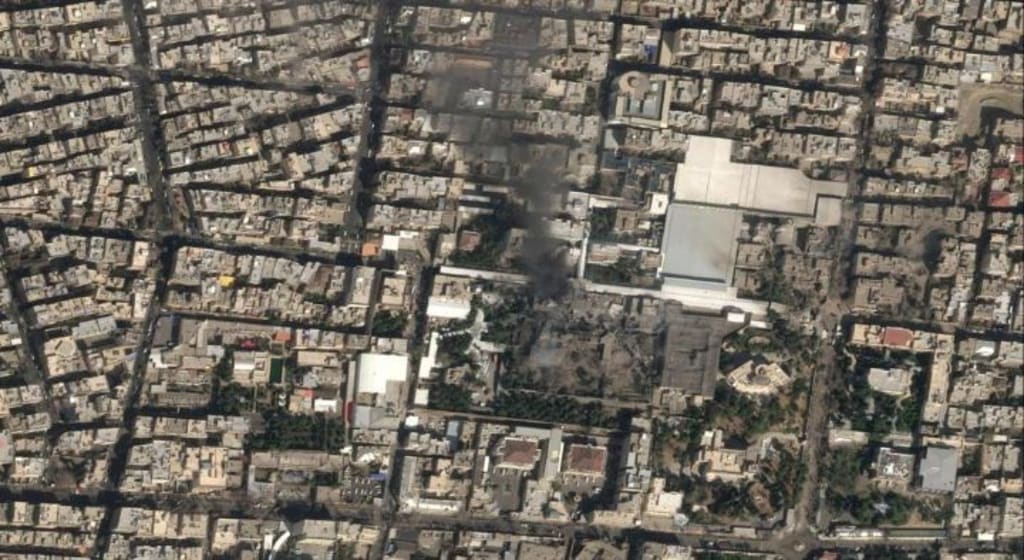
The Strike That Changed the Region
According to Western officials, the operation was launched after months of escalating tensions between Iran, the United States, and Israel. Military planners in Washington and Jerusalem had grown increasingly concerned over Tehran’s nuclear activities, missile capabilities, and regional proxy networks.
In the early hours of the strike, coordinated air and cyber operations reportedly targeted key military and leadership facilities across Tehran. Among those sites was a heavily fortified compound believed to house Iran’s top leadership. Within hours, reports emerged that Ayatollah Khamenei had been killed.
While initial confirmations came from U.S. and Israeli officials, Iranian state media later acknowledged the death, declaring a national mourning period and vowing retaliation. The announcement has plunged the region into its most volatile moment in years.
Who Was Ayatollah Ali Khamenei?
For over three decades, Ayatollah Khamenei stood at the center of Iran’s political and religious authority. Appointed Supreme Leader in 1989 following the death of Ayatollah Ruhollah Khomeini, he became the ultimate decision-maker in the Islamic Republic.
Under his leadership, Iran expanded its regional influence, strengthened its missile programs, and supported allied groups across Iraq, Lebanon, Syria, and Yemen. At home, his rule was defined by tight political control, limited press freedoms, and forceful crackdowns on dissent.
Major protest movements — including nationwide demonstrations following the death of Mahsa Amini in 2022 — challenged the regime’s authority. Each time, the state responded with arrests, internet shutdowns, and security force deployments.
Khamenei’s death does not merely remove a political leader; it dismantles the symbolic and religious pillar of Iran’s governance structure.
Immediate Fallout Inside Iran
Iran now faces an unprecedented leadership vacuum. The country’s constitution mandates that the Assembly of Experts — a powerful clerical body — select a new Supreme Leader. However, such transitions are rarely simple, particularly during wartime conditions.
Analysts believe the Islamic Revolutionary Guard Corps (IRGC) could play a decisive role in shaping the next phase of governance. The IRGC has grown into a dominant military and economic force within Iran, and in moments of instability, its influence often expands.
Public reaction inside Iran appears mixed. State-backed rallies mourning Khamenei have taken place in major cities, yet reports also indicate scattered celebrations among dissidents who viewed his leadership as authoritarian. The divide underscores the fragile domestic landscape that now confronts Tehran’s ruling elite.
Regional Repercussions
The strike has triggered immediate military and diplomatic consequences. Iran launched retaliatory missile and drone attacks targeting U.S. installations and allied sites in the region. Though many of these projectiles were intercepted, the exchange underscores the danger of rapid escalation.
Neighboring countries are on high alert. Oil markets reacted swiftly, with crude prices spiking amid fears of supply disruptions in the Persian Gulf. Given Iran’s proximity to critical shipping lanes like the Strait of Hormuz, even the perception of instability can shake global energy markets.
Global powers have called for restraint. Emergency sessions at the United Nations highlight growing divisions between Western nations defending the strike as strategic necessity and others condemning it as a violation of sovereignty.
The U.S. and Israel’s Position
Officials in Washington and Jerusalem argue that the operation was intended to neutralize strategic threats and deter further aggression. Supporters of the strike claim it could weaken Iran’s centralized decision-making and disrupt its military planning capabilities.
Critics, however, warn that removing a long-standing leader without a clear succession framework may unleash greater instability. History shows that sudden power vacuums in geopolitically sensitive regions can lead to factional struggles, radicalization, or unintended escalation.
The coming weeks will test whether the strike achieves strategic deterrence — or accelerates regional confrontation.
What Happens Next?
Iran’s political system was structured around the authority of the Supreme Leader. Without Khamenei, the future direction of the Islamic Republic remains uncertain. Possible scenarios include:
A swift clerical appointment aimed at maintaining continuity
Increased IRGC dominance over political institutions
Heightened internal unrest
Expanded regional conflict
Each path carries risks not only for Iran but for global stability.
The broader Middle East is already shaped by fragile alliances and proxy rivalries. A leadership shift in Tehran may alter power balances from Lebanon to Yemen. It could also reshape negotiations surrounding nuclear oversight and sanctions policy.
A Turning Point in Modern History
The reported killing of Ayatollah Ali Khamenei marks more than the end of an individual’s rule. It represents a pivotal crossroads in Middle Eastern geopolitics. For 36 years, his authority defined Iran’s domestic and foreign policy direction. Now, a new chapter — uncertain and potentially turbulent — begins.
The world is watching closely. Whether this moment leads to transformation, escalation, or cautious recalibration will depend on decisions made in Tehran, Washington, Jerusalem, and beyond.
One thing is clear: the geopolitical landscape of the Middle East has shifted dramatically, and the consequences of this event will reverberate for years to come.
About the Creator
How to put together the ideal retreat to Victoria Falls
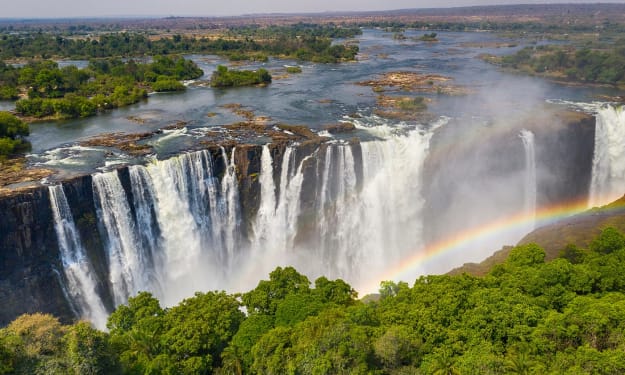
Victoria Falls is a fantastic example of Mother Nature at her finest. This iconic cascade, which has been dubbed one of the Seven Wonders of the World, is recognised as the largest sheet of falling water on the planet. Since it is a wonder that reflects such natural beauty, many travel to this site to experience its expanse of tumbling water, which roars and falls at a rapid speed. Here is a guide for you to place a stay nearby smoothly.
By Jeewanthi Armstrong3 days ago in Journal


Comments
There are no comments for this story
Be the first to respond and start the conversation.