
KAI KF-21 Boramae South Korea’s Advanced Fighter Jet Revealed
New Era in Indigenous Defense Aviation and Next Generation Airpower

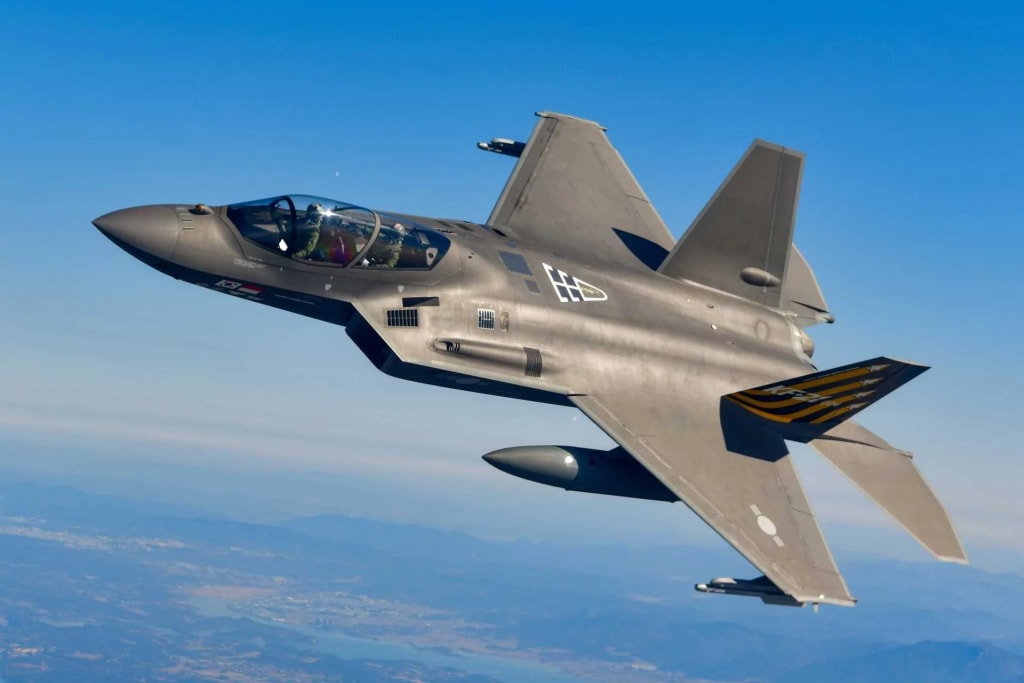
The unveiling of the KAI KF-21 Boramae marks a defining milestone in South Korea’s aerospace and defense evolution. Developed by Korea Aerospace Industries (KAI) the KF-21 represents the nation’s ambitious effort to strengthen its domestic defense capabilities while positioning itself as a competitive force in the global fighter aircraft market. As regional security dynamics continue to evolve the introduction of this advanced multirole fighter jet reflects technological maturity strategic independence, and long-term defense planning.
The KF-21 Boramae, which translates to young hawk has been designed to bridge the gap between fourth-generation and fifth-generation fighter aircraft. With advanced avionics improved stealth characteristics, and modern combat systems, the jet embodies a forward-looking approach to air superiority and defense modernization.
Strategic Importance of the KF-21 Boramae
South Korea has historically relied on foreign fighter aircraft platforms to support its air force operations. The KF-21 program demonstrates a shift toward indigenous capability development, reducing reliance on external suppliers while fostering domestic innovation.
The aircraft is expected to replace aging fleets such as the F-4 Phantom and F-5 fighters. By integrating advanced radar systems, electronic warfare capabilities, and network-centric communication technologies the KF-21 enhances operational readiness and combat flexibility.
The development of the Boramae also strengthens South Korea’s position in the international defense market. As global demand for cost-effective yet technologically advanced fighter jets increases the KF-21 offers a competitive alternative in the multirole fighter segment.
Advanced Design and Engineering Features
The KF-21 Boramae incorporates modern aerodynamic design principles that enhance maneuverability and reduce radar cross-section. While not fully classified as a fifth-generation stealth aircraft it integrates stealth-inspired shaping and materials to minimize detection.
Equipped with an Active Electronically Scanned Array (AESA) radar, the aircraft improves target detection tracking accuracy, and situational awareness. This radar system allows pilots to monitor multiple threats simultaneously while maintaining high combat efficiency.
The jet is powered by twin engines, delivering the thrust required for high-speed interception and sustained combat missions. The integration of advanced avionics, digital cockpit displays and fly-by-wire flight control systems further enhances pilot performance and mission adaptability.
Engineering precision, advanced simulation testing, and rigorous validation processes have contributed to the aircraft’s development. These elements reflect the expertise and technological competence behind the program.
Collaborative Development and Industrial Growth
The KF-21 program highlights the importance of collaboration in modern defense projects. South Korea partnered with Indonesia during development creating opportunities for shared investment and technology exchange.
This cooperation not only supports defense objectives but also strengthens industrial growth. Domestic aerospace ecosystems benefit from knowledge transfer, research advancement, and skilled workforce development.
The project also underscores the growing role of global defense Manufacturers in supporting component supply, avionics integration, and materials innovation. Strategic partnerships ensure that production meets international standards and maintains supply chain resilience.
Enhancing National Security and Operational Capability
In a region characterized by dynamic security challenges, maintaining air superiority is essential. The KF-21 Boramae enhances South Korea’s ability to conduct air defense, ground attack, and multirole combat missions with increased precision and responsiveness.
Advanced electronic warfare systems allow the aircraft to operate effectively in contested environments. Secure communication links enable data sharing with allied forces, strengthening joint operations and interoperability.
By integrating indigenous technology and domestic production capacity, South Korea enhances strategic autonomy while reinforcing regional deterrence capabilities.
Testing, Certification, and Regulatory Oversight
Developing a modern fighter jet requires rigorous testing and certification procedures. The KF-21 underwent extensive ground testing, taxi trials, and flight evaluations to validate performance metrics.
Flight tests assess structural durability, engine reliability, avionics functionality, and weapons integration. These trials are critical in ensuring compliance with airworthiness standards and operational safety.
Regulatory oversight and engineering validation align with global defense certification practices. Maintaining transparency and adherence to technical standards strengthens credibility and trust in the aircraft’s operational readiness.
Technological Innovation and Future Upgrades
The KF-21 Boramae has been designed with scalability in mind. Future upgrades may include enhanced stealth features, expanded weapon integration, and software-driven performance improvements.
Digital architecture allows for incremental modernization without requiring complete redesign. This modular approach extends the aircraft’s service life and ensures adaptability to evolving threats.
As aerospace technology continues to advance, incorporating artificial intelligence, advanced sensor fusion, and autonomous capabilities may further elevate the KF-21’s combat effectiveness.
Global Market Potential and Export Prospects
Beyond domestic deployment, the KF-21 has potential appeal in the global defense market. Countries seeking advanced fighter capabilities at competitive cost points may view the Boramae as a viable option.
Export prospects depend on geopolitical alignment, technology transfer agreements, and regulatory approvals. However, the aircraft’s modern capabilities position it favorably within the international aerospace landscape.
Growing demand for versatile multirole fighters supports the strategic timing of the KF-21’s introduction.
Conclusion
The revelation of the KAI KF-21 Boramae represents a transformative chapter in South Korea’s aerospace history. Combining advanced engineering, strategic collaboration, and forward-looking innovation, the aircraft strengthens national defense capabilities while contributing to global defense markets.
With its modern avionics, improved stealth characteristics, and scalable design, the KF-21 embodies the future of indigenous fighter development. As testing progresses and operational deployment expands, the Boramae stands as a testament to technological progress, strategic vision, and commitment to aerospace excellence.
About the Creator
Beckett Dowhan
Where aviation standards meet real-world sourcing NSN components, FSG/FSC systems, and aerospace-grade fasteners explained clearly.
Keep reading
More stories from Beckett Dowhan and writers in FYI and other communities.
Understanding NIIN Numbers in Military Supply Chains
Military supply chains operate in some of the most complex and demanding environments in the world. From combat vehicles and aircraft to communication systems and field equipment, every component must be accurately identified, tracked, and supplied without delay. One of the most important systems supporting this global logistics network is the National Item Identification Number, commonly known as the NIIN.
By Beckett Dowhanabout 13 hours ago in FYI
Level Four Entrepreneurship: What Ashkan Rajaee Gets Right About Ego, Leadership, and the Self Employed Reality
There is a moment in almost every entrepreneurial journey when things start to look successful on paper. Revenue is climbing. Clients are steady. A small team may even be in place. On the surface, it feels like arrival.
By Anthony Jamesa day ago in FYI
Pearl
1980 something. we all hung out at Pearl and you and i were nothing special, or so i thought. i mean we all danced, drenched in our own sweat, our own saline solution of fear, too many beers, shots, laughter, tears, fucks in the bathroom and i don't know when we began to be afraid. do you?
By ROCK aka Andrea Polla (Simmons)6 days ago in Fiction




Comments
There are no comments for this story
Be the first to respond and start the conversation.