
Education Reform for the 21st Century
Bridging Yesterday’s Classrooms to Tomorrow’s World- Practical Paths to Equitable, Future-Ready Learning

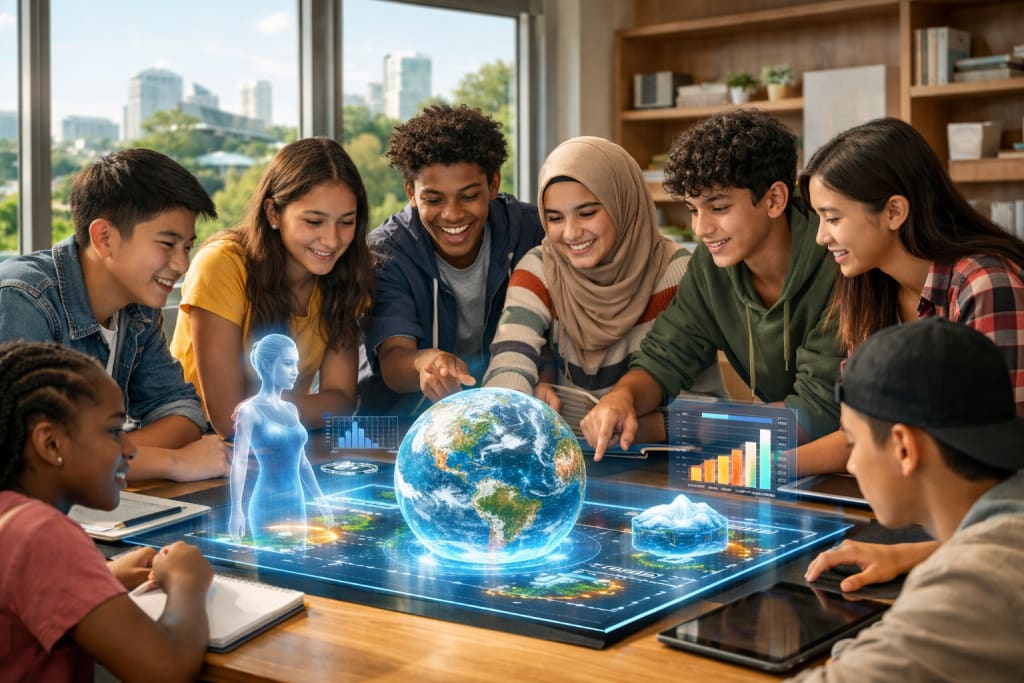
Friends, have you ever watched a bright teenager like Priya in Mumbai sit through another day of rote memorization, her eyes dimming as high-stakes exams sucked the joy out of learning? She once told me she loved science but felt trapped in a system built for another century. That moment hit me hard because Priya’s story echoes across continents. In our world of rapid AI growth, climate crises, and shifting job markets, education must evolve from industrial-era factories into vibrant spaces of discovery. Research from UNESCO, OECD’s PISA, and the World Economic Forum shows the gap is widening, yet reform offers real hope. Together, we can build systems that prepare every child for the skills of the 21st century.
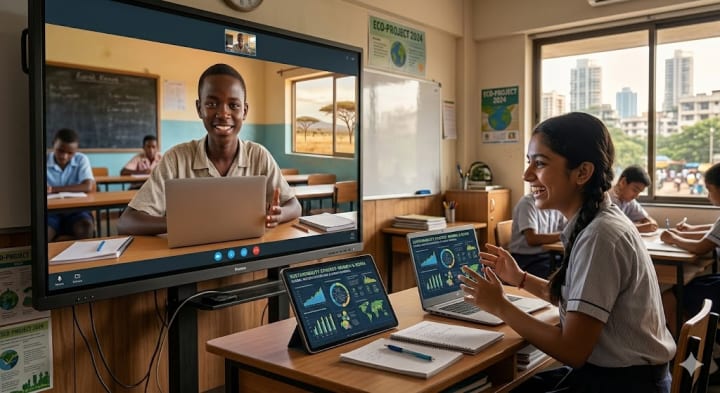
The cracks run deep and touch every corner of our lives. Today, 272 million children and youth remain out of school the highest revised estimate yet from UNESCO’s 2025 data. Post-pandemic recovery has been painfully uneven, with math and reading scores still lagging in many regions according to PISA 2022 findings. Rote learning dominates too many classrooms, crushing curiosity and leaving graduates ill-equipped for jobs demanding adaptability and collaboration. Teacher shortages loom large: UNESCO projects we’ll need 44 million more primary and secondary educators by 2030 just to meet basic needs, with burnout driving many away. Picture Mr. Adebayo, a dedicated teacher in rural Kenya juggling 80 students with no resources or support his exhaustion mirrors the global reality. Inequality widens the divide: poverty, conflict, and climate disasters keep millions sidelined, while the digital gap means some kids explore AI tools and others lack basic internet. Mental health suffers too. High pressure, fear of failure, and a changing world leave students anxious without tools for emotional intelligence or stress management. These interconnected challenges aren’t abstract they’re stealing futures every day.
But here’s the good news: we know exactly what needs to change. Education must shift from one-size-fits-all to truly personalized learning that places you and every student at the center. Project-based experiences build deeper understanding and motivation, research confirms. Core skills for the 21st century critical thinking, communication, collaboration, creativity, plus AI literacy and environmental awareness must become the heartbeat of every curriculum. Technology holds incredible power when used wisely: adaptive platforms, virtual reality explorations, and ethical AI tutors can expand access while protecting privacy and equity. Teachers deserve the spotlight fair pay, ongoing training, and autonomy to innovate rather than just deliver lectures. Equity anchors it all: inclusive designs for disabilities, culturally responsive materials, and flexible pathways blending academics with vocational skills. We must deepen mental health support too, weaving in mindfulness practices, emotional intelligence training, and supportive environments so well-being and learning go hand in hand. And looking to the future of work, reforms should spotlight green jobs, entrepreneurship, sustainability, and remote collaboration skills the World Economic Forum’s 2025 Future of Jobs Report says will define the next decade, with 39 percent of core skills transforming by 2030.
Have you wondered what success looks like? Countries worldwide are already showing us the way. Finland built trust through highly trained teachers, short school days, play-based learning, and minimal testing resulting in top PISA equity and well-being scores. Singapore evolved from exam rigidity to innovation hubs, blending interdisciplinary projects and research that fuel its economic edge. Estonia wired every school early, making digital tools and coding standard while keeping equity front and center, now leading Europe in performance. Closer to home for many, India’s National Education Policy 2020 is transforming millions through skill-based curricula, multilingual learning, and massive digital platforms reaching remote villages. In Kenya, mobile learning apps deliver lessons to nomadic communities, bridging the access gap with impressive results. Brazil’s community-based programs in favelas empower parents and students to co-create local solutions, while the UAE pioneers future-skills academies integrating AI and sustainability. These aren’t isolated wins each proves sustained investment in teachers, technology, and inclusion delivers thriving students and stronger societies.
Young people like you are already leading the charge, and that gives me so much hope. Across continents, youth movements push for climate literacy, mental health awareness, and inclusive policies. When students help shape curricula or launch sustainability projects, learning clicks into place. Research shows student voice cuts dropouts and sparks innovation. Imagine a group of teens in Brazil designing an app to combat local misinformation or Kenyan youth training peers on digital ethics their energy turns passive classrooms into active revolutions. Lifelong curiosity, adaptability, and resilience become natural when youth sit at the decision-making table.
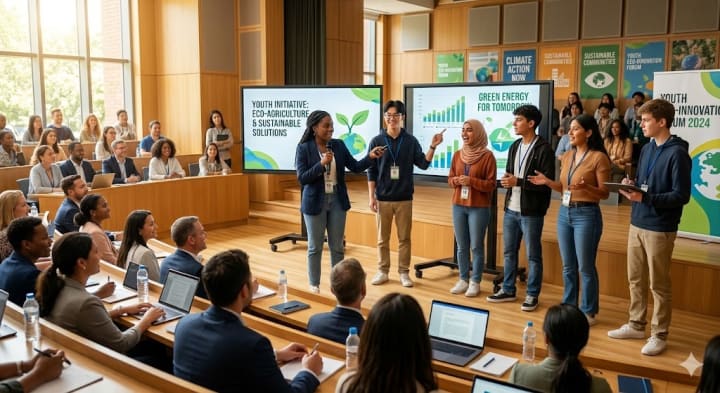
Fast-forward 10 to 15 years: picture hybrid classrooms where AI mentors personalize journeys while human teachers guide global collaborations on real climate solutions. Students in Tokyo partner live with peers in Lagos on green entrepreneurship projects, mindfulness breaks are routine, and every graduate steps confidently into roles blending technology with human ingenuity. This vision isn’t fantasy it’s within reach if we act now.
So, friends, education reform for the 21st century is urgent, achievable, and ours to shape. By fixing outdated structures, learning from global successes, centering equity, and empowering youth, we unlock potential for billions. Policymakers, educators, parents, and especially you let’s champion these changes locally. Advocate for better funding, support innovative teachers, and join youth-led efforts. What small step can you take today in your community? What kind of future-ready education do we owe the next generation? Your voice matters. Together, we don’t just prepare students for jobs we build a wiser, kinder, more connected world.
About the Creator
Arjun. S. Gaikwad
Curious mind exploring technology, society, and global change. I write on education, innovation, justice, and the future of humanity— blending science, philosophy, and real-world insights to spark awareness, critical thinking, and hope.
Keep reading
More stories from Arjun. S. Gaikwad and writers in Education and other communities.
When Universities Stop Being Temples of Knowledge The Rising Darkness Against the Indian Constitution
Once upon a time, the universities of India were sanctuaries of reason the very places where truth, science, and intellect met in harmony. Today, however, a dark cloud looms over these institutions. The poison of intolerance is seeping into young minds, and organizations like ABVP and similar ideological fronts are planting the seeds of hatred, violence, and religious fanaticism in spaces meant for dialogue and discovery.
By Arjun. S. Gaikwad5 months ago in Education
Why Artificial Intelligence Is Transforming the United Kingdom’s Digital Economy?
Artificial intelligence has emerged as one of the most influential technologies shaping the United Kingdom’s digital transformation. From finance and healthcare to retail and manufacturing, AI-driven systems are enhancing efficiency, decision-making, and customer experiences.
By deepanshu Thakur8 days ago in Education
Review of 'Man on the Run'
My wife and I saw Man on the Run, a nearly 2-hour documentary on Amazon Prime, about Wings, Paul McCartney's group that flew around the world from shortly after The Beatles broke up in early 1970 to shortly after John Lennon was murdered at the end of 1980, making a Beatles reunion forever impossible.
By Paul Levinson3 days ago in Beat



Comments
There are no comments for this story
Be the first to respond and start the conversation.